The Paradox of Plenty: Why Venezuela Has More Oil Than Saudi Arabia Yet Faced Economic Ruin
Venezuela Has More Oil Than Saudi Arabia. So How Did It Go Bankrupt, And What If It Returns?
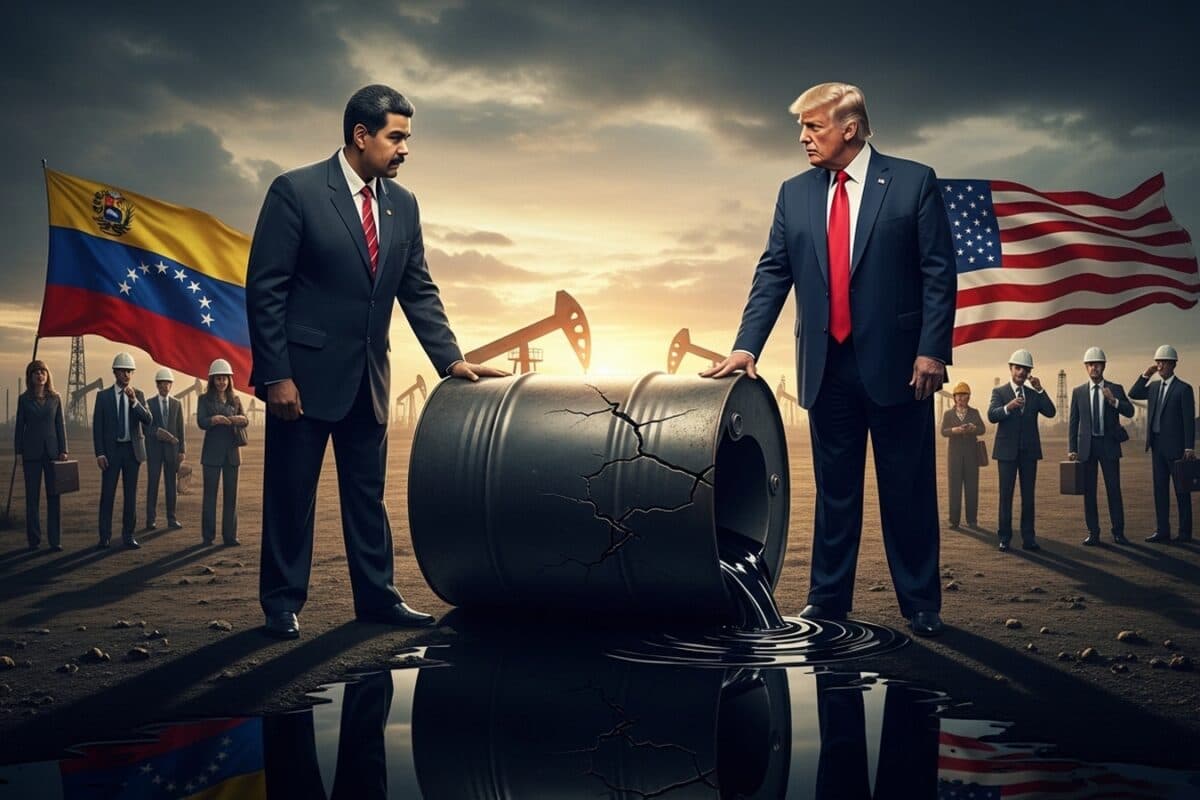
As Caracas pivots back toward global energy markets, the potential return of the world’s largest crude reserves threatens to upend international pricing and shift geopolitical alliances.
For decades, the global energy map has been defined by a striking contradiction: Venezuela possesses proven crude reserves exceeding 300 billion barrels, a figure that dwarfs the holdings of Saudi Arabia, Iran, and Russia. Yet, instead of serving as a bedrock for prosperity, this "oil jackpot" became the epicentre of a historic economic collapse. So how did it go bankrupt, and what if it returns to full production capacity? The answer lies in a volatile mix of internal mismanagement, hyperinflation that erased civilian savings, and a crumbling infrastructure that saw the country’s once-mighty industry nearly vanish.
A Legacy of Economic Volatility
Throughout the 20th century, oil wealth transformed Venezuela into one of the most affluent nations in Latin America, funding expansive public services and infrastructure. However, the reliance on a single commodity proved to be a structural weakness. When global prices fluctuated and internal policy shifts took hold, the "petrostate" model fractured. The resulting hyperinflation triggered a mass exodus of its population and a catastrophic decline in operational capacity, turning a nation that should have been among the world's richest into a cautionary tale of economic mismanagement.
The Global Energy Shift
The world is now watching closely as the Venezuelan oil sector shows signs of a slow, fragile recovery. Production levels have climbed to roughly 1.25 million barrels per day as of recent months, a significant uptick from the industry's nadir. This resurgence is not merely a local concern; it is a catalyst for global energy trade realignments. As major powers seek to diversify their supply chains—often moving away from heavily sanctioned or politically volatile regions—Caracas has found itself back in the crosshairs of international diplomacy.
What a Return Means for India and the World
If Venezuela successfully brings a larger fraction of its untapped reserves to the global market, the ripple effects could be profound. A surge in supply from the South American nation could exert downward pressure on global oil prices, providing much-needed relief to energy-importing economies, including India. Historically, Venezuela served as a vital supplier to the United States under specialized licensing agreements, but a return to the global fold would force a recalibration of current trade flows, particularly as nations like China continue to balance their own energy portfolios amidst rising uncertainties in the Middle East.
Geopolitics and Future Prospects
The question of whether Venezuela can reclaim its status as an energy superpower remains tied to its political trajectory. With global powers—and specifically the United States—shifting their attention to Caracas, the country is being positioned as a potential "energy superweapon." Whether this translates into long-term stability or another cycle of boom-and-bust depends on whether the nation can overcome the legacy of its collapse and modernize an industry that has suffered from years of underinvestment. For now, the global market remains in a state of watchful anticipation, waiting to see if the world’s largest oil reserve can finally become a source of sustained global supply.
The PoliticalPedia Editorial Desk brings verified, sourced political news and analysis from across India.