The Octagon: Egypt’s sprawling new military hub makes the Pentagon look modest
Bigger than the Pentagon? Egypt unveils 22,000-acre military command hub
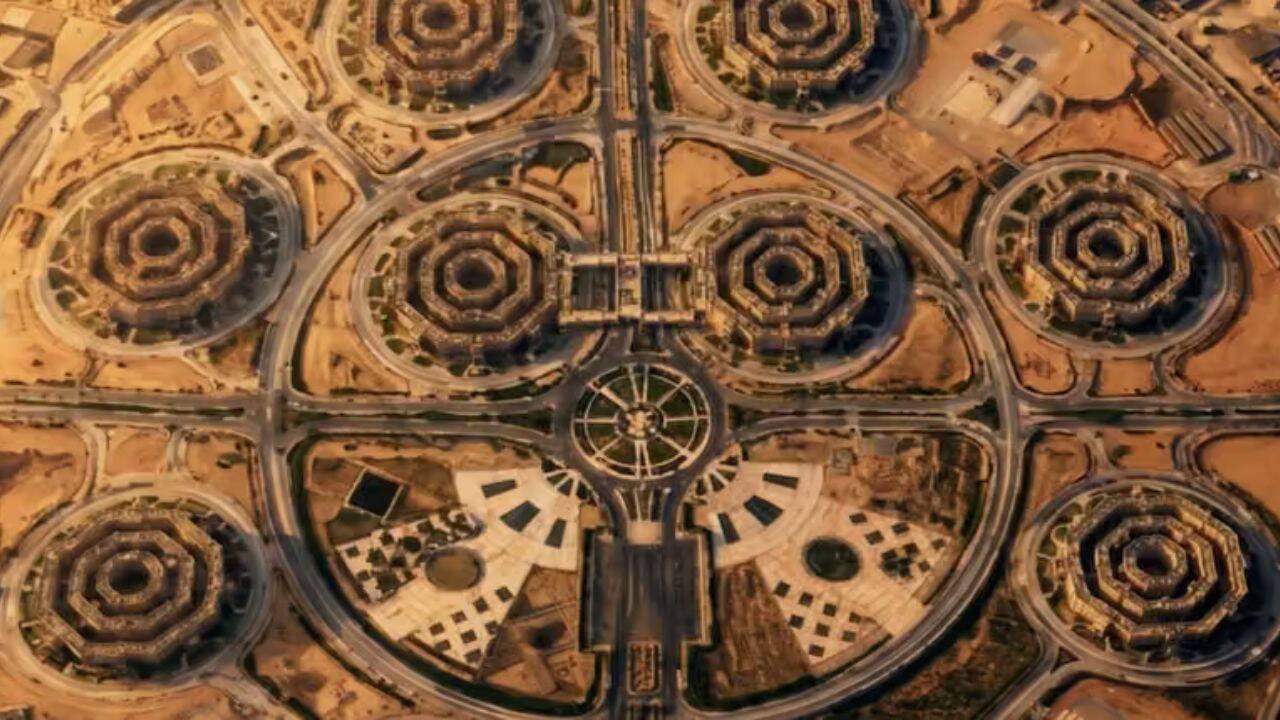
President Abdel Fattah El-Sisi’s latest mega-project in the New Administrative Capital signals a seismic shift in how Cairo centralises its defence and emergency response.
The desert sands east of Cairo have been transformed into a site of immense strategic weight. On July 4, President Abdel Fattah El-Sisi formally inaugurated what is arguably the most ambitious defence project in the Middle East: the State Strategic Command Headquarters, colloquially and structurally known as "The Octagon." Spanning a staggering 22,000 acres, this facility isn't just an office block; it is a self-contained administrative and defence city designed to consolidate the backbone of Egypt’s national security.
Built for a digital age
The architecture is as symbolic as it is functional. Eight interconnected octagonal buildings encircle two massive central command structures, representing a shift toward integrated, unified military command. While the scale and purpose have drawn inevitable comparisons to the Pentagon, the Egyptian facility is built with a modern mandate. It houses 13 integrated strategic and logistical zones, all wired for the future.
The core of the complex is its reliance on high-end C4I/AI systems—command, control, communications, and artificial intelligence. Officials state that these technologies allow for real-time data sharing across all branches of the armed forces, a critical upgrade for decision-making in an era where response times define the success of national security operations.
Why it matters
The inauguration of The Octagon is more than a building project; it is the physical manifestation of Egypt’s "New Administrative Capital" vision. By moving sovereign institutions away from the congestion of Cairo, the state is attempting to build a digital-first governance model. This headquarters is the most vital piece of that puzzle.
Crucially, the complex is designed to bridge the gap between military and civilian emergency management. In the event of national disasters or security crises, the facility serves as a central nervous system for the country, allowing the military to coordinate seamlessly with civilian government agencies. It reflects a trend seen in several regional powers: the blending of hard military power with national administrative resilience.
For observers of regional geopolitics, this is a clear signal. Egypt is moving to ensure that its military infrastructure is not just upgraded, but entirely reimagined for the complexities of modern warfare and domestic crisis management. The project signals a long-term commitment to centralising control, using technological integration as the primary tool to maintain a firm grip on national stability.
Priya Nair covers parties, elections and the business of power for PoliticalPedia.