Rajasthan’s Hidden Depths: The Architectural Enigma of Jal Mahal
Rajasthan’s underwater wonder: The fascinating history of Jal Mahal Palace
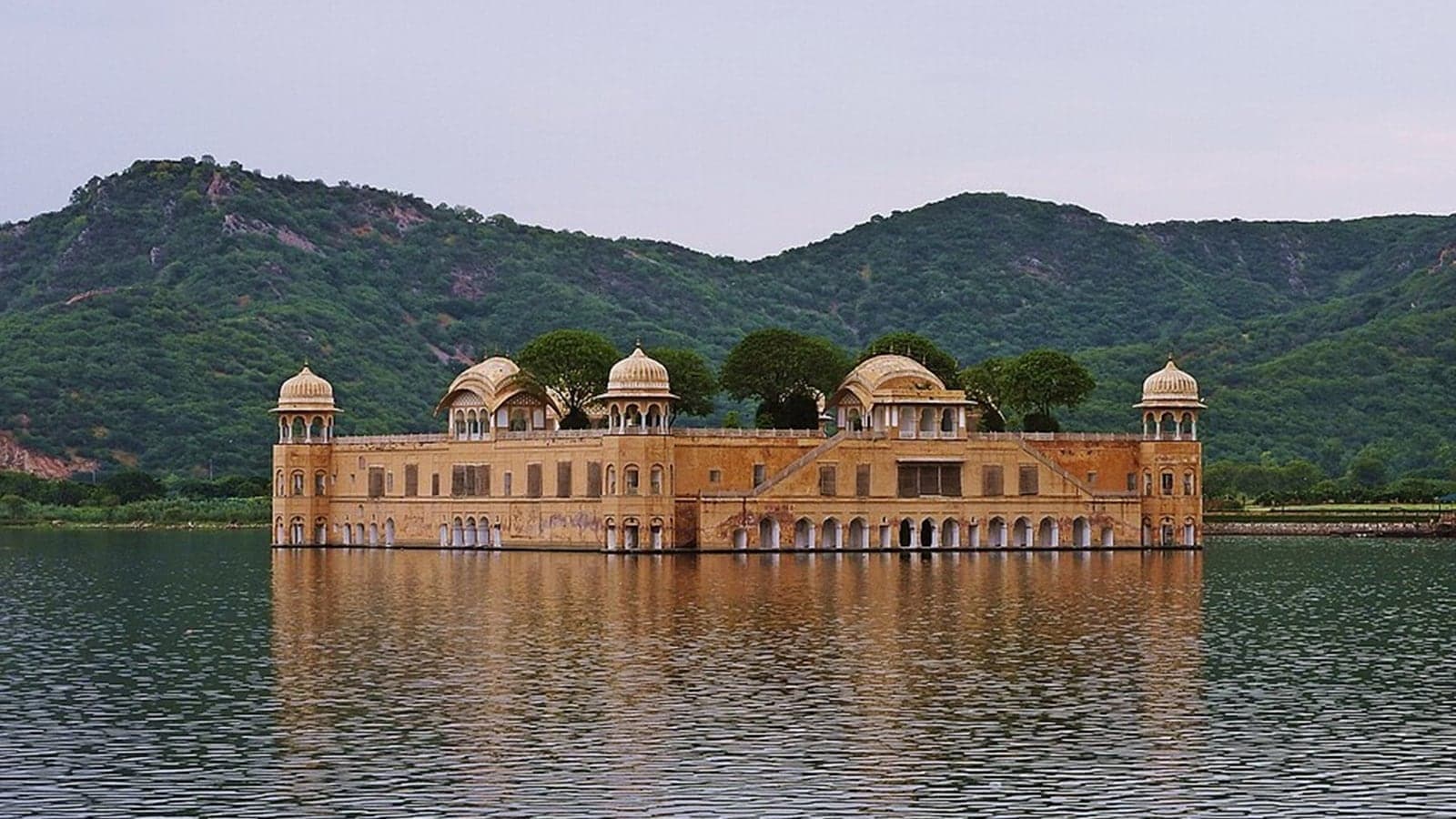
While tourists flock to Jaipur’s palaces, the floating Jal Mahal hides a secret: four of its five floors have been submerged beneath the Man Sagar Lake for centuries.
For most travelers passing through the bustling roads of Jaipur, the Jal Mahal—or "Water Palace"—appears as a lonely, elegant structure bobbing atop the Man Sagar Lake. It is a postcard-perfect image of the Pink City. Yet, the palace is not actually floating, nor is it a small pavilion. The reality is far more grounding: the structure is a five-story feat of engineering, where the bottom four levels have spent centuries underwater.
Built in 1699 and later renovated in 1745 by Maharaja Jai Singh II, the palace was designed to be partially submerged. This wasn't a mistake of history, but a deliberate architectural choice that allowed the royals to enjoy the cool, damp sanctuary during Rajasthan’s sweltering summers. When the lake is full, only the top floor remains visible, creating the illusion of a palace resting on the water’s surface.
A Tale of Two Palaces
It is easy to conflate the Jal Mahal with the Jai Mahal Palace, but they are distinct historical entities. While the former is the aquatic monument sitting in the middle of the lake, the Jai Mahal Palace is a sprawling 18-acre heritage hotel managed by the Taj Group. Once the residence of the three Prime Ministers of the princely state of Jaipur, it now offers 100 rooms and suites that blend royal history with modern hospitality.
For the modern traveler, the distinction is significant. One is a protected monument that defines the cultural identity of Rajasthan, while the other provides a gateway to experiencing that history from the comfort of a luxury estate. Both, however, anchor the city's reputation as a destination where the finest heritage meets contemporary travel.
Why it matters
The preservation of sites like the Jal Mahal says much about how we manage India's heritage. Beyond the aesthetic beauty, these structures reflect a sophisticated understanding of climate and geography. By integrating buildings with water bodies, the architects of 18th-century Rajasthan were practicing a form of "passive cooling" long before the term became a trend in modern sustainable design.
As urban expansion continues to press against the historical heart of Jaipur, the survival of these landmarks remains a balancing act. It is not just about maintaining stone walls; it is about protecting the water systems that make the buildings meaningful. When we look at these monuments, we aren't just seeing history; we are seeing a blueprint for how a city can live in harmony with its natural environment.
The Modern Experience
Today, the area surrounding these sites is a major hub for those seeking a mix of history and leisure. From the authentic royal Indian cuisine at Cinnamon to the quiet luxury of the heritage gardens, the region offers a sensory map of Rajasthan. Whether you are observing the Jal Mahal from the shore or staying at the nearby heritage properties, the city offers more than just a sightseeing checklist—it offers a look into how a kingdom once lived.
Features Desk at PoliticalPedia covers culture, tech & life for an Indian audience in English and Hindi.