The Middle East on Edge: How the Iran-Israel Conflict is Reshaping Global Diplomacy
Escalation In West Asia: Iran & Israel's Ongoing Conflict Threatens Regional Stability | Plain Speak
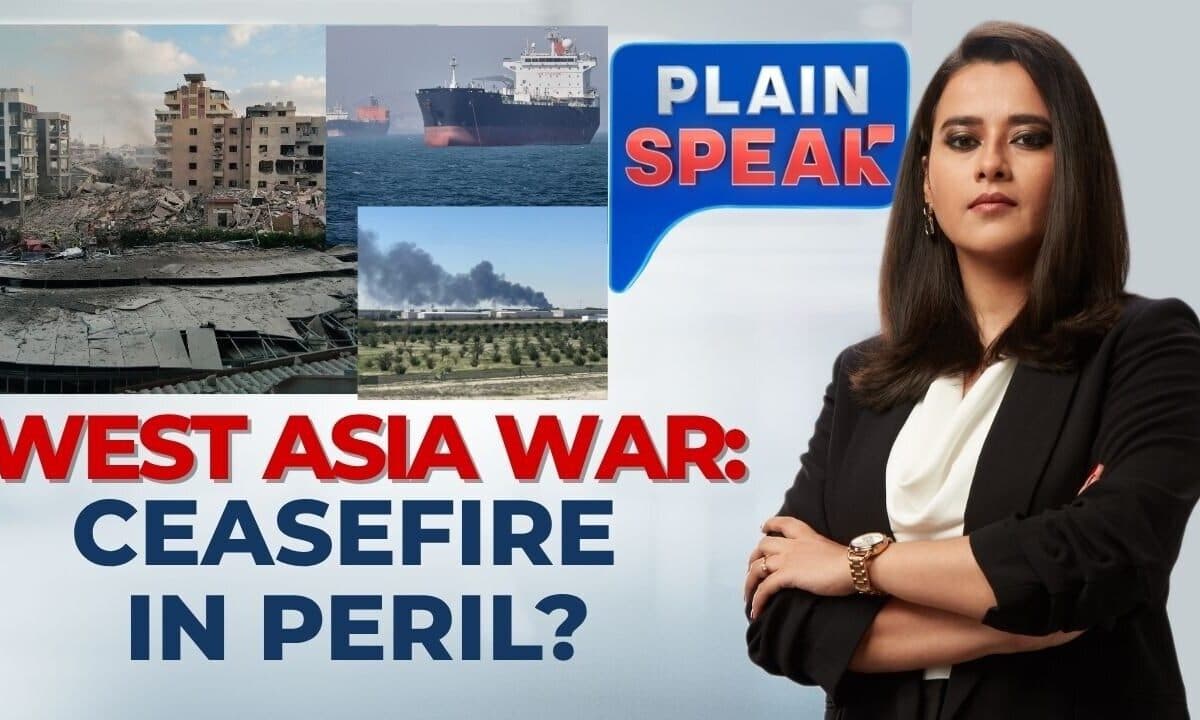
As the hostilities between Iran and Israel cross the 100-day mark, the ripple effects of the ongoing conflict threaten regional stability and force a recalibration of international alliances.
The situation in West Asia has shifted from a localized standoff to a volatile theatre of regional confrontation. With the conflict now entering its 100th day, the intensity of the fighting has spread, drawing in global powers and threatening the delicate balance of power. From the UN corridors in New York to diplomatic hubs in Riyadh, the consensus is clear: the current trajectory is unsustainable, and the risk of a wider conflagration has never been higher.
A Diplomatic Tightrope Walk
India has emerged as a key player in the effort to keep the lid on this powder keg. Prime Minister Narendra Modi has been in active dialogue with world leaders, while External Affairs Minister S. Jaishankar has held high-stakes conversations with his counterparts in Iran and Germany. New Delhi’s message remains consistent: the immediate cessation of hostilities is non-negotiable. During recent high-level calls, the focus has shifted toward the protection of critical infrastructure and the preservation of free shipping lanes, which remain the lifeblood of the global economy.
The international response, however, remains fractured. While the UN has lamented that strikes have squandered clear opportunities for diplomacy, other actors are weighing their own mediation strategies. In Riyadh, regional powers—including Saudi Arabia, the UAE, and Türkiye—are searching for a path toward de-escalation, even as the shadow of the Trump-Iran standoff adds another layer of unpredictability to the mix.
The Bigger Picture
Why does this matter beyond the immediate borders of West Asia? The escalation in West Asia is no longer just a regional security concern; it is a stress test for global supply chains and energy markets. When shipping lanes are threatened and critical infrastructure becomes a primary target, the impact is felt far beyond the Middle East. For a country like India, which relies on these regions for energy security and trade, the volatility is a direct challenge to economic stability.
The broader pattern here is the shift toward a multipolar vision where regional powers are increasingly assertive. Whether it is El-Sisi’s strategic alignment or the growing missile ranges that have Europe questioning its own security architecture, the conflict is forcing every nation to choose between proactive diplomacy and the dangers of isolation. As we watch these developments, the priority for the international community remains clear: prevent a regional spillover before the cost of inaction becomes too high to reverse.
Features Desk at PoliticalPedia covers culture, tech & life for an Indian audience in English and Hindi.