Fragile Peace Under Fire: How Lebanon Flare-up Pushed Iran and Israel to the Brink
How Lebanon flare-up threatened truce as Iran-Israel traded strikes: Explained
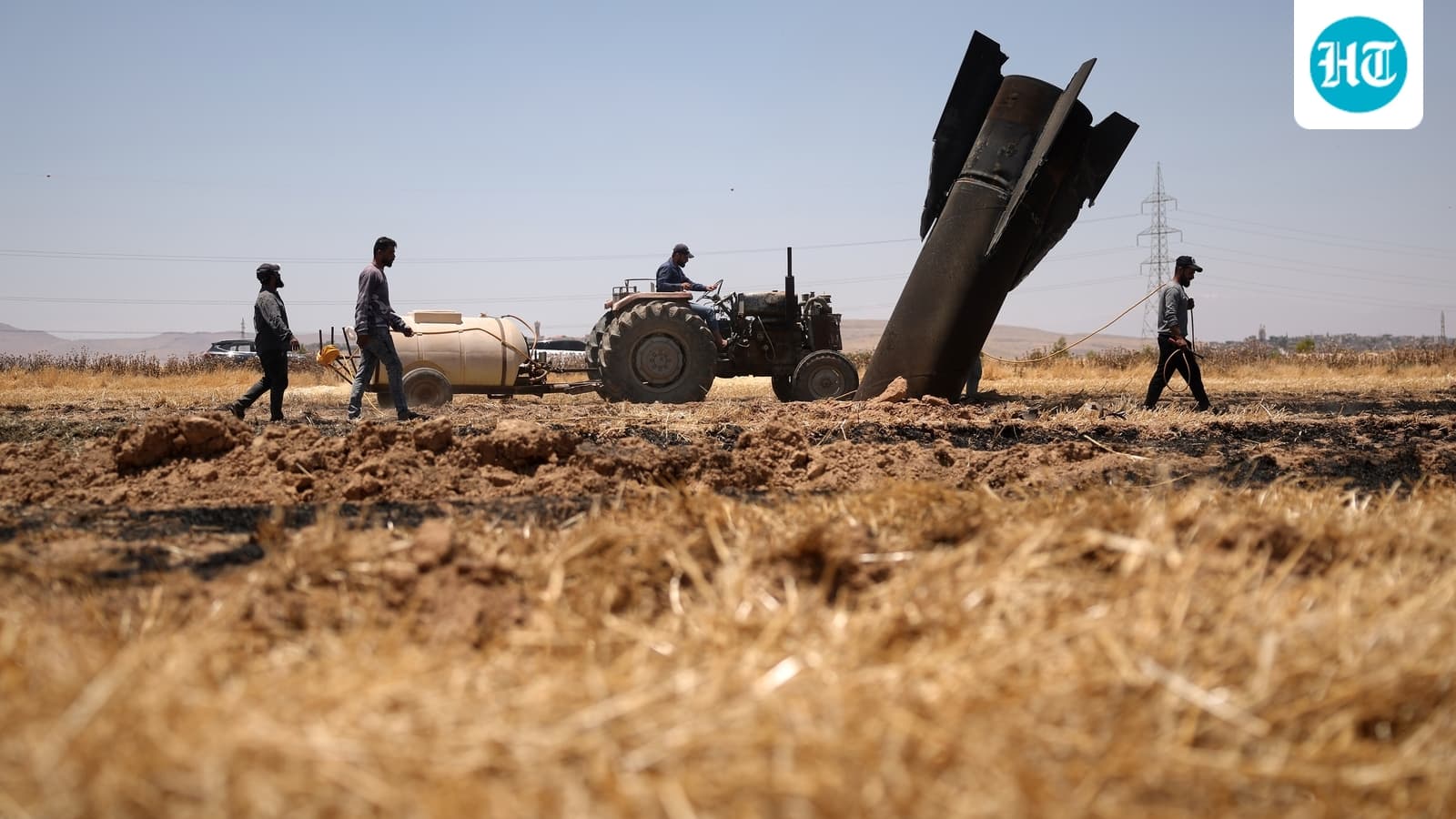
A sudden exchange of strikes between Tehran and Tel Aviv has left the April ceasefire in tatters, raising fresh alarms across global markets as the West Asia conflict widens.
The fragile calm that settled over West Asia following the April ceasefire between the US and Iran evaporated in a matter of hours this Monday. What began as a localized escalation in Lebanon rapidly spiraled into a direct military confrontation between Iran and Israel, with explosions reported across major Iranian hubs including Tehran, Isfahan, Karaj, and Tabriz. The sudden outbreak of hostilities, which saw Iranian Revolutionary Guards targeting Israeli military bases, has once again brought the region to the edge of a full-scale war.
The primary trigger for this volatile chain of events was an Israeli strike on the southern suburbs of Beirut. Tehran, viewing this as a red line, retaliated against Israel, prompting a swift and forceful response. The situation reached such a fever pitch that Iranian authorities were forced to close the airspace around Tehran’s Imam Khomeini International Airport, while Israeli air defense systems worked overtime to intercept incoming projectiles.
The Diplomatic Backchannel
The rapid de-escalation that followed—with Iran declaring a halt to offensive operations and Israel purportedly pausing its strikes at the request of US President Donald Trump—speaks to the high-stakes shadow diplomacy currently underway. Despite the cessation, the situation remains precarious. Reports from Hindustan Times and other outlets indicate that while the direct Iran-Israel exchange may have cooled, Israeli officials have signaled that their military operations in southern Lebanon will continue at full strength in the coming days.
For Tehran, the escalation was never just about local borders. Iranian foreign ministry spokesperson Esmail Baghaei has publicly blamed the United States for the latest round of violence, arguing that no such Israeli action occurs without coordination with Washington. This sentiment complicates the ongoing, behind-the-scenes peace negotiations between Tehran and the White House, which now appear to be hanging by a thread.
The Bigger Picture: Why It Matters
From a macroeconomic perspective, the recurrence of hostilities in West Asia acts as an immediate pressure cooker for global stability. While the markets—often represented by indices like the Nasdaq—frequently look for signs of geopolitical predictability to sustain growth, this latest flare-up highlights the unpredictable nature of the current peace process. Investors remain wary, as any prolonged conflict in the region threatens energy supply chains and shipping routes, potentially triggering inflationary shocks far beyond the immediate geography of the Levant.
The pattern here is clear: the April ceasefire was a thin veneer over deep-seated structural tensions. As long as the conflict in Lebanon remains unresolved, the risk of a "tit-for-tat" escalation between regional powers remains high. For global observers, the takeaway is that the "peace deal" currently being negotiated is subject to the whims of daily skirmishes. Until there is a long-term resolution to the Lebanon crisis, the regional economy will continue to operate on a knife’s edge, with both Iran and Israel maintaining a high state of military readiness.
Business Desk at PoliticalPedia covers economy & markets for an Indian audience in English and Hindi.