The Kuno Crisis: Why India’s Ambitious Cheetah Project is Failing Its Wildlife
कूनो में चीतों की मौत का सिलसिला जारी, अब तक 23 चीते और शावक गंवा चुके हैं जान
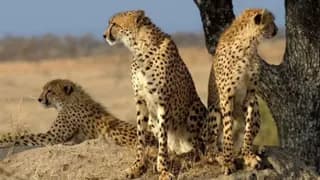
Despite a state-of-the-art medical facility and round-the-clock surveillance, 23 cheetahs have perished in Madhya Pradesh, sparking urgent questions about the viability of the project.
The silence in Kuno National Park is increasingly heavy. When the first cheetahs arrived in India, it was hailed as a historic milestone for conservation. Today, that optimism has been replaced by a grim tally: 23 cheetahs and cubs have lost their lives in the last three and a half years. Despite the presence of a high-tech wildlife hospital, the facility has struggled to act as a safety net, failing to save most animals brought in after suffering injuries or illness.
The Gap Between Tech and Survival
The infrastructure at Kuno was designed to be world-class. The wildlife medical setup includes mobile ICUs, digital X-ray machines, and emergency drip facilities for dehydrated or infected cats. Management claims to have a direct line to international experts, including Dr. Laurie Marker of the Cheetah Conservation Fund, and researchers from Dehradun are supposedly always in the loop. Yet, the statistics tell a different story. Beyond the successful recovery of a single cub, the hospital has largely been unable to turn the tide for those in critical condition.
Surveillance vs. Reality
Multiple outlets are reporting this ongoing crisis, and the pattern of response remains a point of contention. While officials point to GPS collars, drone surveillance, and CCTV coverage as proof of "high-tech" monitoring, the ground reality suggests a disconnect. In several documented instances—such as the deaths of Daksha during a mating encounter or Tejas following a territorial conflict—the field teams were reportedly alerted to the animals' dire condition only after the damage was already done. The lag between a fatal incident and the arrival of medical aid is becoming a recurring theme across the press.
Why it Matters
This isn't just about the loss of individual animals; it is a critical test of India's capacity to manage a complex reintroduction program. The reliance on high-tech gear cannot replace the need for real-time, responsive field management. If the project is to survive, the authorities must move beyond the "high-tech" narrative and address the operational bottlenecks that prevent them from intervening before an injury becomes fatal. As the death toll climbs, the project risks shifting from a symbol of national pride to a cautionary tale about the limitations of managed conservation.
Patterns in the Press
When looking at headlines across the press, from major news networks to local reports, the narrative has shifted from celebrating "Project Cheetah" to questioning the oversight. While the government maintains that international consultation and medical protocols are being followed, the results highlight a systemic failure. Whether it is the inability to prevent territorial clashes or the slow response to infections, the project now faces a credibility deficit that requires more than just better hospital equipment—it requires a complete overhaul of its field-level strategy.
Politics Desk at PoliticalPedia covers parties & elections for an Indian audience in English and Hindi.