From a Cricket Pitch to the Operating Table: How Modern Medicine is Changing the Brain Tumour Narrative
Diagnosed with brain tumour at 38, he returned to cricket, work and normal life
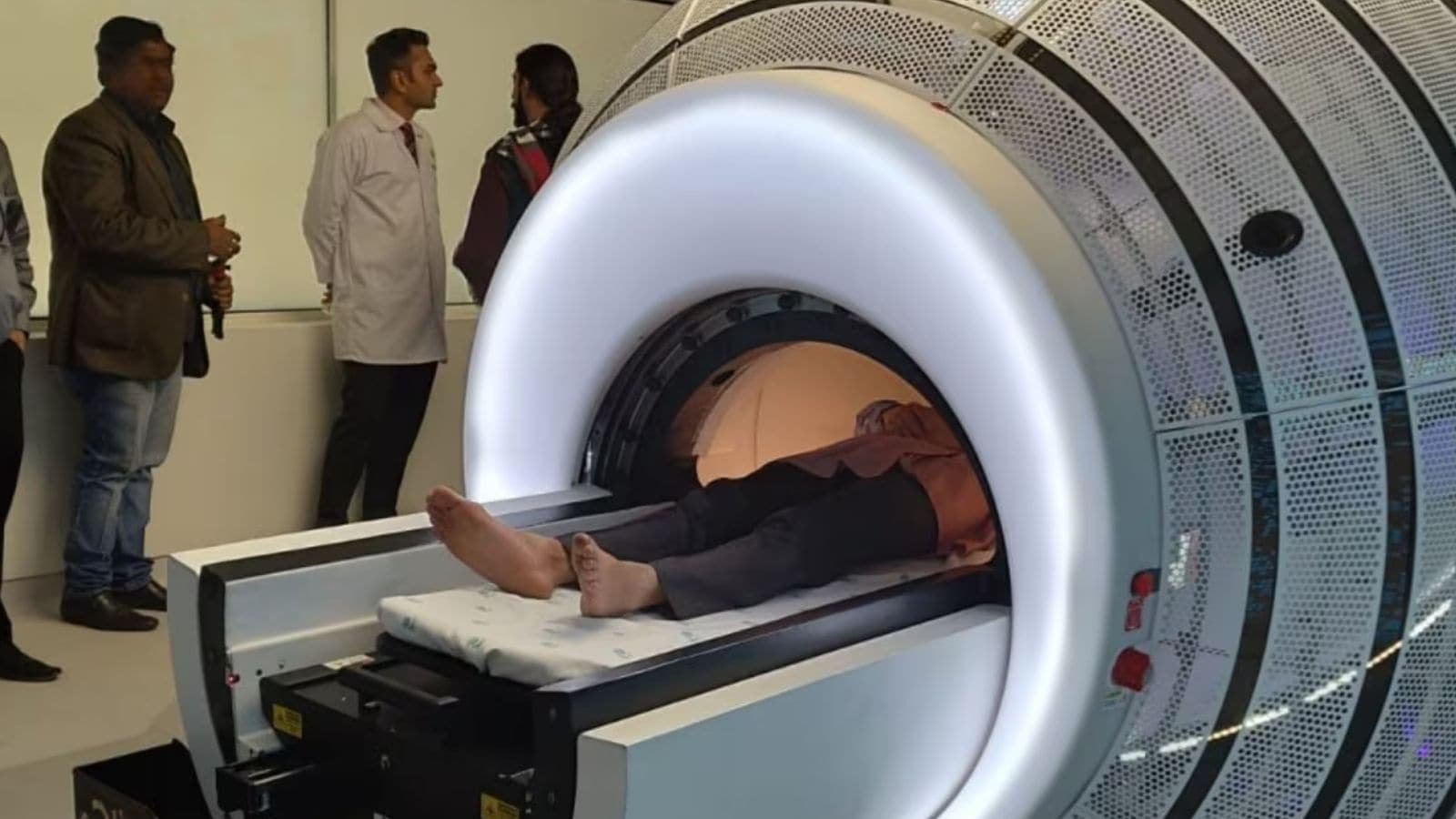
For Amit Mehra, a routine sport turned into a life-altering medical crisis, offering a window into how advancements in neuro-oncology are helping patients return to their professional and personal lives.
The numbness in Amit Mehra’s left hand felt like a minor inconvenience—a fleeting sensation he dismissed as the result of a bad sleeping position or the physical toll of a weekend cricket match. For a 38-year-old chartered accountant who prided himself on a clean lifestyle, regular fitness, and no history of chronic ailments like hypertension or diabetes, the symptoms were easy to ignore. It wasn't until the episodes became repetitive that he sought medical advice, leading to a diagnosis that would shatter his world: a brain tumour located in the eloquent cortex, the region governing movement and sensation.
A Growing Medical Challenge in India
Mehra’s case is reflective of a wider trend in the country. With an estimated incidence of 30 cases per 100,000 population, Central Nervous System (CNS) tumours are a significant public health concern. While roughly two-thirds of these cases are benign, the remaining 30% to 35% are malignant. Historically, such a diagnosis often carried a grim prognosis, but the narrative is shifting. Mehra’s successful return to his firm, complete with a promotion and a return to his beloved cricket, highlights the efficacy of modern interventions like precision neurosurgery, advanced imaging, and molecular testing.
Why it matters
The broader shift in oncology is moving away from purely survival-based metrics toward a focus on the quality of life. For the corporate sector and the Indian workforce, this is crucial; as diagnostic tools become more sophisticated, early detection is no longer just about preventing mortality, but about ensuring that individuals like Mehra can continue to contribute meaningfully to their professional and family lives. The medical community’s ability to treat critical brain regions without long-term incapacitation is transforming a devastating diagnosis into a manageable health condition.
Navigating the Recovery
What Mehra initially perceived as simple fatigue was actually a series of focal motor seizures triggered by the tumour’s pressure on his brain. Eight years post-surgery, the success of his treatment is evident. His reliance on medication has plummeted, and he has regained the ability to balance a demanding career with personal downtime. His journey is emblematic of how many patients, when diagnosed early and treated with modern precision tools, are successfully reclaiming their "normal."
While the emotional toll of such a diagnosis remains profound—as seen in global reports where patients describe the final chapters of their lives with unexpected clarity and peace—the clinical outcome for many remains one of recovery. For the Indian healthcare landscape, the challenge lies in increasing awareness so that symptoms like Mehra’s—however generic they may seem—are treated with the clinical urgency they deserve. The future of brain tumour care is increasingly optimistic, provided the gap between symptom and scan is bridged early.
Business Desk at PoliticalPedia covers economy & markets for an Indian audience in English and Hindi.