The Kolkata Power Shift: Firhad Hakim’s Resignation and the Cracks in TMC
TMC In Turmoil? Firhad Hakim Meets Ritabrata Banerjee | Another Big Exit From Mamata Banerjee's Side
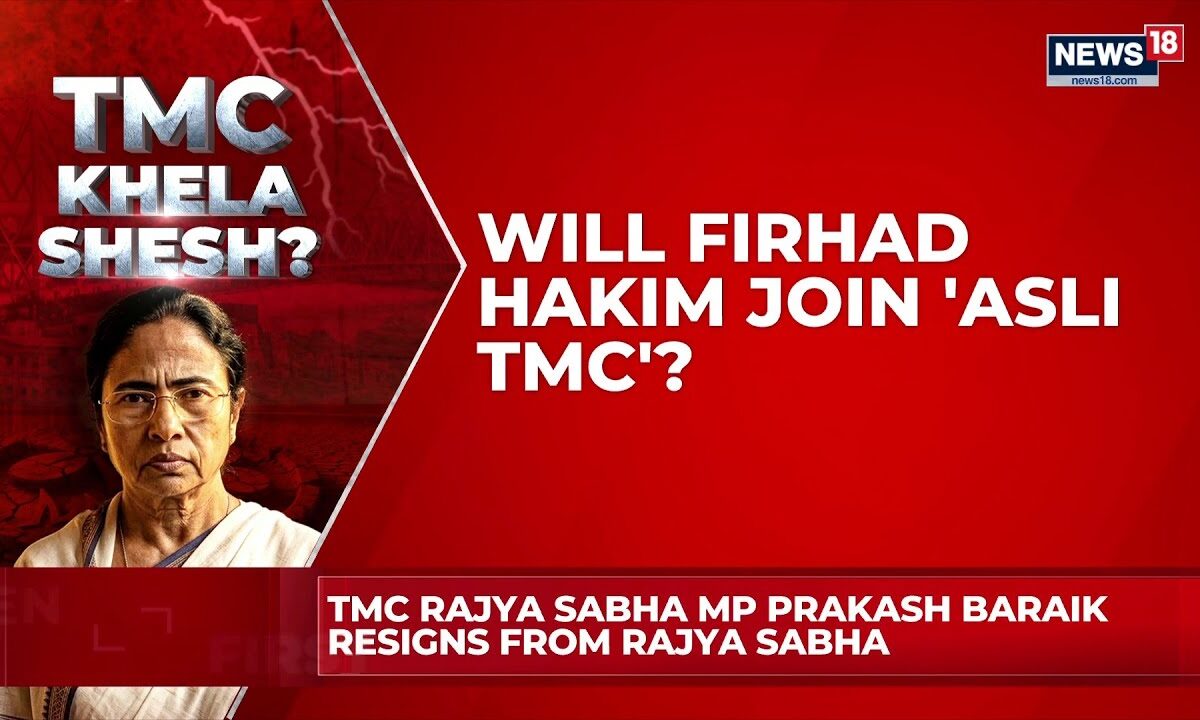
As Firhad Hakim steps down as mayor, the widening rift within the Trinamool Congress signals a precarious moment for Mamata Banerjee’s leadership.
The corridors of power in Kolkata are rarely quiet, but the current atmosphere inside the Trinamool Congress (TMC) feels distinctly different. The resignation of Firhad Hakim as the mayor of the Kolkata Municipal Corporation has sent shockwaves through the party hierarchy. While the official line from the party suggests this was a transition sanctioned by Mamata Banerjee herself, the timing—occurring amidst a wave of desertions and dwindling attendance at key meetings—tells a story of a party grappling with an existential crisis.
The Meeting That Fueled Speculation
Observers were quick to note a significant meeting between Hakim and rebel MLA Ritabrata Banerjee. This encounter, occurring just as the tmc in turmoil narrative began to dominate political discourse, has become the focal point of the current unrest. For a party that has historically relied on iron-clad internal loyalty, the sight of firhad hakim meets ritabrata signals that the lines of communication are no longer contained within the inner sanctum of Kalighat.
The disquiet reached a boiling point during a recent party meeting where only eight MLAs were present, a startling drop in numbers that has led to questions about mamata banerjee's ability to maintain her grip on the party apparatus. This exodus, featuring names from Sushmita Dev to other long-term veterans, suggests that the "big exit from the side" of the TMC is no longer a trickle, but a trend that the party is struggling to stem.
The Bigger Picture: Why It Matters
Political history in West Bengal suggests that once a party loses its aura of invincibility, the decline is often swift. The current instability is not merely about individual resignations; it is about the erosion of the TMC’s structural integrity. When a close lieutenant like Hakim steps down, it creates a vacuum that invites further speculation and instability. Whether this leads to a total disintegration or a tactical reorganisation remains the central question for political analysts watching the state.
The pattern of defections, coupled with ED summons reaching the upper echelons of the party leadership—including Abhishek Banerjee—has created a "siege mentality." For the TMC, the challenge is twofold: they must manage the optics of a party in flux while simultaneously fighting to keep their remaining MLAs from looking toward the exit. In the volatile landscape of Bengal politics, the next few weeks will likely determine if this is a temporary setback or the beginning of a long-term electoral sunset.
Kabir Sharma writes on culture, technology and everyday life for PoliticalPedia.