The Heat, The Pump, And The Grocery Bill: Why India’s Inflation Is Creeping Back Up
India inflation likely rose to 4% in May as food, fuel costs climb
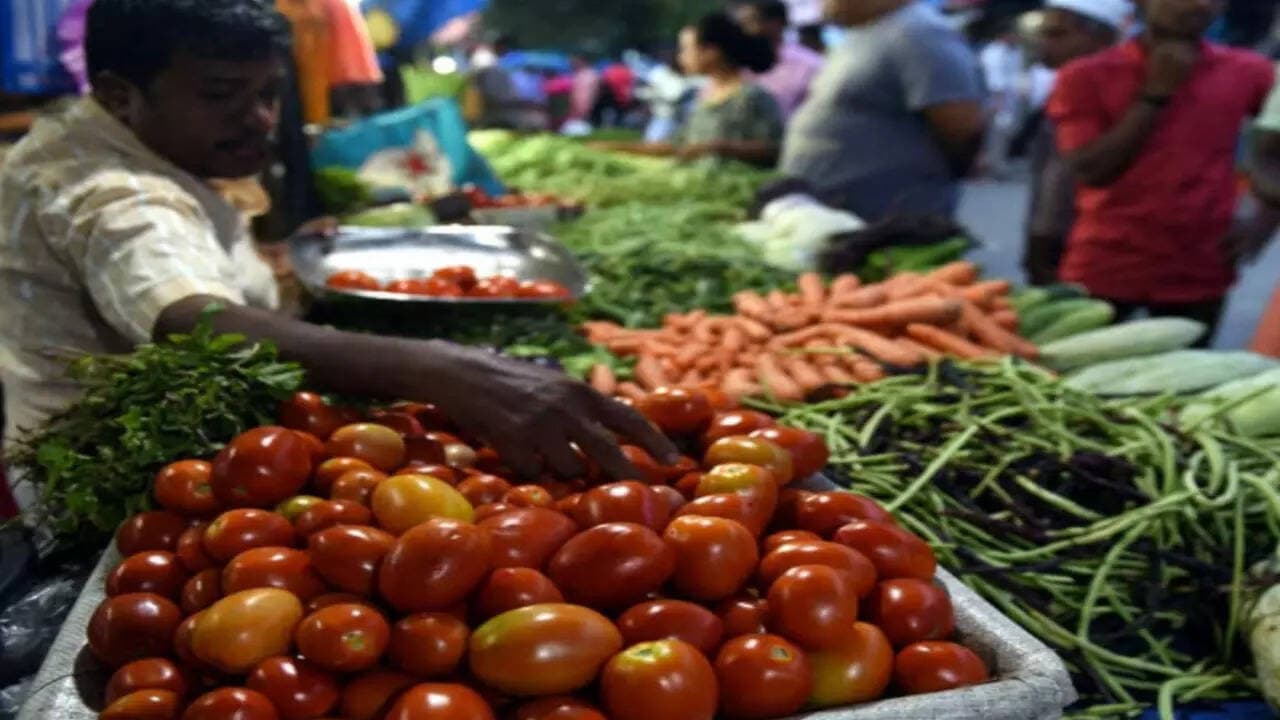
After a year of relative calm, retail prices are tightening their grip as scorching temperatures and global volatility hit household budgets.
For fifteen straight months, Indian households enjoyed a rare period of relative price stability, with inflation playing nicely within the Reserve Bank of India’s (RBI) comfort zone. But as we step out of May, that streak is showing cracks. If you’ve felt a sharper pinch at the vegetable market or a deeper dent in your wallet after a trip to the petrol pump, you aren't imagining it. Economists now suggest that inflation likely climbed to 4% in May, a notable jump from the 3.48% recorded in April.
The Perfect Storm: Heat and Fuel
The surge isn't caused by a single factor, but rather a collision of two major pressures: the blistering heatwave and the rising cost of energy. As temperatures soared across the country, vegetable supplies took a direct hit, pushing prices upward. When you add the fact that state-owned retailers hiked fuel prices four times during the month, the math for the average consumer gets grim. Transport costs, which were essentially flat in April, have suddenly become a significant contributor to the monthly inflation spike.
This isn't just about what you pay at the local kirana store. The global fallout from the war involving Iran has kept fuel markets volatile, and that instability is now trickling down into the Indian economy. When the cost of moving goods rises, every link in the supply chain adds a premium, and ultimately, that cost lands squarely on your grocery bill.
The Wholesale Warning
While retail prices are catching our attention, the real warning signs have been flashing in the wholesale sector for weeks. Wholesale inflation recently hit a 3-1/2-year high of 8.3%, and experts predict it could climb even higher to roughly 9% for May. Historically, when wholesale prices surge, they eventually seep into retail markets. This suggests that the 4% figure we are seeing now may not be a one-off anomaly, but the start of a more persistent trend.
Why It Matters: The Bigger Picture
For the RBI, this is a delicate balancing act. While economic growth remains robust, the central bank has revised its inflation forecasts for the fiscal year upward to 5.1%. The challenge is that central bankers are not just watching current numbers; they are monitoring "second-round effects"—where higher fuel and food costs start changing how businesses set wages and prices for the long term.
As of now, the RBI has kept interest rates steady, betting that the current pressures might stabilize. However, if these costs continue to harden, the conversation in the boardroom may shift from "wait and watch" to a more aggressive pivot. For the common person, the message is clear: the era of cooling inflation has hit a roadblock, and the next few months will depend on whether supply chains can recover from the summer heat and global fuel shocks.
Features Desk at PoliticalPedia covers culture, tech & life for an Indian audience in English and Hindi.