The Great Political Shuffle: How India’s State Leadership is Undergoing a Massive Transformation
Shivraj Singh Chouhan to Vasundhara Raje, Naveen Patnaik to Mamata Banerjee: Shifting sands of state leadership in recent years
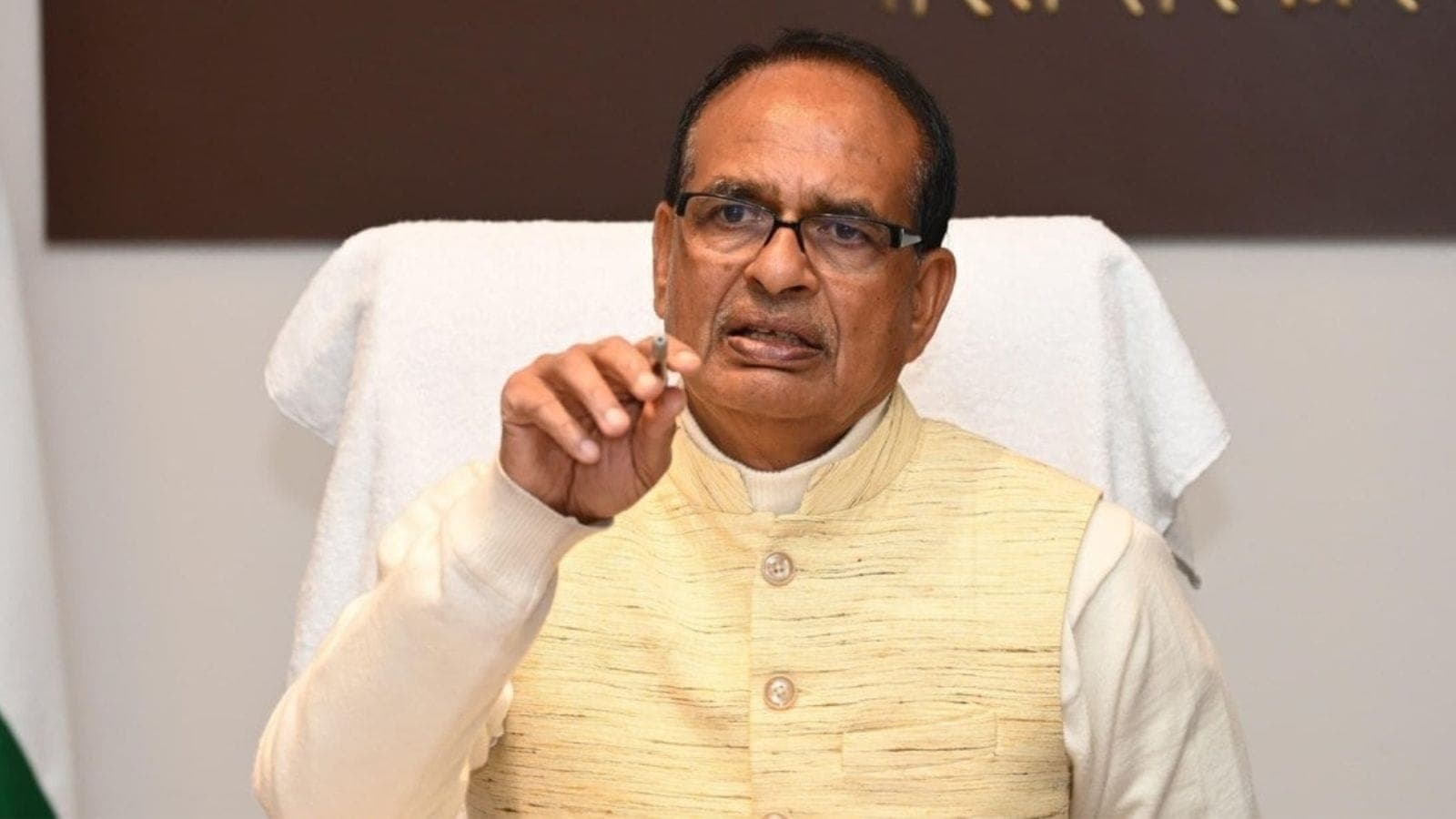
From the decline of regional titans to the strategic repositioning of national parties, the familiar faces of Indian state politics are being rapidly replaced.
The bedrock of Indian politics, once defined by long-standing regional satraps and immovable chief ministers, is currently witnessing a period of unprecedented flux. In the last few years, the political map has undergone significant shifting, with states that were once synonymous with specific, long-serving leaders now seeing fresh faces at the helm. From the corridors of power in Madhya Pradesh to the electoral battlegrounds of Odisha and West Bengal, the narrative of state leadership has moved into a new, volatile chapter.
The Strategy of Disruption
Within the Bharatiya Janata Party (BJP), the recent churn is largely a product of internal recalibration. By phasing out veterans like Shivraj Singh Chouhan in Madhya Pradesh and Vasundhara Raje in Rajasthan, the party high command has signaled a clear intent to dismantle entrenched power centers. According to party insiders, this strategy serves a dual purpose: it prevents the formation of regional power bases that might operate independently of the central leadership and ensures that no individual becomes larger than the organizational structure. This proactive reshuffling aims to keep state-level units agile and perpetually focused on the party’s broader national agenda.
Electoral Realities and Changing Demographics
While the BJP’s changes are often top-down, other transformations are being driven by the raw reality of the ballot box. In Eastern and North-Eastern India, the political landscape is tilting away from traditional regional hegemony. Leaders like Mamata Banerjee in West Bengal, who once seemed politically untouchable, are now facing the pressures of a changing electorate influenced by national debates over migration and security. Similarly, the departure of long-term stalwarts like Naveen Patnaik in Odisha marks the end of an era, reflecting a broader trend where historical electoral comfort zones are proving increasingly fragile.
The Opposition’s Own Balancing Act
The trend is not exclusive to the ruling party. Even within the Congress and its allies, the pressure to refresh leadership has led to significant maneuvers. In Karnataka, for example, the transition away from Siddaramaiah illustrates how even major opposition strongholds are experimenting with new faces to counter the evolving political climate. While D K Shivakumar has emerged as a formidable successor, these transitions highlight that no state leadership remains truly permanent in the current political environment, regardless of the party in power.
Why This Matters
This period of shifting leadership is critical because it fundamentally alters the federal relationship between the Centre and the states. As regional satraps—who often served as powerful buffers or formidable negotiators—are replaced by a new generation of leaders, the dynamics of political consensus are likely to change. The era of the "unshakeable" regional leader is fading, replaced by a more dynamic, albeit less stable, form of political representation that prioritizes party cohesion and electoral adaptability over legacy, fundamentally reshaping the governing structure of the country.
The PoliticalPedia Editorial Desk brings verified, sourced political news and analysis from across India.