The Great American Unwinding: Millions Lose Obamacare Coverage as Subsidies Vanish
Millions drop Obamacare after Trump-backed subsidy rollback sends premiums soaring
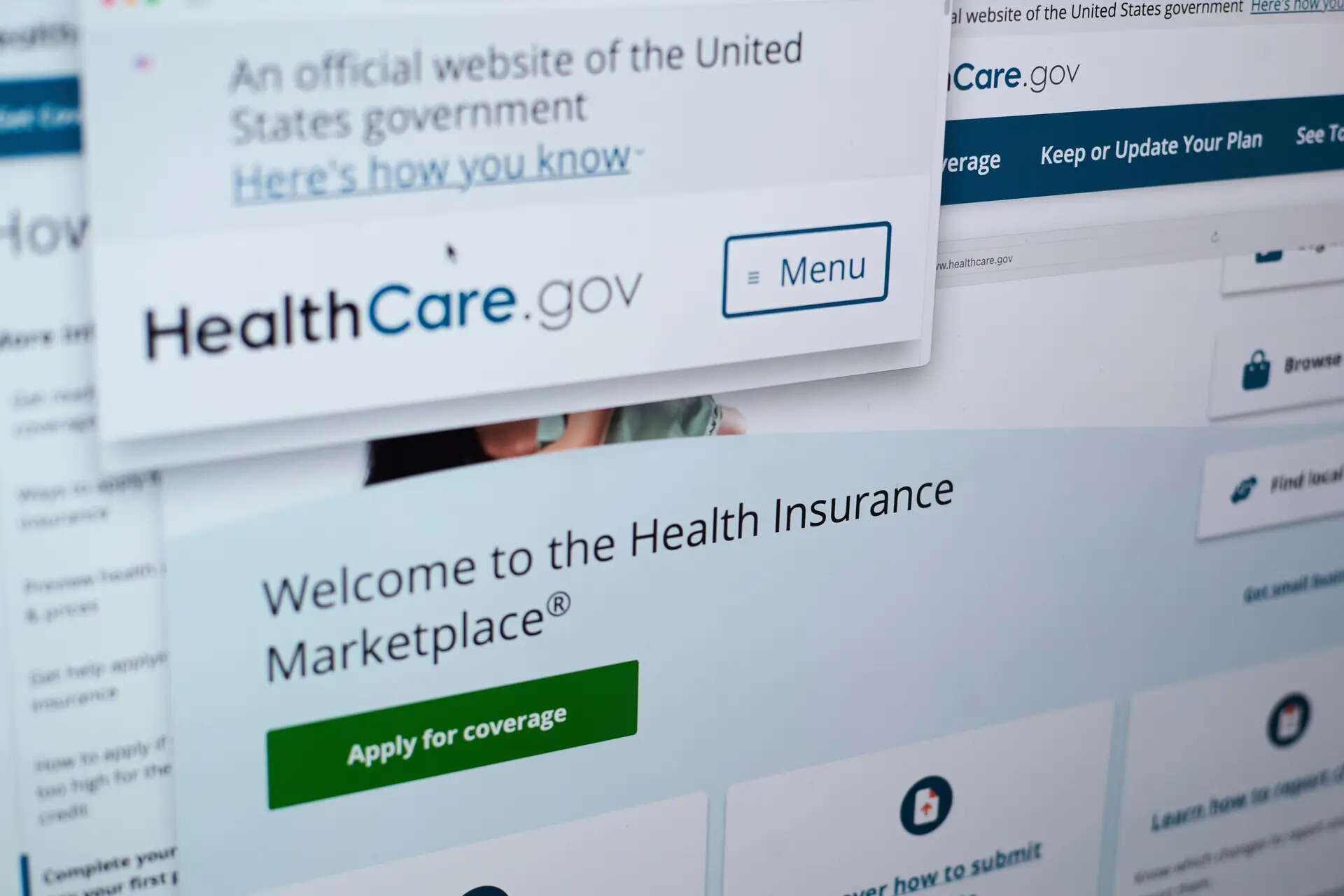
As federal support for health insurance expires, the US healthcare landscape faces a massive exodus of enrollees struggling with surging premium costs.
The quiet, suburban waiting rooms across the United States are bracing for a different kind of crisis this year. For five million Americans, the start of 2026 has been marked not by new health resolutions, but by the painful decision to drop their insurance altogether. New data from the US Department of Health and Human Services (HHS) confirms a stark reality: enrollment in Affordable Care Act (ACA) marketplace plans has slumped to 19.2 million, a significant drop from the record 24.2 million seen just a year prior.
This contraction follows the expiration of enhanced tax credits—financial lifelines introduced during the Covid-19 pandemic to keep insurance premiums artificially low. When President Donald Trump and the Republican-led Congress opted not to renew these subsidies, the immediate fallout was a sharp, often double or triple-digit spike in monthly premiums for millions of families. While Democrats fought to extend the funding, even threatening a government shutdown in late 2025 to force a compromise, the political math ultimately shifted against the programme.
The Cost of the Shift
The transition has been jarring. For many households, the math simply stopped working. Health policy experts, including Cynthia Cox of KFF, have pushed back against the Trump administration’s assertion that the decline in enrollment is merely a win against fraud. While the White House maintains that their efforts to tighten eligibility were necessary to clear out improper enrollments, data suggests a more direct correlation: when the government stopped footing the bill for the enhanced subsidies, the cost burden landed squarely on the consumer, pushing millions out of the market.
Beyond the raw numbers, the human cost is beginning to surface. Reports suggest that families could see deductibles climb as high as $31,000 for some plans, effectively rendering insurance useless for day-to-day medical needs. For an average American family, these costs are becoming unsustainable, leading to a landscape where health coverage is becoming a luxury rather than a standard expectation.
The Bigger Picture
Why does this matter? The US experience offers a cautionary tale for any nation grappling with the balance between public health mandates and fiscal austerity. When a government shifts the financial responsibility of healthcare back to the individual, the immediate impact is a shrinking of the risk pool. As millions exit the system, those who remain may face even higher premiums, as the insurance market becomes less balanced.
For observers watching from India, the American struggle highlights the fragility of health schemes that rely heavily on temporary budgetary injections. It underscores the difficulty of maintaining universal-style coverage in a system where healthcare costs are not strictly regulated. As the political battle over the ACA continues to simmer in Washington, the real-world consequence is a population increasingly exposed to the volatility of market-driven health insurance, potentially reversing years of progress in expanding coverage.
Ananya Iyer covers global affairs with an Indian lens for PoliticalPedia.