The 'Football Club' Theory: Why Mani Shankar Aiyar’s 28-Year-Old Joke Still Defines Bengal’s Politics
Opinion: Opinion | 'Football Club': The MS Aiyar 'Joke' That Diagnosed TMC's Problem 28 Years Back
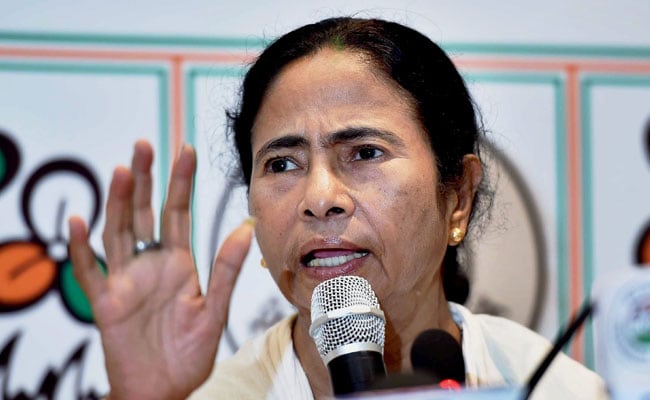
A long-forgotten quip from the late nineties offers a sharper window into the current Trinamool Congress crisis than any formal political analysis.
In the dying months of 1998, Mani Shankar Aiyar made a brief, curious foray into the Trinamool Congress. He didn’t stay long, but he left behind an observation that has aged with unsettling precision. Reflecting on his departure, Aiyar famously remarked to veteran journalist Rasheed Kidwai that he hadn't realized the Trinamool was essentially the "fourth football club of Bengal"—trailing only the storied trio of Mohun Bagan, Mohammedan Sporting, and East Bengal.
This wasn't just a biting joke; it was a diagnosis. For nearly three decades, this "football club" culture has been the bedrock of the party’s identity. Unlike the Congress or the BJP, which traditionally operate on structures of ideology or organizational hierarchy, the Trinamool was built on something far more primal: an emotion. It was a rallying cry for the disgruntled, a vehicle for anti-Left resentment, and a theatre for street-level defiance.
The Operating System of Bengal
For years, this model was spectacularly effective. Mamata Banerjee didn't just lead a party; she curated an atmosphere. Her cadres functioned less like political functionaries and more like club supporters, driven by a fierce, visceral loyalty that valued team colors over cold, rational debate. This "football logic"—where the primary goal is to win for the team regardless of the rules of the game—propelled the TMC to dismantle 34 years of Left rule and cement its status as the state’s dominant "operating system."
Yet, the very strength that allowed the party to capture the imagination of Bengal is now proving to be its structural undoing. As the party grapples with internal mutinies and a distinct "anti-bhaipo" sentiment, the cracks are widening. When an organization is built on the volatile energy of a fan club rather than the steady foundations of a constitutional party, it remains exceptionally vulnerable to the sudden, cooling realization that the game might be shifting.
The Bigger Picture: Why it Matters
The current implosion within the Trinamool is not merely a post-election slump or a standard political setback. Established parties like the Congress or the BJP possess a "cadre memory"—a reservoir of ideological and structural habits that allow them to endure defeat and reinvent themselves. The TMC, however, lacks this institutional buffer. It is experiencing a crisis of identity, where the "football club" atmosphere is being challenged by the realities of governance and internal power struggles.
This shift signals a broader transformation in Bengal’s political landscape. If the TMC’s "football club" theory—the ms aiyar joke that diagnosed tmc problem 28 years back—no longer resonates with an electorate or a disillusioned cadre, the party faces an existential threat. The transition from an emotional movement to a professional political machine is a difficult evolution, and for the TMC, the clock appears to be ticking.
Arjun Mehta reports on government, policy and Parliament for PoliticalPedia, in English and Hindi.