The Big-Tent Strategy: Is the BJP’s Growing Attraction for Political Heavyweights a Boon or a Challenge?
OPINION | BJP's Growing Attraction For Political Heavyweights: A Boon Or A Challenge?
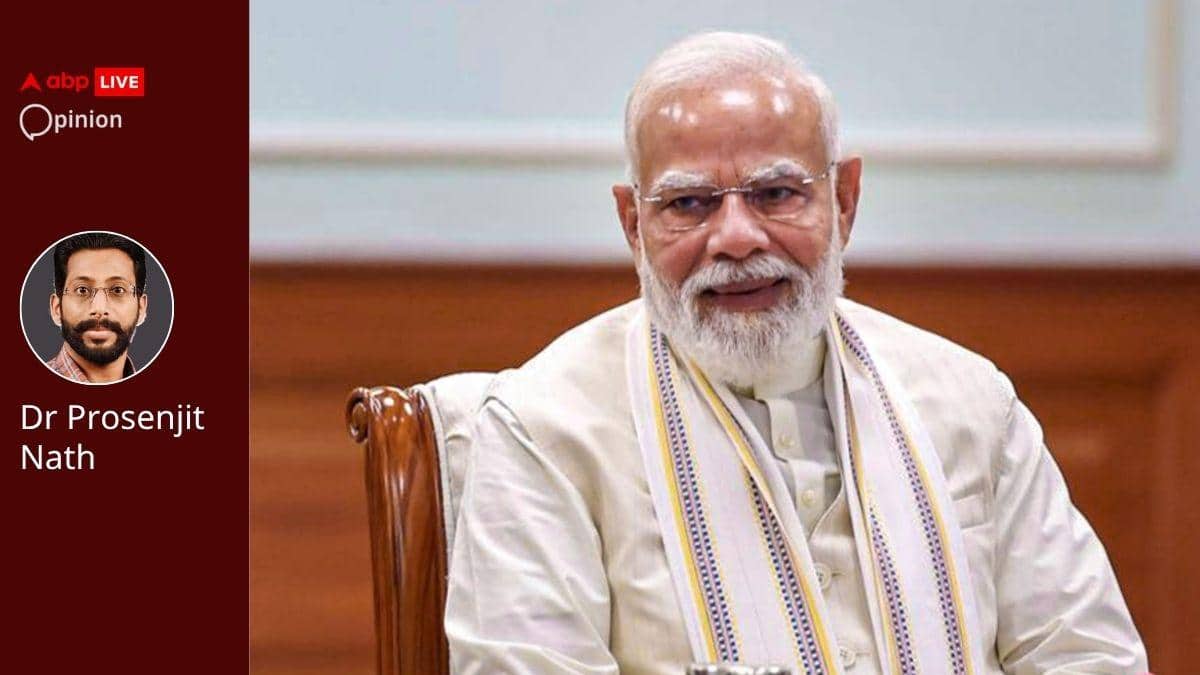
As the saffron party continues to absorb high-profile leaders from across the aisle, the long-term impact on its cadre-based identity remains a point of intense debate in political corridors.
The sight of a veteran opposition leader trading their party scarf for the saffron stole has become a recurring ritual in Delhi’s Lutyens’ zone. Over the last decade, the BJP has shed its image as a rigid, cadre-based outfit to become a political juggernaut. Under the stewardship of Prime Minister Narendra Modi and Home Minister Amit Shah, the party has aggressively courted regional satraps and former Congress stalwarts, effectively turning a "closed shop" into an expansive, pan-Indian coalition.
The Strategy of Growth
This growing attraction for political heavyweights is not accidental; it is a calculated electoral machine. By onboarding leaders with pre-existing grassroots networks and deep-seated local influence, the party bypasses the years of toil typically required to build a base from scratch. In states where the BJP once struggled for a foothold, these new entrants act as force multipliers, bringing in the electoral experience necessary to translate institutional momentum into actual vote shares.
For the party high command, this is a boon—a way to ensure that its footprint remains truly national. Expanding the tent allows the BJP to capture diverse demographics and regional nuances that a singular ideology might otherwise alienate. The math is simple: winning in India’s complex electoral landscape requires more than just a dedicated base; it requires the heavy hitters who can command local loyalty and deliver districts.
The Internal Friction
Yet, this challenge cannot be brushed aside. Every time a high-profile defector is welcomed with a prime ticket or a cabinet post, the morale of the long-serving karyakarta takes a hit. These foot soldiers, who have spent decades manning booths and organizing local units, often find their path to advancement blocked by "parachute candidates."
The risk here is one of dilution. When a party prioritizes immediate electoral gains through the acquisition of political outsiders, it risks drifting away from the ideological discipline that once defined it. If the organizational culture begins to prioritize utility over loyalty, the very foundation of the BJP—its cadre—could find itself feeling like a spectator in its own house.
The Bigger Picture
Why does this matter? The BJP is currently navigating a delicate transition from a movement-driven party to a dominant governing institution. The current trend suggests a shift toward pragmatism, where the ability to win becomes the primary currency. However, the true test will be how the party balances these incoming power brokers with the veterans who built the organization from the ground up.
If the leadership fails to harmonize these two groups, the party might find itself winning elections while losing its unique organizational DNA. The coming cycles will show whether this "big-tent" approach strengthens the party’s foundations or creates internal fissures that are difficult to mend. For now, the strategy remains clear: expand at any cost, and let the electoral results justify the influx.
Arjun Mehta reports on government, policy and Parliament for PoliticalPedia, in English and Hindi.