Charred Beyond Recognition: Safety Questions Loom After VSP Blast Claims Eight Lives
VSP blast: bodies of victims charred beyond recognition
Families and fellow workers are left reeling as a catastrophic industrial accident at the Visakhapatnam Steel Plant turns the hospital into a site of unbearable grief.
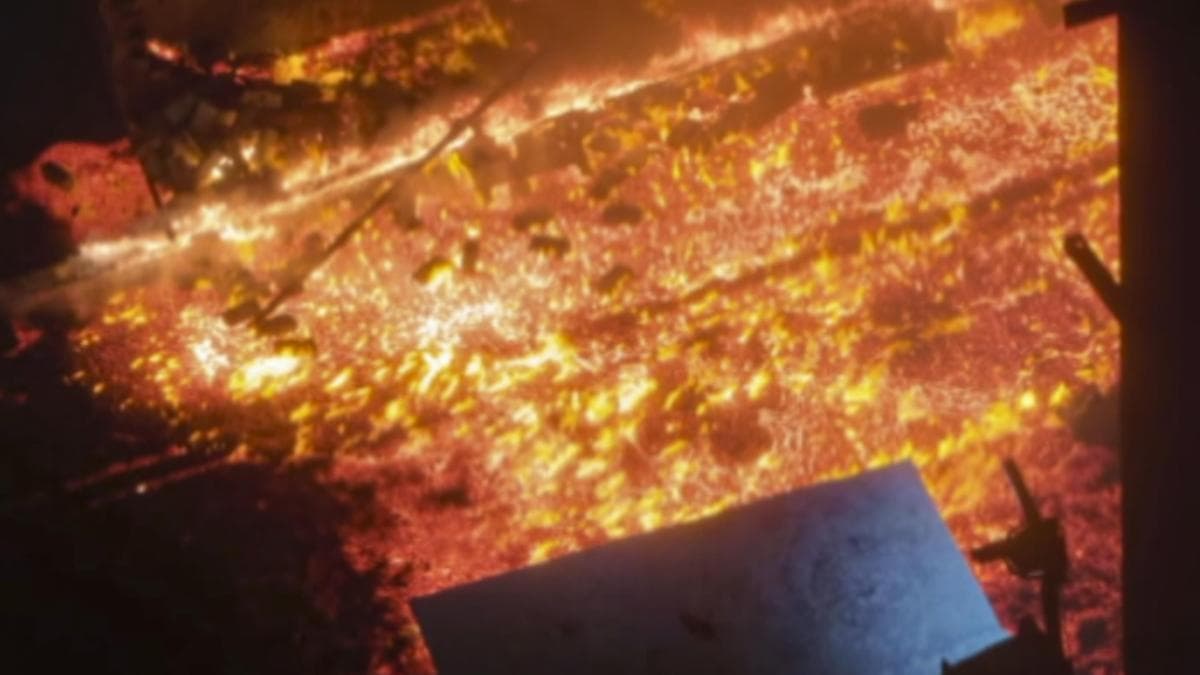
The air outside the Visakha Steel General Hospital on Monday evening was thick with the sounds of inconsolable mourning. What began as a routine shift at the SMS-1 unit of the VSP ended in an industrial nightmare when a ladle tipped, spilling tonnes of molten liquid steel across the shop floor. The resulting explosion and subsequent inferno claimed eight lives, leaving behind scenes of visceral devastation as families arrived to identify their kin.
For N. Appanna, the tragedy hit with double the force. As an employee of the steel plant himself, he had narrowly avoided the site by being assigned to a different shift. His brother, Nakka Ramana—a veteran of 25 years at the facility—was not as fortunate. Outside the mortuary, Appanna struggled to steady himself, overwhelmed by the reality that a career spanning a quarter-century had ended in a flash of heat and metal.
The identification process proved to be the most harrowing ordeal for the relatives. Vijaya, sister of the deceased Ramana, stood near the hospital entrance in a state of shock, barely able to process the sight of her brother’s remains. "I could not even recognise my brother. Only his legs were visible," she whispered, a sentiment shared by several other families whose loved ones were charred beyond recognition. Inspector E. Kesava Rao of the Steel Plant Police Station was on-site, tasked with the difficult job of managing the crowd and urging families to cooperate with the necessary, yet painful, post-mortem and inquest formalities.
A Pattern of Concern
Tension spilled over from the hospital to the plant gates, where union representatives and political leaders gathered to demand answers. The accident has reignited a fierce debate regarding the operational health of the VSP. Workers gathered at the site expressed deep-seated anger, pointing to a "ticking time bomb" environment characterized by chronic manpower shortages, excessive workloads, and aging machinery. Many claim that the very section where the accident occurred had been flagged for maintenance issues, yet daily production pressures allegedly took precedence over rigorous safety audits.
Why it matters
This tragedy is not merely an isolated operational failure; it serves as a grim reflection of the structural stresses currently facing India’s massive industrial public sector units. When the human cost of production manifests in such a horrific manner, the systemic lapses in maintenance and safety protocols come under intense scrutiny. For the government and the plant’s management, the immediate challenge is twofold: providing compassionate support to the grieving families and, more critically, addressing the long-standing complaints of the workforce. Without a transparent, independent investigation that looks beyond "human error" to systemic maintenance failings, the trust gap between the management and the workers will only widen, potentially leading to further industrial unrest.
As the families return home to prepare for final rites, the VSP now faces a reckoning. The incident has left the local community shaken, and with government officials and MPs already on the ground assessing the damage, the coming weeks will likely see a push for a comprehensive safety overhaul. For now, however, the focus remains on the eight families who came to the hospital expecting a brother or son to return from a shift, only to leave with a devastating void.
National Affairs Desk at PoliticalPedia covers government & policy for an Indian audience in English and Hindi.