The End of an Era: Kolkata Municipal Corporation Board Dissolved as TMC Rule Collapses
West Bengal: TMC out of Kolkata Municipal Corporation as CM Suvendu Adhikari dissolves Board, appoints administrator
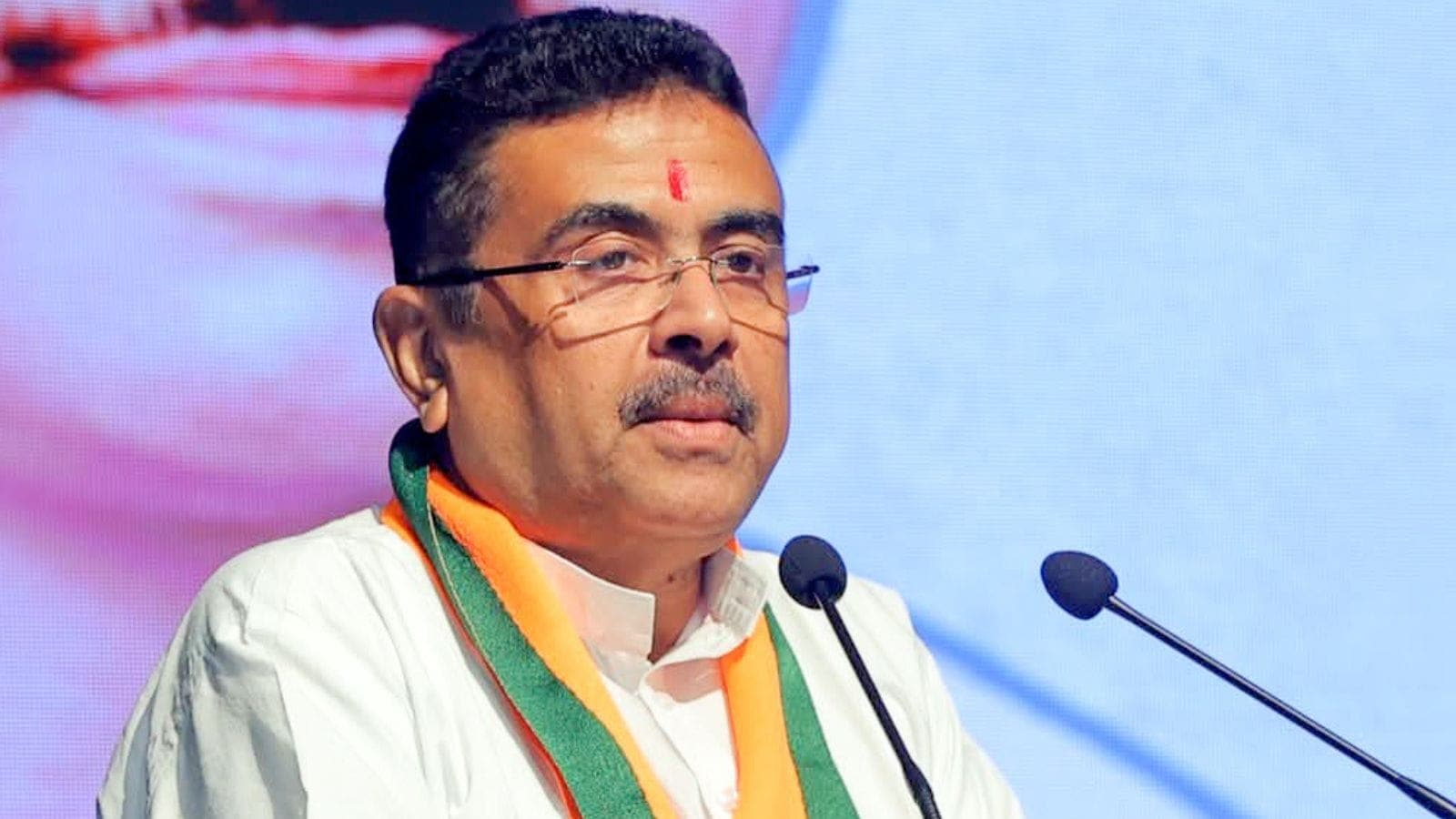
In a decisive move following a wave of political churn, the West Bengal government has dissolved the KMC board, ending 16 years of Trinamool Congress control.
The corridors of the Kolkata Municipal Corporation (KMC) have fallen silent, signaling a seismic shift in the state’s urban governance. On Monday, the government, led by Chief Minister Suvendu Adhikari, officially dissolved the KMC board, invoking provisions of the Kolkata Municipal Corporation Act, 1980. The move comes just days after the resignation of Mayor Firhad Hakim, effectively bringing the curtain down on a 16-year administrative tenure that began in 2010.
IAS officer Smita Pandey has been appointed as the administrator of the civic body. Under the current order, Pandey will oversee the day-to-day operations of Kolkata’s local government until fresh elections are held, a process mandated to take place within the next six months. This administrative takeover was not unexpected; it followed a stern show-cause notice issued by the state’s Urban Development and Municipal Affairs Department, which questioned the KMC’s ability to function without a mayor and a formal council.
A Cascade of Resignations
The dissolution of the KMC board did not happen in a vacuum. It follows a wider pattern of institutional instability across the state. Last week, both the Bidhannagar and Chandannagore mayors stepped down, reflecting the deepening crisis within the Trinamool Congress (TMC). By the time the government issued its ultimatum to the KMC, the resignation of Hakim—who has since been named Chief Whip of the opposition in the Assembly—had left a leadership vacuum that the state argued was paralyzing basic civic services.
While some legal voices, including former mayor and senior advocate Bikash Ranjan Bhattacharya, questioned whether a mayoral resignation alone justifies the dissolution of an entire elected board, the government held firm. Citing Section 117(1) of the KMC Act, the administration maintained that the civic body had become incompetent and incapable of fulfilling its statutory duties, necessitating direct state intervention to prevent a breakdown in essential services.
Why it matters: The Bigger Picture
This administrative overhaul is a direct consequence of the 2026 Assembly election results, which saw the BJP secure 206 of the 294 seats, dramatically altering the political landscape of Bengal. The dissolution of the KMC is more than just a bureaucratic reshuffle; it represents the systematic dismantling of the previous regime's hold on local governance.
For the common resident, the immediate concern is the transition of power. With monsoon preparations and essential waterlogging mitigation efforts already underway, the appointment of an IAS administrator is designed to bypass political deadlock. However, the move also leaves the city in a state of administrative limbo, waiting for fresh mandates. As the state moves toward new elections, the shift in control from elected councillors to government-appointed bureaucrats underscores a new, assertive era in West Bengal politics where the lines between state and civic authority are being redrawn at a rapid pace.
Features Desk at PoliticalPedia covers culture, tech & life for an Indian audience in English and Hindi.