The Echo of the Ganga: Padma Vibhushan N Rajam on a Lifetime of Melodic Devotion to Banaras
Padma Vibhushan N Rajam reflects on Banaras, music and a lifetime with the violin
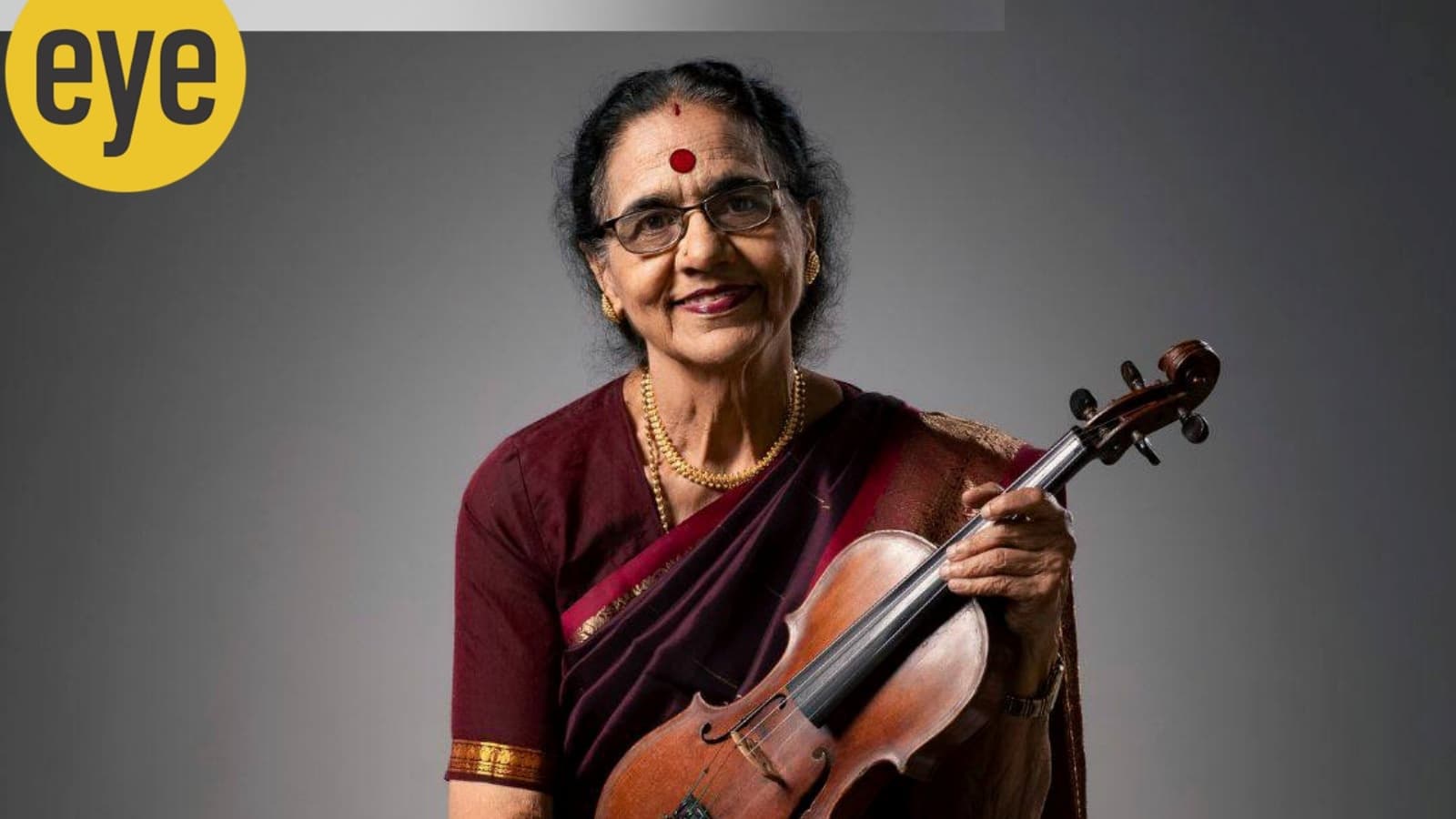
From the banks of the Ganges to the national stage, legendary violinist N Rajam reflects on her artistic journey, her synergy with Ustad Bismillah Khan, and the evolving soul of her adopted home.
The recent conferment of the Padma Vibhushan upon N Rajam serves as a profound recognition of a seven-decade odyssey that redefined the role of the violin in Indian classical music. While the 88-year-old virtuoso was raised in a Tamil-speaking household in Chennai, her artistic identity is inextricably linked to the cultural landscape of Banaras. It was here, during her tenure as a professor at Banaras Hindu University, that she bridged the gap between the Carnatic origins of her instrument and the emotive, fluid requirements of the Hindustani vocal tradition.
A Dialogue of Masters
The legacy of N Rajam is perhaps best captured in the enduring cultural memory of her collaboration with the legendary shehnai maestro, Ustad Bismillah Khan. Decades ago, Khan—struck by the young professor’s ability to imbue the violin with the nuanced cadence of the human voice—sought her out for a musical partnership. Their collaborations, often joined by tabla maestro Pt Kishan Maharaj, remain a testament to a bygone era of the Ganga-Jamuni tehzeeb, where diverse traditions flourished in harmony.
One of the most evocative records of this era exists in a grainy, resonant YouTube clip: Rajam performing the folk classic Piya mora baalak on the ghats of the Ganga. As she leans into the violin, capturing the longing of the Pilu raga, Khan is heard offering his signature "wah" of approval. For those observing from the present, the footage offers a window into a city that felt untouched by the hardening political identities of today, serving as a sanctuary for those who prioritized artistic expression over sectarian boundaries.
Reimagining the Instrument
Rajam’s contribution transcends mere performance; she pioneered a technique that allowed the violin to mimic the intricacies of vocal music, a feat that drew the attention of mentors and peers alike. When Khan collaborated with the young violinist, he recognized a shared philosophy. Having mastered the shehnai as an extension of his own breath, Khan understood that Rajam was performing a similar alchemy—stripping the violin of its rigid, percussive associations and allowing it to "sing" with the unhurried grace of the Banarasi lehja.
The recent Padma honour is part of a broader recognition of talent within the state, which saw several other artists and scholars receive the Padma Shri alongside her. However, for Rajam, the accolades are secondary to the preservation of a musical language that she has spent her life refining. Her journey reflects a lifetime of devotion to a city that welcomed an outsider and allowed her to become one of its most articulate voices.
A Receding Memory?
As modern life transforms the fabric of Varanasi, Rajam’s recollections offer a tether to a more cohesive past. The overlapping sounds of temple bells and the azaan, which once formed the sonic backdrop to her early performances with Khan, are now frequently analyzed through the lens of modern politics. Yet, through her work, she continues to advocate for the power of music to hold a city—and a country—together. Her violin remains not just a tool for melody, but a bridge between the classical traditions she mastered and the folk soul of the Purvanchali belt she came to call her own.
The PoliticalPedia Editorial Desk brings verified, sourced political news and analysis from across India.