The BrahMos Gambit: How India’s Supersonic Missile is Redefining Indo-Pacific Security
OPINION | Expanding Footprint Of India’s BrahMos
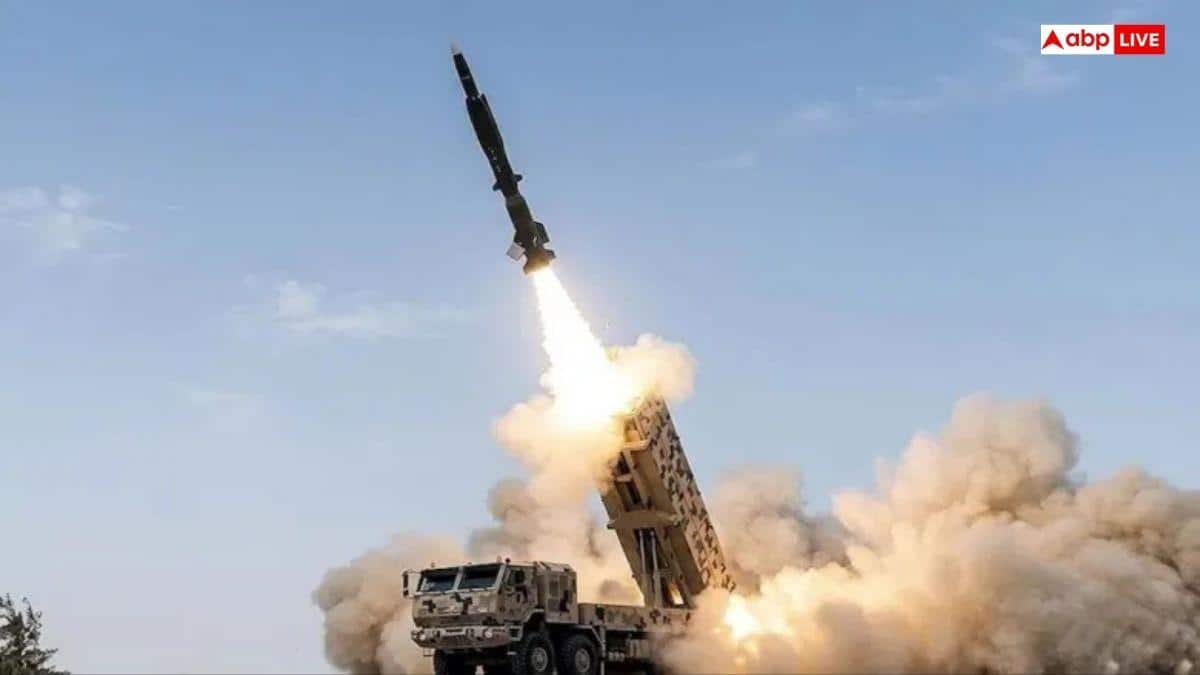
As regional powers look to pivot away from reliance on traditional superpowers, India’s BrahMos missile system has emerged as the preferred deterrent for nations facing mounting maritime volatility.
The geopolitical architecture of the Indo-Pacific is undergoing a quiet but seismic shift, with India’s flagship BrahMos supersonic cruise missile at its epicenter. As nations across the ASEAN bloc confront increasingly assertive military maneuvers in the South China Sea, they are turning to New Delhi to bolster their coastal defense batteries. What began as a strategic defense export has evolved into an expanding footprint for India, effectively positioning the country as a critical security partner for Southeast Asian states seeking to safeguard their territorial integrity against Chinese expansionism.
A Growing Arsenal of Deterrence
The trajectory of the BrahMos program has accelerated significantly since the Philippines finalized its landmark $375 million acquisition in 2022. Recent reports indicate that Manila is now exploring an expansion of its arsenal, with New Delhi offering the extended-range (ER) variant—capable of striking targets up to 400 kilometers away. This isn't an isolated procurement; Vietnam and Indonesia are currently navigating deals worth approximately $450 million to $629 million, signaling a collective move toward interoperability among nations that share concerns regarding freedom of navigation in contested waters.
The strategic appeal of the BrahMos lies in its proven versatility. Its performance during Operation Sindoor—a brief but intense period of regional friction in May 2025—served as a definitive showcase of the missile’s precision and supersonic speed. This demonstration not only validated the hardware for prospective buyers but also transformed the missile from a theoretical asset into a battle-tested deterrent. Consequently, interest has rippled beyond the primary trio, with Singapore, Thailand, Brunei, and Malaysia all signaling varying levels of intent to integrate the system into their own naval and coastal defense networks.
Beyond the South China Sea
The ripple effects of India's defense diplomacy are being felt far beyond Southeast Asia. As India sharpens its indigenous manufacturing capabilities, the international interest in the BrahMos has begun to alarm traditional regional powers. Reports of potential interest from Cyprus have drawn sharp scrutiny from Turkey, highlighting how India’s export success is now intersecting with complex, long-standing geopolitical rivalries in the Mediterranean. This burgeoning interest suggests that the BrahMos is becoming more than just a regional commodity; it is a tool of strategic alignment.
For India, this marks a transition from a traditional arms importer to a sophisticated global supplier. PM Narendra Modi’s recent engagements with Philippines President Marcos Jr. underscored this shift, with Manila openly lauding India’s defense capabilities. By supplying high-end tactical systems to democratic partners, New Delhi is effectively creating a "BrahMos club," a network of nations that are not only buying hardware but are increasingly tied to India’s broader strategic vision for a stable, rules-based Indo-Pacific.
Ultimately, the expanding footprint of the BrahMos reflects a broader maturity in India’s defense industry. With the Tejas fighter, INS Vikrant, and the BrahMos missile forming a triad of indigenous export-grade hardware, India is no longer just participating in the global arms market—it is helping shape the security landscape of the entire continent. As more nations finalize their procurement timelines, the BrahMos is set to remain the most significant variable in the evolving balance of power across the Indo-Pacific.
The PoliticalPedia Editorial Desk brings verified, sourced political news and analysis from across India.