The 4% Threshold: Why Your Monthly Grocery Bill Is Getting Harder to Ignore
India inflation likely rose to 4% in May as food, fuel costs climb
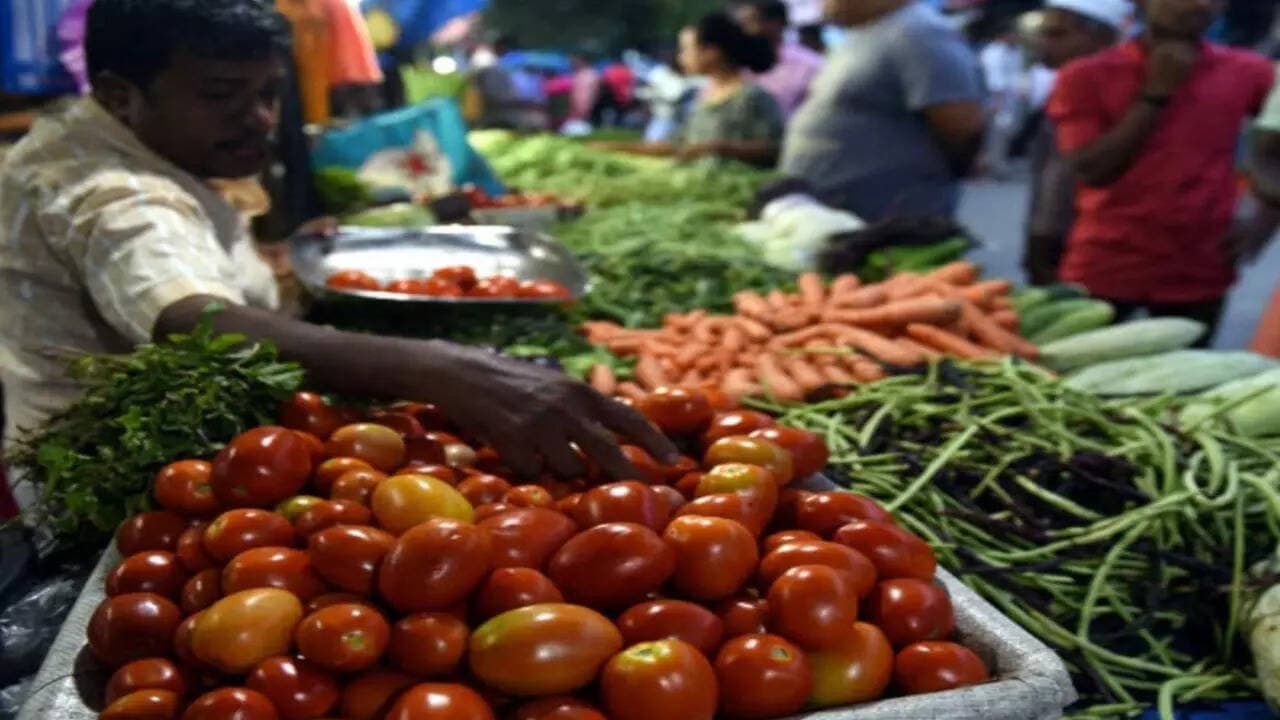
As food and fuel costs climb, India’s inflation has hit the central bank’s target, signalling an end to the long period of price stability.
For fifteen straight months, Indian households enjoyed a rare period of price stability, with inflation comfortably anchored below the Reserve Bank of India’s (RBI) 4% medium-term target. But that trend has officially broken. As we move through the year, the combined weight of rising vegetable prices and a fresh wave of fuel costs has pushed inflation back to that 4% mark in May, up from 3.48% in April.
The shift isn't just a number on a ledger; it’s being felt at the pump and the sabzi mandi. Fuel retailers hiked prices four times in May alone, creating a ripple effect that touches everything from transportation costs to the price of daily essentials. With wholesale price inflation hitting a three-year high of 8.3% recently, the lag-effect is now starting to bleed into the retail prices we pay at the checkout counter.
The Heat and the Conflict
Two major factors are driving this pressure. First, the geopolitical reality: the ongoing war in West Asia has kept global crude oil prices volatile, forcing a pass-through of higher energy costs to the Indian consumer. Second, the seasonal sting of a harsh summer. Severe heatwaves across several regions have disrupted supply chains, causing vegetable prices to rebound sharply.
Kanika Pasricha, chief economic adviser at Union Bank of India, notes that transport inflation alone—which sat near zero in April—jumped to over 4% in May. When transport costs rise, the price of moving produce from farms to cities climbs, and that cost is almost always passed on to the buyer.
Why it matters: The bigger picture
For the average Indian, this isn't just about the cost of tomatoes or petrol; it’s about a broader shift in economic sentiment. RBI surveys conducted in May reveal that consumer confidence is softening. Households are increasingly pessimistic, with a vast majority of respondents anticipating that food and service costs will continue to climb over the next few months.
While the RBI has maintained key interest rates for now, the central bank’s decision to raise its annual inflation forecast to 5.1% suggests they are preparing for a long haul. The "benign" environment that kept our wallets relatively safe for over a year is fading. If global energy prices remain elevated and summer supply disruptions persist, the era of easy inflation may well be behind us, leaving the economy to grapple with higher costs for the foreseeable future.
Features Desk at PoliticalPedia covers culture, tech & life for an Indian audience in English and Hindi.