The 30-Day Clock: Congress Braces for Battle Over Constitutional Amendment Bill
'Political vendetta': Congress vows to block Bill seeking automatic removal of PM, CMs after 30 days in jail
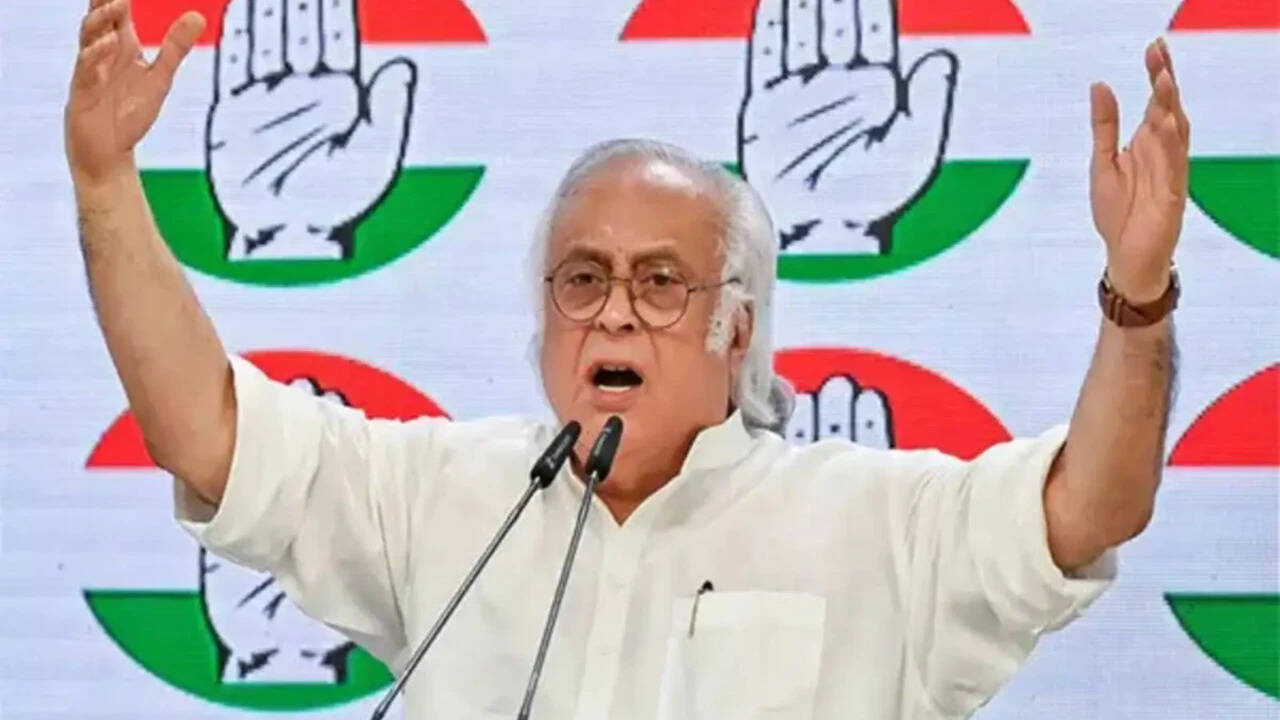
As the Monsoon Session approaches, a contentious proposal to automatically remove jailed leaders from office sets the stage for a major parliamentary showdown.
The corridors of power in New Delhi are bracing for a fresh round of legislative friction. With the Monsoon Session of Parliament scheduled to begin on July 20, the Congress has declared it will strongly oppose the Constitution (130th Amendment) Bill, a piece of legislation that threatens to alter the fundamental stability of elected governments. The proposed law seeks to mandate the automatic removal of any Prime Minister, Chief Minister, or minister who remains in judicial custody for 30 consecutive days due to criminal charges carrying a penalty of more than five years.
Introduced by Union Home Minister Amit Shah in August 2025, the Bill was promptly referred to a Joint Parliamentary Committee (JPC). While the JPC is expected to adopt its final report on July 17, the political climate surrounding the draft is already volatile. Congress general secretary Jairam Ramesh wasted no time in firing the opening salvo, characterising the move as a blatant tool for "political harassment." Ramesh argued that the Bill effectively subverts the judicial process, where the principle of "innocent until proven guilty" remains the bedrock of Indian law.
The Politics of Custody
At the heart of this controversy is the timing and the potential for misuse. Opposition parties, many of whom boycotted the JPC proceedings, view the amendment as a retaliatory instrument tailored for the current political landscape. For the Congress, the argument is straightforward: if a leader is sidelined purely by the duration of their time in jail—often at the mercy of investigative agencies—it allows the ruling party to engineer a change in government without waiting for a court verdict.
Legal analysts and observers have noted that this Bill draws sharp parallels to recent high-profile cases, such as that of former Delhi Chief Minister Arvind Kejriwal, which sparked intense national debate over whether a leader can effectively govern from behind bars. By setting a hard 30-day limit, the government is looking to institutionalise a threshold that would disqualify ministers, forcing them out of office regardless of the merits of the ongoing trial.
Why it matters: The Bigger Picture
This legislative push represents a significant shift in the tension between executive accountability and the protection of elected mandates. If passed, the amendment would fundamentally change how governments survive legal challenges, shifting the leverage significantly toward those who control the investigative machinery.
However, the path ahead for the government is anything but smooth. To pass a constitutional amendment, the BJP-led coalition must secure a two-thirds majority in Parliament. Given the deep-seated opposition from the Congress and other aligned parties, observers suggest the government may struggle to cross this high legislative bar. The upcoming session will likely turn into a test of the ruling coalition's floor management skills, as the Opposition prepares to frame this as an issue of constitutional sanctity versus political vendetta.
Arjun Mehta reports on government, policy and Parliament for PoliticalPedia, in English and Hindi.