Tehran’s ‘Test of Trust’ for Trump: Why Iran Claims It Has Emerged Victorious in War
'Iran Has Emerged Victorious In War': Mojtaba Khamenei's Aide Has A 'Test Of Trust' For Trump
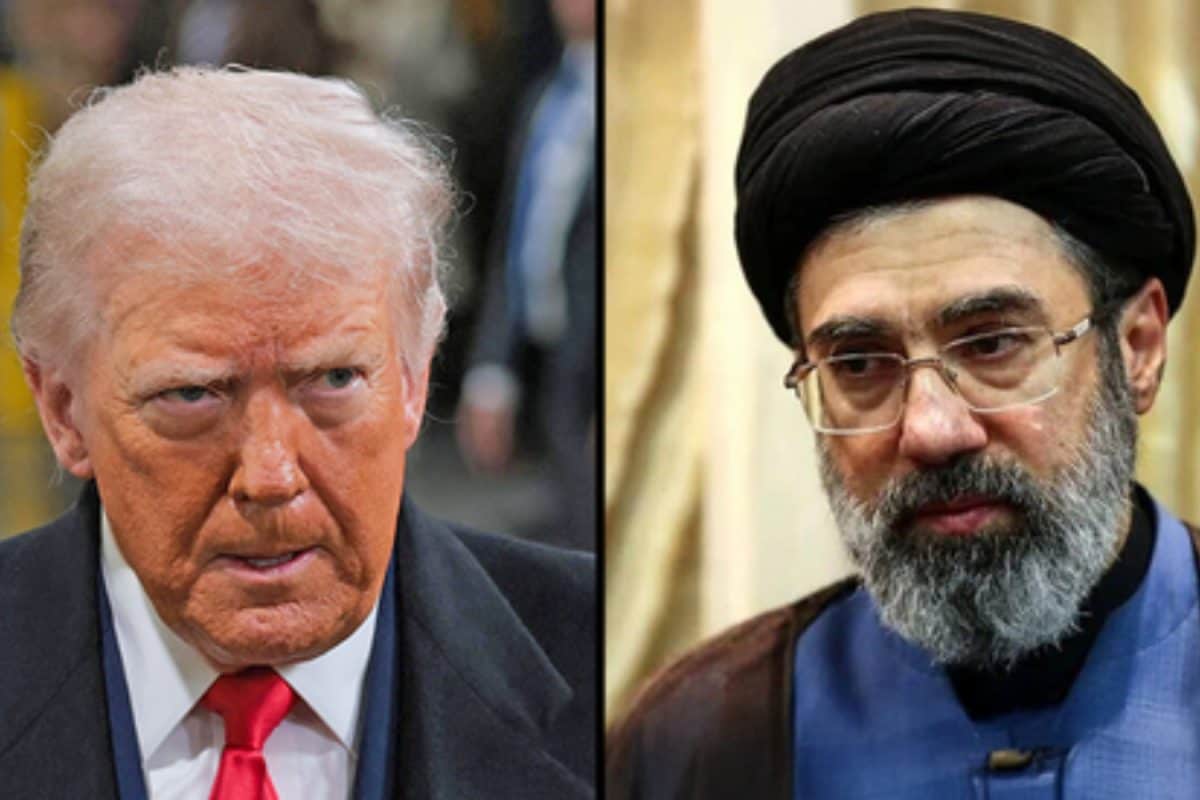
As peace talks stall, a senior aide to Mojtaba Khamenei demands the release of $24 billion in frozen assets as a benchmark for future negotiations.
The delicate ceasefire between Washington and Tehran is facing a severe reality check as Iranian officials shift their rhetoric toward a position of strategic triumph. Mohsen Rezaei, a high-ranking military adviser to Ayatollah Mojtaba Khamenei, recently declared that for the first time in modern history, Iran has emerged victorious in war. This bold assertion comes as diplomatic channels between the U.S. and Iran remain gridlocked, with both sides struggling to reconcile conflicting demands over regional security and economic sanctions.
The $24 Billion ‘Test of Trust’
At the heart of the current stalemate is a financial ultimatum presented by Tehran. Rezaei has explicitly framed the release of $24 billion in frozen Iranian assets—divided into two $12 billion installments—as a definitive test of trust for the Trump administration. According to Iranian officials, this move is not merely a request for liquidity but a litmus test to gauge whether the U.S. is serious about pursuing a lasting peace agreement. "If he wants to reach an agreement with Iran, this $24 billion is a test of trust that Iran wants to have with Trump," Rezaei stated, emphasizing that these funds belong to Tehran rather than the United States.
The negotiations, however, are burdened by a complex list of sticking points that extend far beyond financial transfers. Beyond the frozen funds, the two nations are at a crossroads regarding the status of Iran’s enriched uranium reserves and the volatile security situation surrounding the Strait of Hormuz. While the prospect of full-scale, total war is currently described as low, the risk of miscalculation remains high.
A Fragile Regional Landscape
The broader regional context adds significant weight to these demands. Reports from the ground indicate that while some sectors of the Iranian public view the ceasefire as a potential relief, others fear that a prolonged diplomatic deadlock could lead to internal crackdowns or a sudden escalation. The U.S. administration, meanwhile, has maintained a cautious stance, with President Trump reportedly holding off on a "final determination" regarding the latest Iranian proposals.
Should these talks collapse, the repercussions are likely to ripple across the Middle East. Rezaei warned that any renewed military friction would not be confined to existing zones of conflict. He suggested that Tehran is prepared to broaden the theater of operations by targeting additional American bases in the region, a strategy that would significantly raise the stakes for Washington's military footprint. As the clock ticks on these negotiations, the international community watches closely to see if the proposed "test of trust" can break the impasse or if the region is sliding back toward a wider confrontation.
The PoliticalPedia Editorial Desk brings verified, sourced political news and analysis from across India.