Tehran Rebuffs Trump’s Overture: Iranian FM Urges US to ‘Live in the Real World’
'Live in the real world': Iranian FM reacts to Trump's willingness to meet Supreme Leader Mojtaba Khamenei
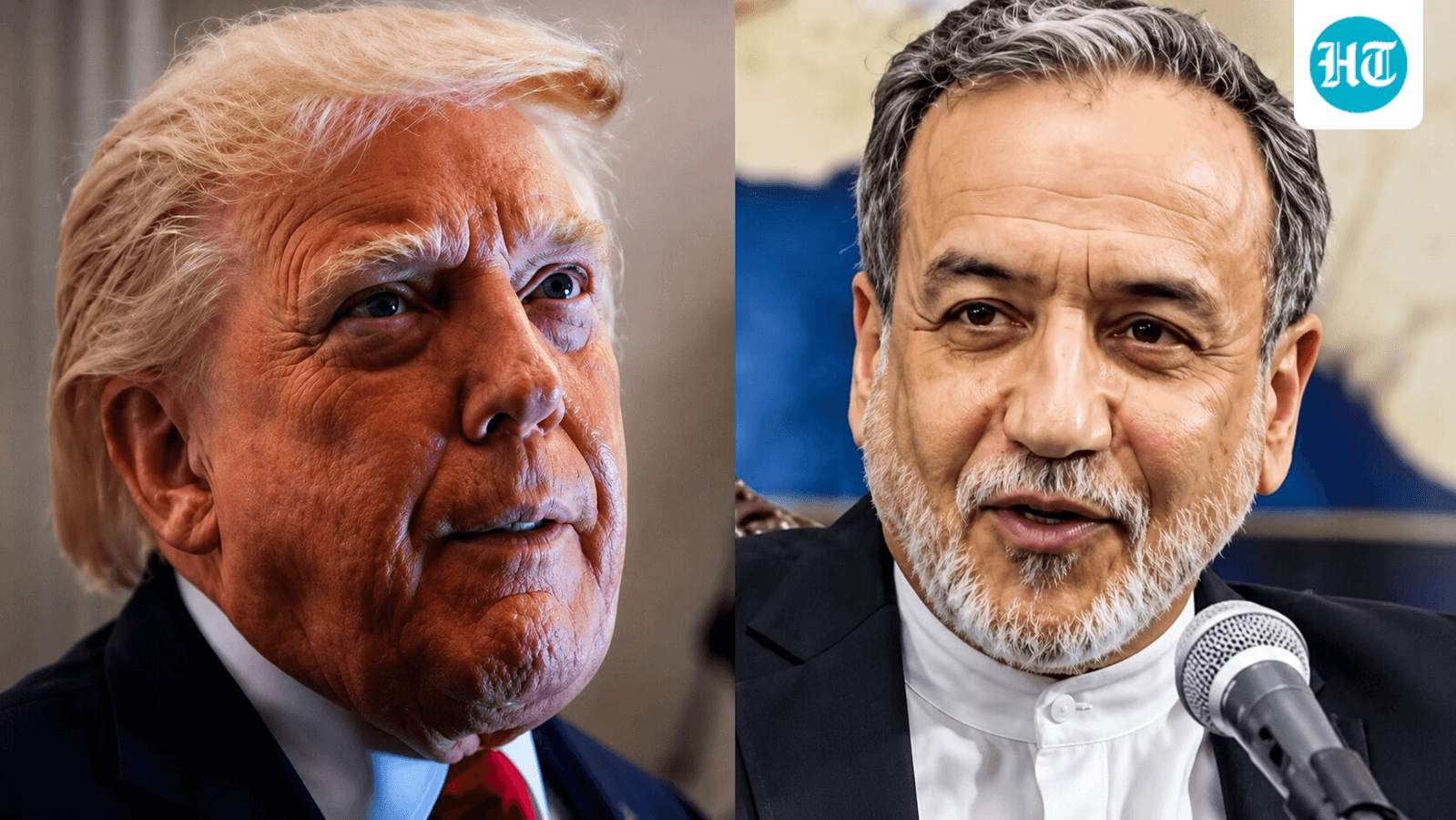
As tensions remain high following the appointment of Mojtaba Khamenei as Iran’s new Supreme Leader, diplomatic rhetoric between Washington and Tehran continues to oscillate between potential dialogue and open hostility.
The geopolitical landscape remains volatile as Iranian Foreign Minister Abbas Araghchi has firmly dismissed the latest overtures from US President Donald Trump regarding a potential high-level summit. Following the confirmation of Mojtaba Khamenei as the new Supreme Leader, President Trump suggested on Thursday that he would be open to a meeting if it served the purpose of securing a deal. However, Tehran’s response was immediate and skeptical, with Araghchi urging Washington to abandon speculative diplomacy and instead "live in the real world."
A Fragile Diplomatic Opening
President Trump’s remarks at the White House appeared to catch many observers off guard. While admitting that the new Iranian leader is likely not his "favorite person," Trump stated he would be "honored" and "respectful" during any potential encounter, citing the potential for a breakthrough. Yet, the disconnect between these words and the ongoing reality on the ground is stark. While Trump characterized the potential for a meeting as a professional necessity, the Iranian leadership maintains that there has been "no tangible progress" in negotiations, despite back-channel communications through intermediaries.
The Strait of Hormuz and Economic Pressure
The diplomatic standoff is occurring against a backdrop of severe economic and military strain. The Strait of Hormuz, a critical artery for global energy, saw no commercial transit on Friday morning, highlighting the intensity of the current maritime blockade. While President Trump has attempted to downplay the economic fallout—specifically pointing to oil prices remaining around $96 a barrel, significantly lower than the $300 "doomsday" scenarios predicted by some analysts—the disruption to trade continues to impact global markets. The US military remains heavily engaged in the region, with reports of heightened activity following recent strikes on February 28.
Navigating a New Succession
The appointment of Mojtaba Khamenei follows a period of profound uncertainty for the Iranian political structure, marked by the death of his predecessor and the loss of high-ranking figures like Larijani in recent strikes. While international observers, including reports from outlets like The New York Times, have speculated on whether these leadership transitions will destabilize the nation, Tehran insists that its political apparatus remains resilient.
As Pakistan and other regional actors explore the possibility of hosting mediation efforts, the central question remains whether either side is truly prepared for a breakthrough. With Washington reportedly maintaining a firm stance on naval operations and Tehran setting its own terms for ending the hostilities, the path to a sustainable peace appears narrow. For now, the "real world" that Foreign Minister Araghchi speaks of is one defined by stalled talks, naval blockades, and a deeply entrenched conflict that shows few signs of de-escalating in the immediate future.
The PoliticalPedia Editorial Desk brings verified, sourced political news and analysis from across India.