Supreme Court: Right to travel abroad cannot be viewed in isolation when criminal trials pend
Right to travel abroad cannot be viewed in isolation, says Supreme Court
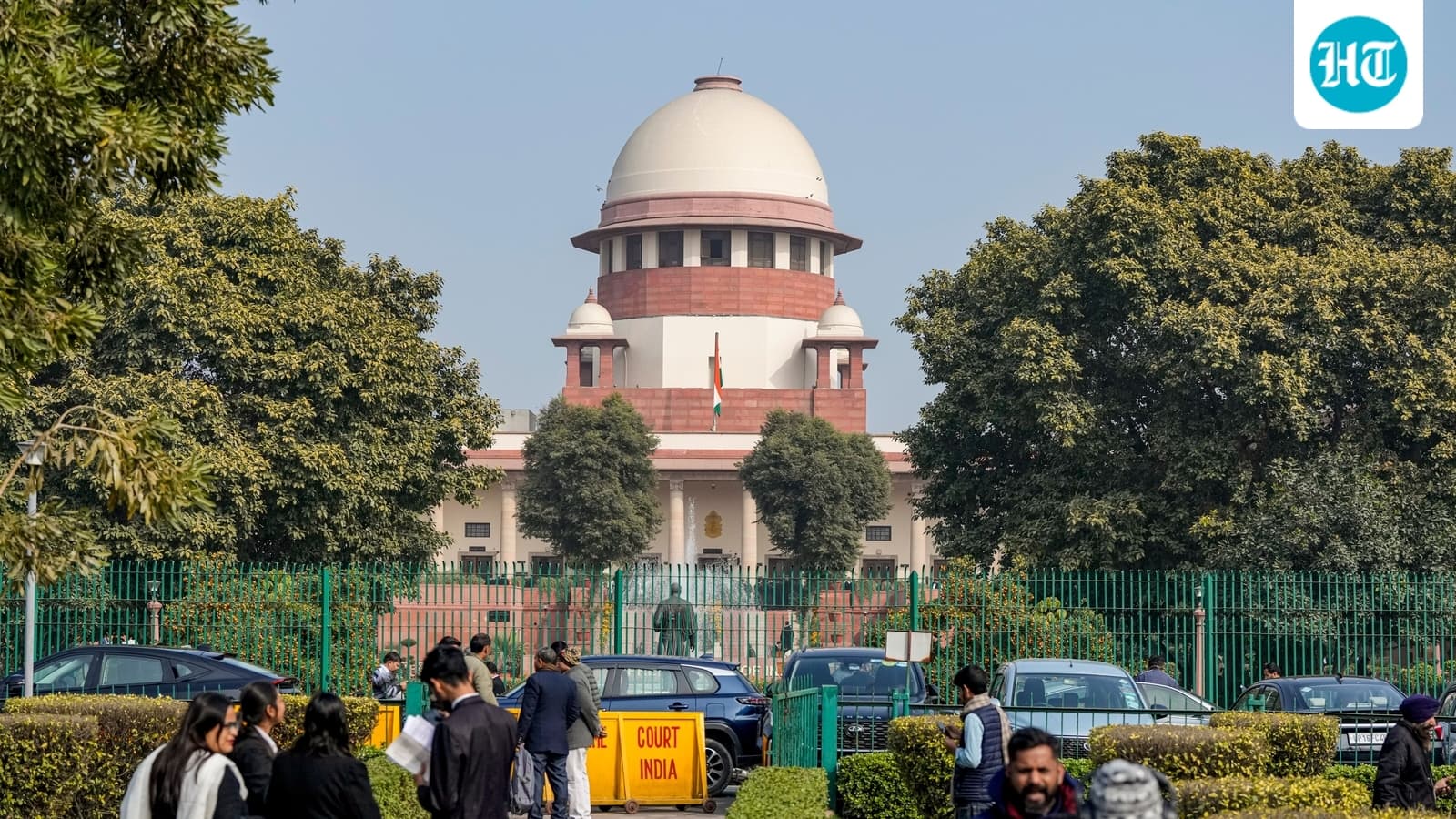
The top court has ruled that an accused person's freedom of movement must be balanced against the victim's fundamental right to a speedy judicial process.
The Supreme Court has delivered a significant clarification on the limits of personal liberty, asserting that the fundamental right to travel abroad cannot be viewed in isolation. In a judgment delivered on June 4, a bench comprising Justices Dipankar Datta and Satish Chandra Sharma underscored that while Article 21 of the Constitution protects individual movement, it does not exist in a vacuum, particularly when weighed against the societal interest in the effective administration of criminal justice.
Reining in ‘undue indulgence’
The ruling emerged from a challenge to an October 2025 order by the Telangana High Court, which had allowed businessman Guniganti Ravinder Rao to travel to the United States for medical treatment. The Supreme Court bench set aside this order, noting that the lower courts had been "unduly indulgent" regarding the facts of the case. The matter involves a decade-old criminal complaint stemming from the suspicious death of the complainant's father in 2014, leading to an FIR against the businessman.
By overturning the high court’s decision, the apex court has effectively restrained the accused from leaving the country without explicit permission from the trial court. The judgment serves as a stern reminder that the right to a speedy trial is an equally integral facet of Article 21, and judicial discretion must be exercised to ensure that trials are not perpetually stalled by the international travel requirements of the accused.
The doctrine of reasonable restriction
The Supreme Court reiterated that no fundamental right is absolute. In the context of criminal jurisprudence, the bench emphasized that a delicate balance must be maintained between the accused's liberty, the rights of the victim’s family, and the larger interest of the state. When these interests collide, courts are mandated to apply reasonable restrictions rather than granting blanket permits for overseas travel.
This decision reflects a broader, growing emphasis within the Indian judiciary on the rights of victims. By prioritizing the conclusion of long-pending criminal cases, the court has signaled that constitutional protections for individuals should not be invoked in a manner that undermines the legal system's duty to provide justice to victims within a reasonable timeframe.
For legal observers, this verdict is a critical precedent. It serves as a check against the perception that the right to travel is an unfettered privilege, particularly for those facing serious criminal charges. As criminal litigation continues to face backlogs, this approach by the Supreme Court suggests that judicial benches in Delhi and across the country will likely adopt a more stringent, evidence-based approach when considering requests from accused persons seeking to exit the jurisdiction of the court.
The PoliticalPedia Editorial Desk brings verified, sourced political news and analysis from across India.