Supreme Court: Premarital physical relationships do not define a person’s character
Premarital physical relationship not a reflection of character: Supreme Court
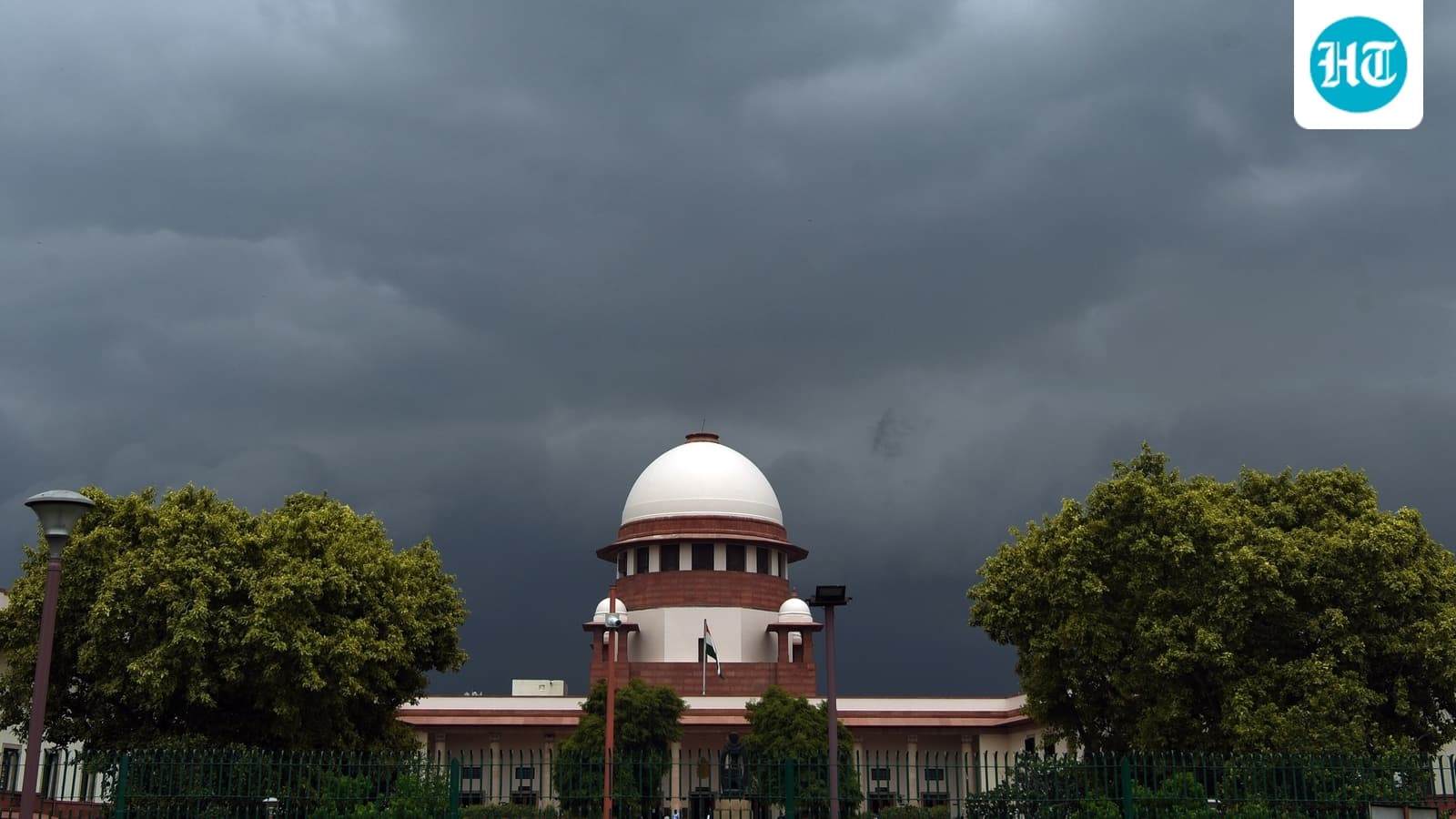
The apex court has ruled that romantic choices between consenting adults cannot be used as a yardstick for moral integrity in employment verification.
For Gajula Thirupathi, a dream career in the Telangana police force nearly collapsed over a personal history that the state’s recruitment board deemed a character flaw. Thirupathi, a candidate for the Stipendiary Cadet Trainee Police Constable (SCTPC) position, had disclosed a past criminal case in his recruitment paperwork—a case that had already been settled and compounded by a Lok Adalat back in 2015. Despite his transparency, authorities blocked his appointment, citing "moral turpitude" linked to a past relationship that had ended without marriage.
This week, the Supreme Court stepped in to overturn that decision, delivering a sharp rebuke to the notion that private choices reflect professional suitability. A bench comprising Justices Manmohan and Manoj Misra was clear: the fact that a relationship fails to culminate in marriage does not imply deception, nor does a premarital physical relationship between consenting adults serve as a valid litmus test for a person’s integrity.
The case for privacy
The court’s observation cuts through the traditionalist scrutiny often applied to police recruitment processes in India. The bench noted that Thirupathi and the complainant—who were neighbours—had been in a relationship for four years. There was no evidence of coercion, threat, or criminal inducement. By setting aside the cancellation of his appointment, the court has effectively signalled that the state cannot intrude upon the private romantic lives of citizens to determine their eligibility for public office.
"Such pre-marital relationships are common today," the court observed, noting that there is no law in the country that prohibits two consenting unmarried adults from choosing to be together. By decoupling personal relationships from "character" assessments, the judiciary has provided a necessary clarification for how government agencies evaluate candidates.
Why it matters
This ruling is a significant marker of how the law is attempting to keep pace with changing social mores in India. For years, recruitment boards have often used ambiguous standards of "moral character" to exclude candidates, frequently conflating social conservatism with professional fitness. This verdict narrows the scope for such arbitrary rejections.
The bigger picture here is the judicial protection of the private sphere. By asserting that a failed relationship cannot be equated with moral failure, the Supreme Court has set a precedent that will likely force state agencies to be more precise—and less intrusive—when vetting future recruits. It is a win for personal agency in an era where the boundary between public office requirements and private conduct remains a point of contention.
National Affairs Desk at PoliticalPedia covers government & policy for an Indian audience in English and Hindi.