Strait of Hormuz on Edge: US and Iran Trade Strikes as Fragile Ceasefire Faces Ultimate Test
US intercepts Iranian drones, missiles as both sides trade strikes near Hormuz: What’s happening?
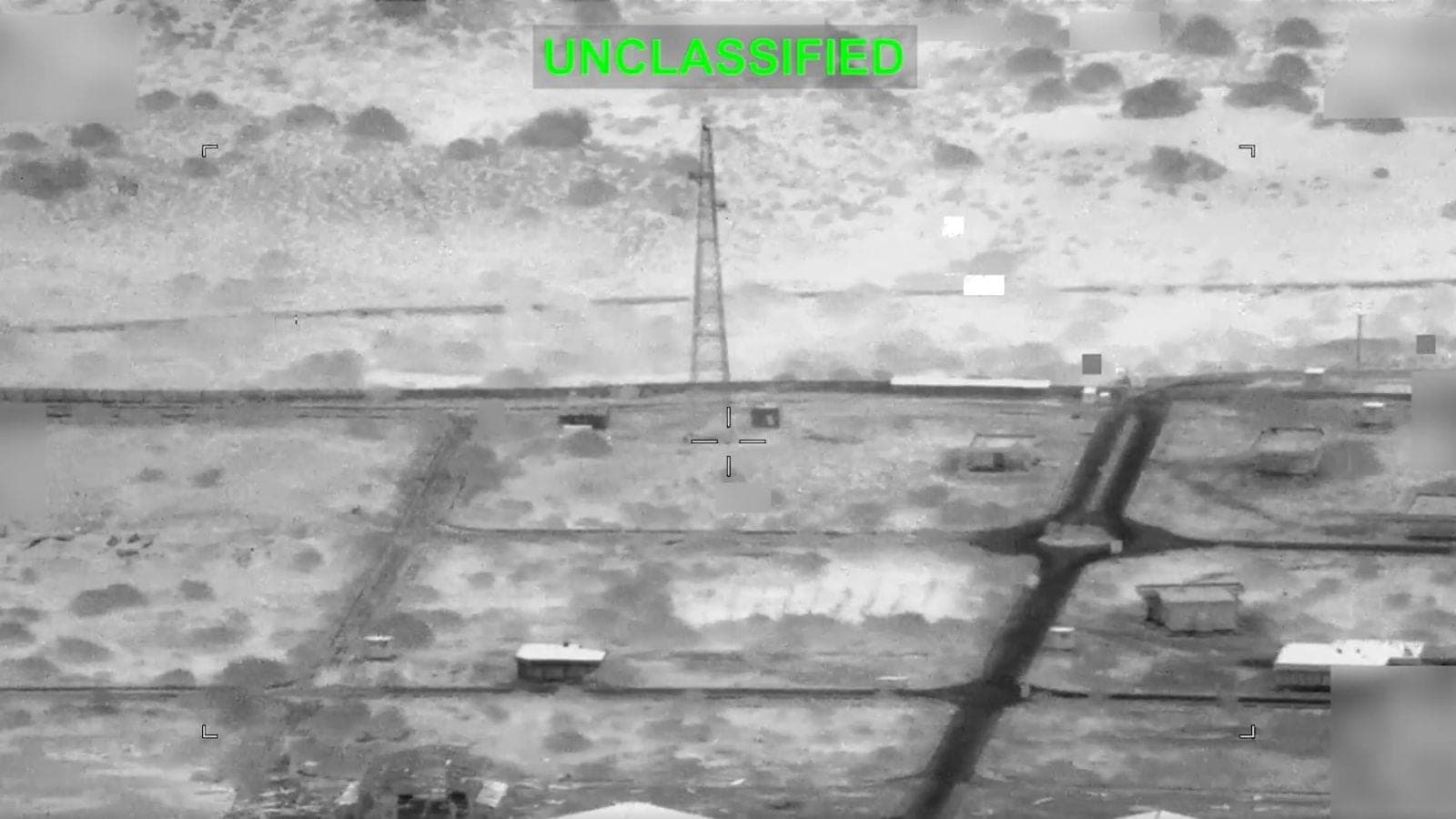
Tensions in the Gulf have spiked significantly after a series of aerial exchanges, leaving the long-standing regional ceasefire under immense pressure.
The fragile stability in the Middle East is facing its most significant test to date following a chaotic flare-up of hostilities between the United States and Iran near the strategic Strait of Hormuz. According to reports from the U.S. Central Command (CENTCOM), American forces intercepted four Iranian one-way attack drones that were perceived as an immediate threat to regional maritime traffic. In a subsequent retaliatory move, the U.S. military launched strikes against coastal surveillance radar sites along Iran’s southern coast, aiming to degrade Tehran’s ability to monitor or interfere with international shipping corridors.
The escalation was not limited to the maritime domain. CENTCOM reported that Iran launched seven ballistic missiles targeting regional allies in Kuwait and Bahrain. Initial assessments suggest that six of these projectiles were intercepted by defensive systems, while a seventh failed to reach its intended target. The situation took a tragic turn in Kuwait, where reports confirm that a drone strike on the country’s international airport resulted in at least one fatality. While Kuwaiti authorities have directly blamed Iran for the attack, Tehran has vehemently denied any involvement in the incident.
Conflicting Accounts and Regional Fallout
The narrative regarding the recent skirmishes remains deeply contested. While Washington maintains that its actions were defensive measures to protect the vital energy corridor of the Strait of Hormuz, Iranian naval officials offered a different version of events. Tehran claimed that its vessels fired warning shots at U.S. ships in the Gulf of Oman, alleging that the American side had been engaging in provocative harassment. CENTCOM has firmly denied these claims, further highlighting the deep-seated mistrust that persists despite ongoing diplomatic efforts.
For regional observers, these developments represent a dangerous departure from the relative calm that has defined the region since the initial ceasefire agreement was brokered in April. Although the truce has been extended multiple times, the recent intensity of the strikes suggests that the arrangement is increasingly tenuous. The violence has also had a direct human cost, with reports confirming that an Indian citizen was among those killed in the airport strike in Kuwait, adding a grim layer of international concern to the geopolitical standoff.
Diplomatic Hurdles in Washington and Tehran
Despite the volatility on the ground, high-level rhetoric remains cautiously optimistic. U.S. President Donald Trump described the situation as "going quite well," even as he acknowledged the significant difficulty of the ongoing negotiations. Administration officials, including those close to the White House, have previously suggested that the two sides were nearing a broader arrangement to permanently reopen the Strait of Hormuz to secure global energy supplies. However, whether such a deal can survive the current uptick in military activity remains the subject of intense debate among global policymakers.
As the conflict stretches into its 96th day, the international community is watching closely to see if this latest cycle of violence signals the total collapse of the April agreement or merely another hurdle in the path toward de-escalation. With both sides continuing to accuse the other of violating territorial integrity and maritime safety, the diplomatic window for a lasting resolution appears to be narrowing rapidly.
The PoliticalPedia Editorial Desk brings verified, sourced political news and analysis from across India.