Stalled US-Iran Talks Overshadowed by Escalating Clashes in Kuwait and Lebanon
US and Iran show little progress in talks after week of clashes
Diplomatic efforts to secure an interim peace deal remain deadlocked as regional flare-ups reach their most volatile point since the April ceasefire.
The delicate architecture of US-Iran diplomacy appears to be fraying, with negotiators reporting little progress after a week marked by the most significant military clashes since the April 8 ceasefire. While the White House maintains that negotiations are in their "final stages," the reality on the ground reflects a deepening regional crisis. The deadlock stems from a fundamental mismatch in priorities: Tehran is conditioning any broader agreement on an immediate ceasefire in Lebanon, while Washington continues to press for a two-month extension of the existing truce and the guaranteed reopening of the Strait of Hormuz.
A Surge in Regional Violence
The diplomatic stalemate reached a dangerous inflection point on Wednesday when Iranian forces launched a coordinated barrage of missiles and drones targeting Kuwait and Bahrain. The attack, which struck Kuwait’s main airport, resulted in the death of one individual and left dozens injured. This aggressive posturing followed a US military operation that targeted an oil tanker bound for Iran. Analysts note that these skirmishes represent the most severe violations of the current peace framework to date, pushing the region closer to the brink of a wider conflict.
The Lebanese Front
Simultaneously, the situation in southern Lebanon remains precarious. Despite the US State Department announcing a fresh ceasefire proposal earlier in the week, Hezbollah militants have publicly rejected the terms. While the group’s rocket fire into northern Israel has seen a slight decline, the violence has not ceased, with the Lebanese Health Ministry reporting at least eight fatalities from Israeli strikes. Israel, for its part, has exercised a degree of restraint by holding off on its previously threatened strikes against Beirut, even as tensions continue to simmer along the border.
Diplomatic Mixed Signals
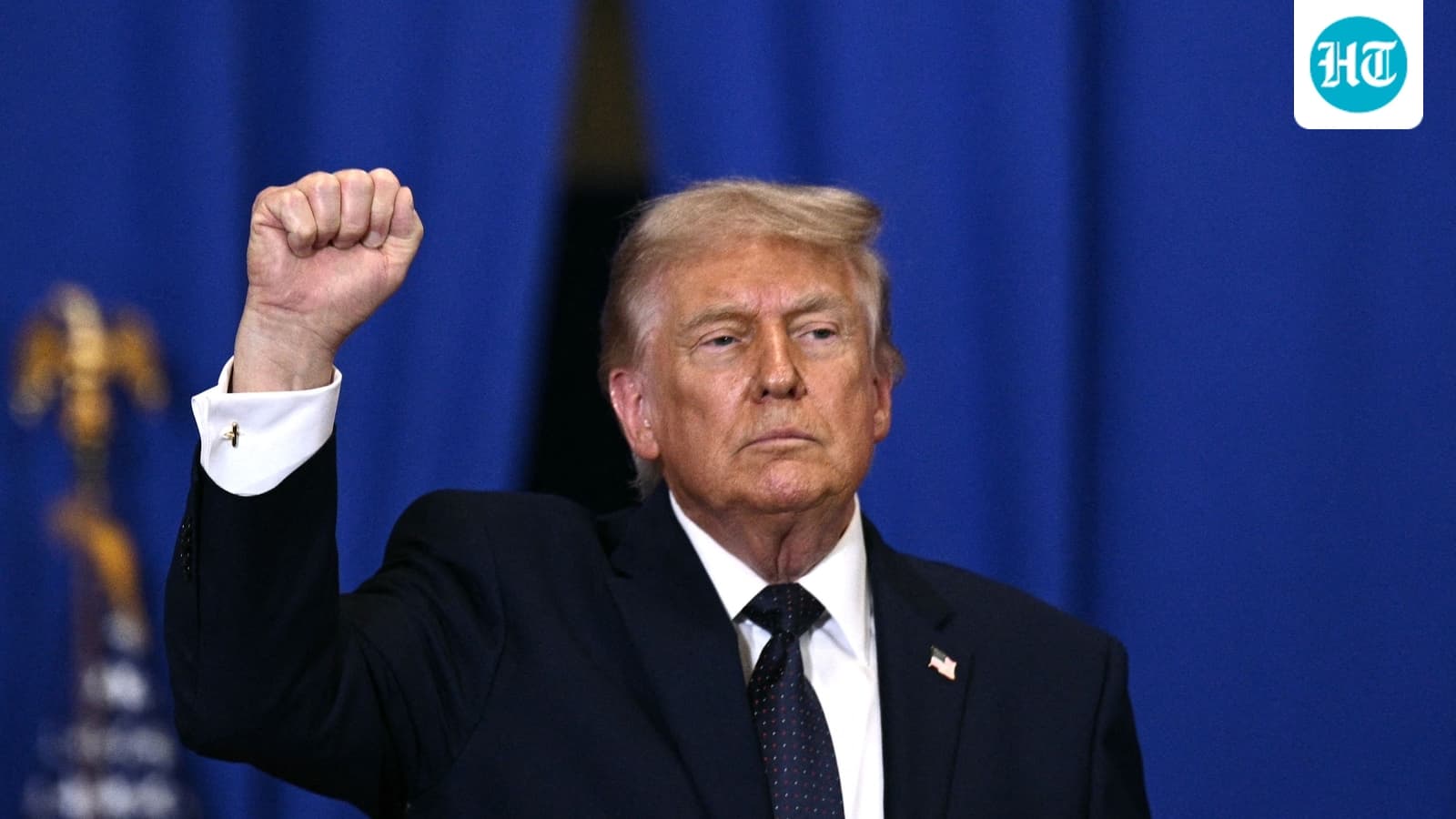
The rhetoric emerging from both Washington and Tehran continues to oscillate between optimism and stark dismissal. President Donald Trump, speaking from the Oval Office, insisted that the negotiations were moving forward, even claiming that Hezbollah had reached out to initiate a cessation of hostilities—a assertion that contrasts sharply with the group's public rejection of the US-brokered deal. Conversely, Iranian Foreign Minister Abbas Araghchi has been more tempered, stating that there has been "no tangible progress," though he acknowledged that communication channels between the two sides remain open through international mediators.
Economic Implications of the Deadlock
The uncertainty surrounding the talks is already rippling through global markets. Brent crude prices have nudged upward, hovering near $96 a barrel, while gold has seen a decline as investors react to the heightened risk profile. The Strait of Hormuz—the focal point of the current dispute—historically serves as a vital artery for approximately one-fifth of global oil supplies. With Iran refusing to yield on nuclear concessions or access to this waterway, the prospect of a frozen conflict looms, threatening long-term stability in global energy markets. Whether this week’s clashes mark a permanent breakdown or a final, desperate bargaining maneuver remains the primary question for global observers.
The PoliticalPedia Editorial Desk brings verified, sourced political news and analysis from across India.