Silicon Valley’s Panic Room: Inside the Private Chats Fighting California’s Wealth Tax
As June 25 Wealth Tax deadline nears, tech billionaires' chat groups go viral
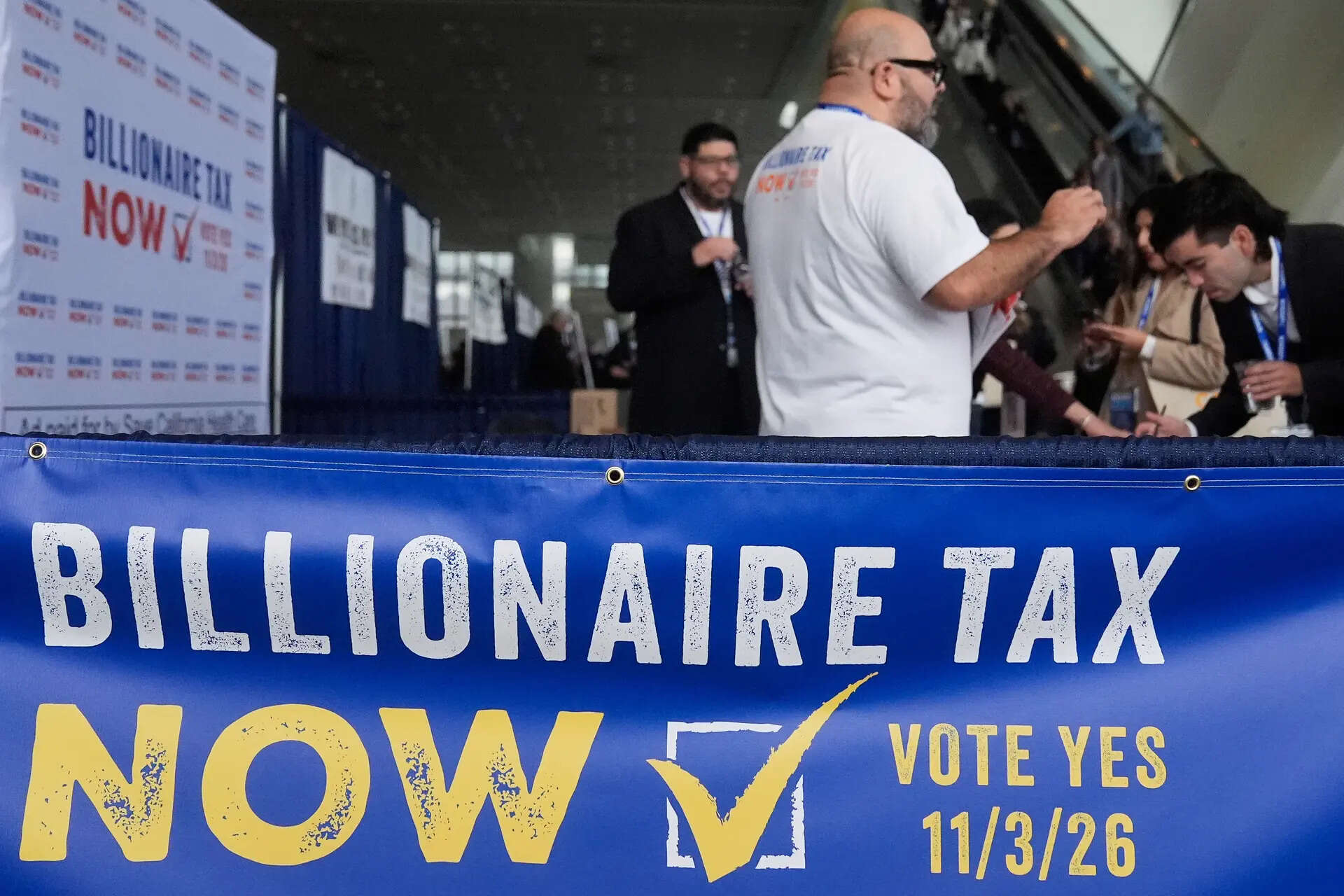
As the June 25 deadline looms, leaked messages reveal how tech titans moved from griping to blunt-force political maneuvering.
In the rarefied air of Silicon Valley’s inner circles, a simple Signal notification can trigger a geopolitical-level scramble. When news surfaced of a union-backed ballot measure aiming to claw back 5% of the net worth of California’s wealthiest, some of the most influential names in technology didn't just reach for their lawyers—they reached for their phones. The resulting chat threads, now public, offer a rare, unfiltered look at a billionaire class that seems as rattled as it is out of its depth.
The Strategy: Buy, Lobby, or Bust
The roster of participants reads like a who’s-who of global tech: Google’s Sergey Brin, Marc Andreessen, Stripe’s Patrick Collison, and Coinbase’s Brian Armstrong were all reportedly looped in. As the proposal—spearheaded by the SEIU United Healthcare Workers West to address federal funding gaps—gained momentum, the private conversations shifted from casual kvetching to high-stakes scheming.
Some suggestions were classic Valley hubris. One proposal floated in the chat was to simply buy the company responsible for collecting the signatures required to get the tax on the November ballot. It is a striking example of the “if there’s an impediment, buy it” philosophy that defines much of the tech sector's approach to friction. When that didn't materialize, the group turned to backing their own political candidates, pouring millions into attempts to sway local and state government.
Why the Tech Titan Playbook Failed
For all the collective firepower in that chat, the results have been underwhelming. The union successfully gathered 1.6 million signatures—nearly double the requirement—and polling suggests roughly 50% of voters support the measure. The billionaires’ hand-picked candidates fared even worse; San Jose Mayor Matt Mahan, a darling of the group, pulled a mere 3.7% in the June primary.
Infighting played a significant role in the campaign’s failure. As the deadline for the June 25 ballot qualification approaches, the fragmentation within the group—with some urging a softer approach toward the governor while others pushed for scorched-earth opposition—has left the tech lobby looking fractured. Some were vocal, firing off constant updates, while others lurked in the background, witnessing a group that has mastered the digital world struggle to translate that influence into traditional civic power.
The Bigger Picture
This episode highlights a widening disconnect between the insular, tech-centric world of Silicon Valley and the increasingly populist fiscal reality of California politics. When global elites attempt to solve public policy challenges using the same "move fast and break things" logic that built their platforms, they often find that the ballot box operates by a different set of rules than venture capital. The attempt to privatize political opposition hasn't just failed to stop the tax; it has arguably drawn more scrutiny to the very wealth gap the measure seeks to address. As the dust settles, the real lesson here isn't about tax rates—it’s about the limits of digital-age influence in a democratic process.
Kabir Sharma writes on culture, technology and everyday life for PoliticalPedia.