Shrinking Wallets, Smaller Packs: Why Indians are Shifting to Mini-Sized Purchases
Pocket-friendly packets: Why Indians are swapping big snack packs for smaller ones
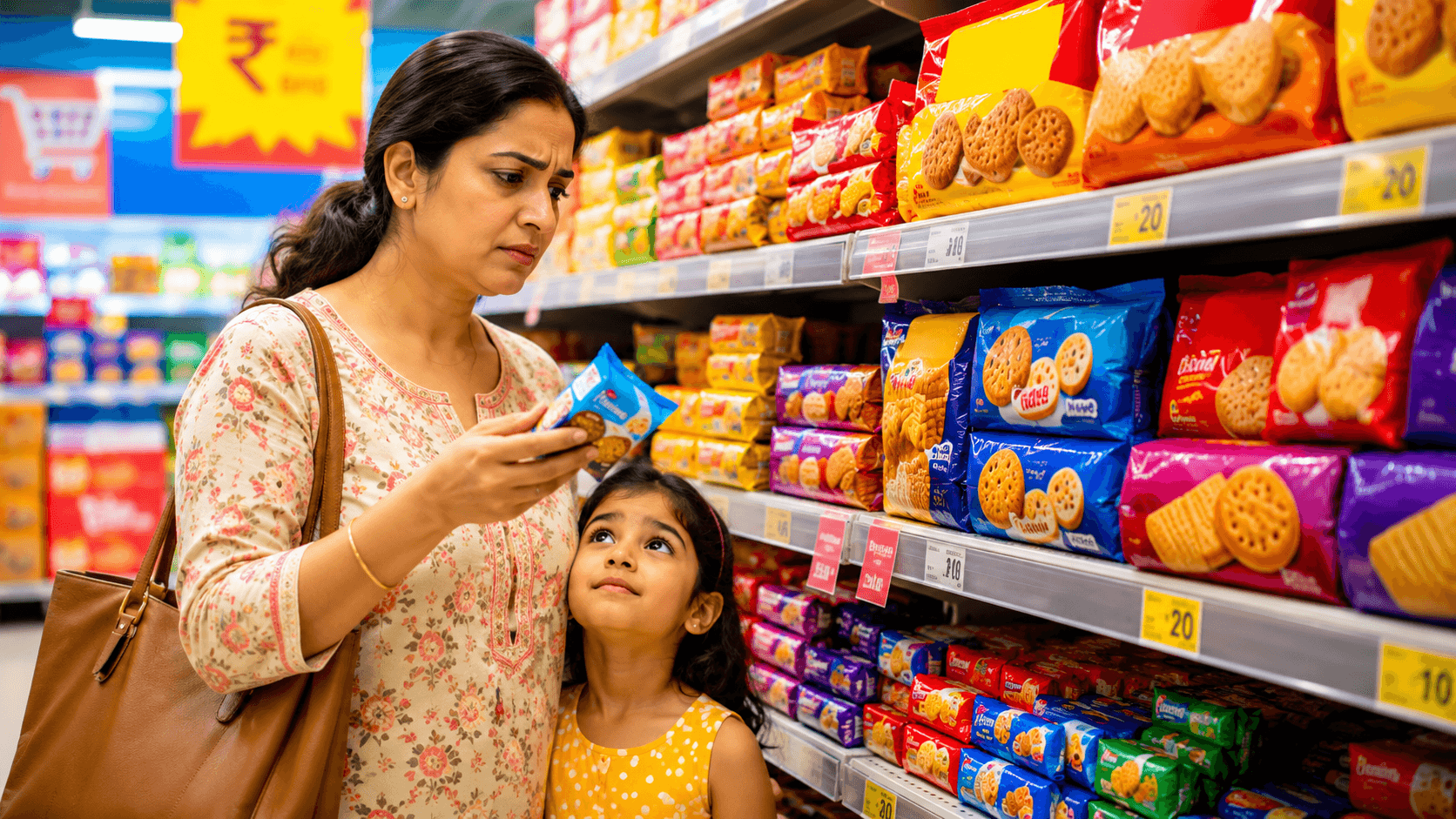
As inflation bites into household budgets, consumers across the country are ditching bulk buying in favor of affordable, pocket-sized alternatives for daily essentials.
The ripple effects of geopolitical instability, particularly the ongoing tensions in the Middle East, have traveled far beyond global oil markets to settle firmly on the shelves of local kirana stores. With rising crude oil prices inflating production and logistics costs, Indian consumers are increasingly recalibrating their monthly budgets. Data indicates a clear trend: shoppers are moving away from family-sized packs in favor of smaller, pocket-friendly units priced between Rs 5 and Rs 20.
A Strategic Shift in Consumption
This change in buying behavior has become pronounced since the start of the current financial year. Industry data reveals that sales of smaller packs are now growing 4-10 percentage points faster than they did in the January-March quarter. From staples and edible oils to personal care products like soaps, detergents, and shampoos, the preference for these mini-packs is surging across all major categories.
For many households, the logic is simple: while the cost of living has already climbed, smaller packs offer a way to manage cash flow without sacrificing the consumption of essential goods. Business leaders have observed that this trend is not merely a passing phase but a direct response to the inflationary pressure felt by the average Indian family.
Industry Response to Rising Costs
FMCG manufacturers are feeling the heat as well. Beyond the rising cost of raw materials, packaging expenses have also escalated, forcing companies to implement price hikes of 4-10% across various segments since April. To maintain their presence in the market while keeping products affordable, many brands are opting for "shrinkflation"—reducing the grammage of products within these smaller, popular price points to keep the retail price stable for the end user.
The manufacturing sector is actively adjusting its supply chains to match this demand. At AWL Agri Business, for instance, the appetite for 200 ml and 500 ml edible oil packs has seen a sharp uptick. "Sales of smaller packs have gone up in the last couple of months, growing 8-10% higher this quarter as compared to the previous one," noted Angshu Mallick, executive deputy chairman at the company. To keep up with this shift, the firm has already dedicated new production lines specifically for these smaller unit sizes.
Why This Matters
This transition highlights a pivotal moment for the Indian retail landscape. When discretionary spending power is squeezed, the "sachet economy" often becomes a barometer for the broader economic mood. By prioritizing smaller packs, consumers are essentially engaging in a form of forced austerity, ensuring that they can still access daily necessities even as the cost of bulk purchasing remains prohibitive. As global supply chain pressures persist, it is likely that manufacturers will continue to lean into these smaller, high-velocity stock-keeping units to sustain sales volume and retain price-sensitive customers.
The PoliticalPedia Editorial Desk brings verified, sourced political news and analysis from across India.