Shashi Tharoor Defends Rahul Gandhi for PM Post, Cites Obama to Counter Historian’s Criticism
Shashi Tharoor Defends Rahul Gandhi For PM Post After Historian's Criticism, Cites Obama
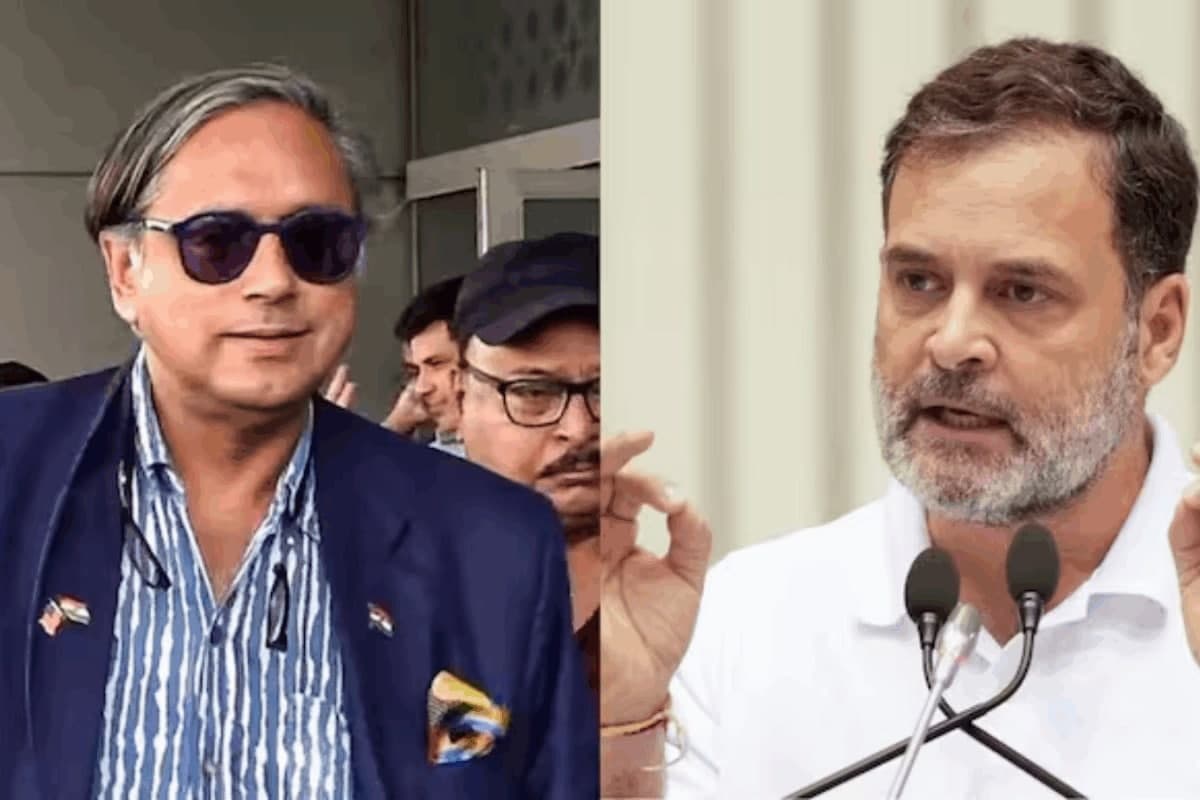
Congress leader Shashi Tharoor has pushed back against Ramachandra Guha’s critique of Rahul Gandhi’s leadership credentials, invoking international precedents to argue that prior executive experience is not a prerequisite for the premiership.
The debate over Rahul Gandhi’s suitability for the office of Prime Minister has taken an intellectual turn, with Congress MP Shashi Tharoor engaging in a public rebuttal of noted historian Ramachandra Guha. The discourse was triggered by recent remarks from Guha, who questioned whether the Leader of the Opposition possesses the necessary administrative and foreign policy exposure to helm the country, suggesting his political standing relies more on his lineage than on proven credentials.
Challenging the ‘Experience’ Benchmark
Tharoor, known for his articulate presence in the political arena, dismissed the critique as an unfair assessment of what defines leadership. Taking to social media, Tharoor argued that administrative history—specifically the traditional path of serving as a Chief Minister or cabinet minister—should not be the sole yardstick for determining a candidate’s fitness for the highest office.
In a direct address to the historian, Tharoor cited the example of Barack Obama. He pointed out that when Obama was elected President of the United States, he was a first-term Senator from Illinois with limited experience in world affairs, yet he assumed leadership of the world's most powerful nation during a period of immense global turbulence.
A Question of Precedent
The argument put forward by Tharoor goes beyond international comparisons. He also turned the lens toward domestic politics, challenging the weight placed on executive experience by questioning the international exposure of other prominent Indian leaders before they ascended to national power. By invoking the tenure of the Chief Minister of Gujarat, Tharoor sought to highlight what he perceives as a double standard in how Gandhi’s readiness for the PM post is scrutinized by critics.
For the Congress party, this defense is part of a broader effort to frame Gandhi as a seasoned politician who has evolved through his roles within the party hierarchy. Tharoor emphasized that Gandhi has led a major national political party for over a decade, a period during which he has cultivated extensive relationships with political figures across the globe, effectively bridging the gap between his critics’ claims and his actual operational experience.
The Broader Political Context
The timing of this exchange is significant as the political discourse in India shifts toward long-term leadership projections. While historians like Guha often emphasize the necessity of governance experience to manage the complexities of a nation like India, supporters of the Congress leader maintain that political acumen, public outreach, and the ability to build consensus are equally vital traits for a Prime Minister.
This ongoing debate underscores the fundamental tension in Indian political thought: whether the premiership requires a specific resume of bureaucratic governance or if it is better defined by the ability to navigate national movements and international diplomacy. As the rhetoric between intellectuals and politicians intensifies, the question of what qualifies a candidate for the PM post remains a pivotal, yet unresolved, issue in the national conversation.
The PoliticalPedia Editorial Desk brings verified, sourced political news and analysis from across India.