Shadows over the Himalayas: China’s relentless missile tests and India’s strategic response
China's ballistic missile test: How India can defend against such an attack — and strike back
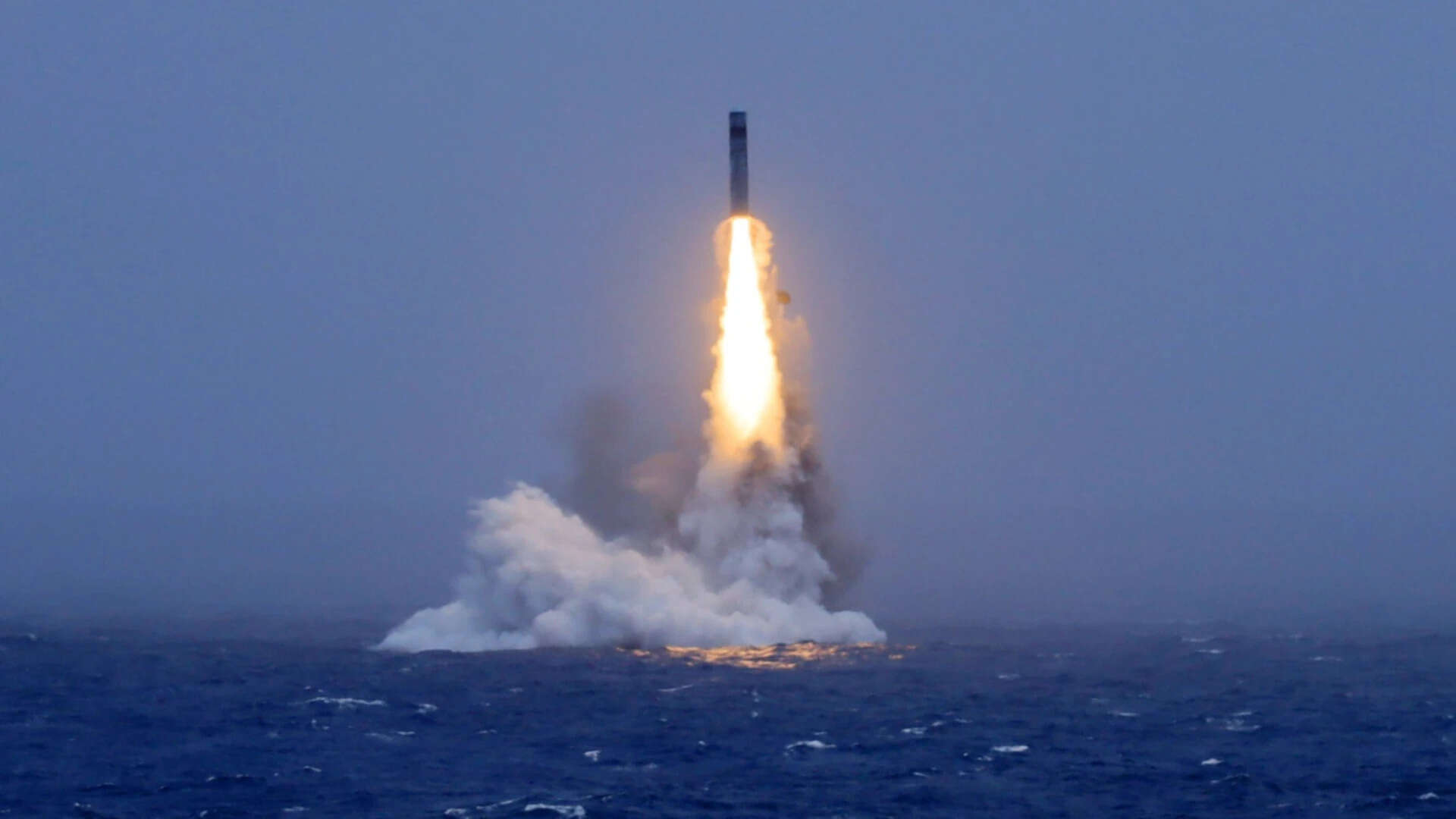
As Beijing accelerates its submarine-launched ballistic missile program, New Delhi is recalibrating its own nuclear triad to counter an evolving threat in the Indo-Pacific.
The sight of a ballistic missile punching through the clouds during a joint naval drill with Russia is no longer an anomaly; it is China’s new normal. When the People’s Liberation Army–Navy (PLAN) fired a missile from a Type-094 Jin-class submarine earlier this week, it wasn't just a routine demonstration. It was a calculated message, marking at least the tenth major ballistic missile test Beijing has conducted in the last decade. From the DF-17 hypersonic glide vehicle in 2021 to the long-range ICBM launch into the Pacific this past September, the pattern is clear: China is rapidly modernizing its nuclear reach.
The recent launch saw the missile travel roughly 6,000 km, a distance that, while shy of the JL-2’s maximum 7,200 km range, signals significant progress. With six Jin-class vessels already in service—each packing up to a dozen tubes—and the more advanced Type-096 Tang-class submarines in the pipeline, Beijing is securing a credible second-strike capability. For India, this isn't just about regional posturing; it is about the cold reality of a tripolar nuclear age where the margin for error is shrinking by the day.
A changing strategic landscape
India has not been idle while these tests unfolded. The success of the Agni-P missile and consistent advancements in Ballistic Missile Defence (BMD) systems show a military pivot aimed at maintaining a credible deterrent. Observers at the International Institute for Strategic Studies note that the nature of warfare in Asia is shifting; it is no longer about static defenses but about mobile, survivable, and rapid-response capabilities. While reports circulate about India’s nuclear warhead deployment and the mastery of the Agni series, the challenge remains: keeping pace with a neighbor whose missile inventory is growing in both quantity and sophistication.
Why it matters
The bigger picture here is the transition from localized border tensions to a high-stakes maritime and nuclear competition. When a nation tests "carrier killers" like the DF-26 or showcases multiple warhead capabilities, it forces every neighbor to rethink their defense architecture. India’s focus on rail-based launches and cruise missile integration isn't just about responding to a specific strike; it is about creating a cost-effective shield that makes the price of aggression prohibitively high for an adversary. The shift toward scenario-based planning suggests that Delhi is preparing for a reality where the next conflict could start with a digital or infrastructural blackout before a single missile ever breaches the atmosphere.
The road ahead
Balancing the books in a nuclear-armed neighborhood is a precarious task. As China continues to test the limits of international waters and its own technological boundaries, India’s path forward lies in the intersection of missile mastery and intelligence-driven deterrence. The question is no longer just how India can defend against such an attack, but how it can strike back decisively enough to ensure that the deterrence holds. As the geopolitical friction in the Indo-Pacific intensifies, the quiet, persistent work in India’s defence labs will likely dictate the balance of power for the next generation.
Priya Nair covers parties, elections and the business of power for PoliticalPedia.