Beyond the Act-East: How the India-Indonesia Strategic Pivot Reshapes the Indo-Pacific
PM Modi in Indonesia: India-Indonesia Strengthen Strategic Partnership with New Agreements
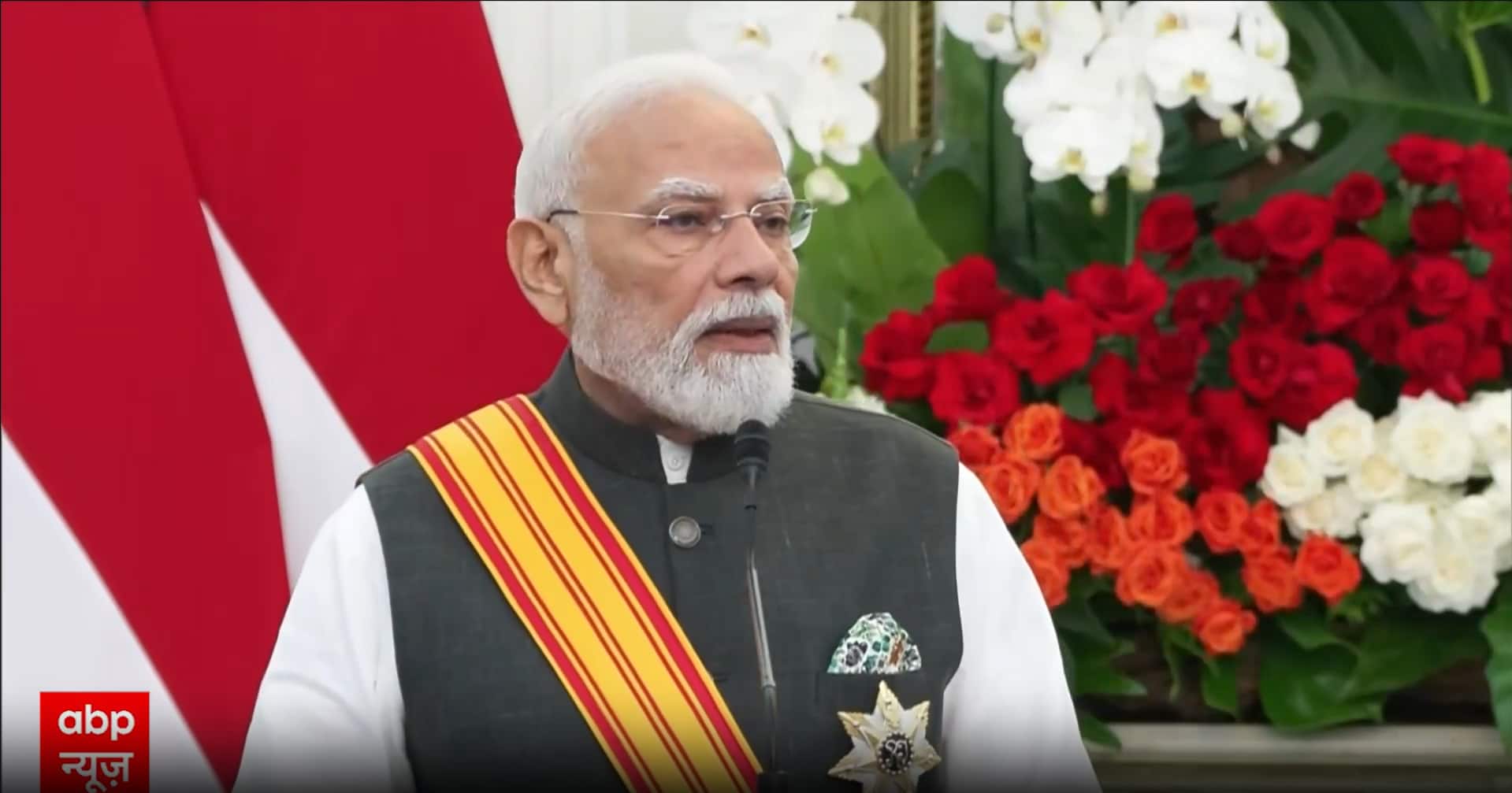
As PM Modi touches down in Jakarta, a flurry of high-stakes agreements—from BrahMos missiles to IIM campuses—signals a definitive shift toward a deeper, multi-dimensional alignment.
The red carpet rolled out for PM Modi in Jakarta was more than a ceremonial gesture; it was the backdrop for what officials are calling a "golden era" in ties. While the optics of the visit were dominated by the conferment of Indonesia’s highest civilian honour, the Bintang Adipurna, the substantive outcomes tell a sharper story. India and Indonesia are moving to strengthen their strategic partnership through new agreements that bridge the gap between traditional diplomacy and hard-edged security cooperation.
For the first time, the bilateral conversation has moved squarely into the security and tech domains. The confirmation of defence deals, including the export of BrahMos supersonic cruise missiles and Astra air-to-air missiles, underscores a maturing relationship. By agreeing to work on the development of the Sabang port, both nations are sending a clear message about their shared interests in securing critical maritime lanes. This is no longer just about regional trade; it is about establishing a joint footprint in the Indo-Pacific.
Bridging Tech and Trade
Beyond the hardware, the visit hit practical notes for the average citizen and business owner. The decision to integrate India’s Unified Payments Interface (UPI) with Indonesia’s local payment systems is a strategic play to facilitate seamless tourism and cross-border commerce. Simultaneously, the promise of an IIM Bengaluru campus in Indonesia marks a significant export of Indian higher education, aiming to cater to the ASEAN youth demographic.
New agreements in critical minerals, steel, and rare earth magnets are clearly designed to insulate supply chains from volatility. By sharing technology and fostering joint research in the space sector, New Delhi and Jakarta are moving to reduce their dependency on external providers, opting instead for a self-reliant, intra-regional framework.
Why it matters
The broader picture here is India’s calculated effort to move past rhetoric in its "Act East" policy. By embedding itself in Indonesia’s digital infrastructure and defense supply chain, India is carving out a role as a reliable security provider and tech partner in the Global South. The collaboration on election cooperation and EVM technology, coupled with a shared democratic mandate, positions the two nations as a counterweight to regional hegemony. As Modi moves to the next legs of his three-nation tour, this Jakarta leg acts as a template: a blend of cultural soft power—seen in the conservation efforts for the Prambanan Temple—and cold, hard strategic asset sharing.
The challenge now lies in execution. While the intent to share defense technology and integrate financial systems is ambitious, the timeline for these projects will determine if this "golden era" becomes a lasting pillar of regional stability or remains a collection of high-profile promises.
Priya Nair covers parties, elections and the business of power for PoliticalPedia.