Strait of Hormuz on Edge: Tanker Fire and Rising Regional Hostilities
HORMUZLIVE: Strait of Hormuz Tensions | US Accuses Iran After Tanker Fire Near Oman
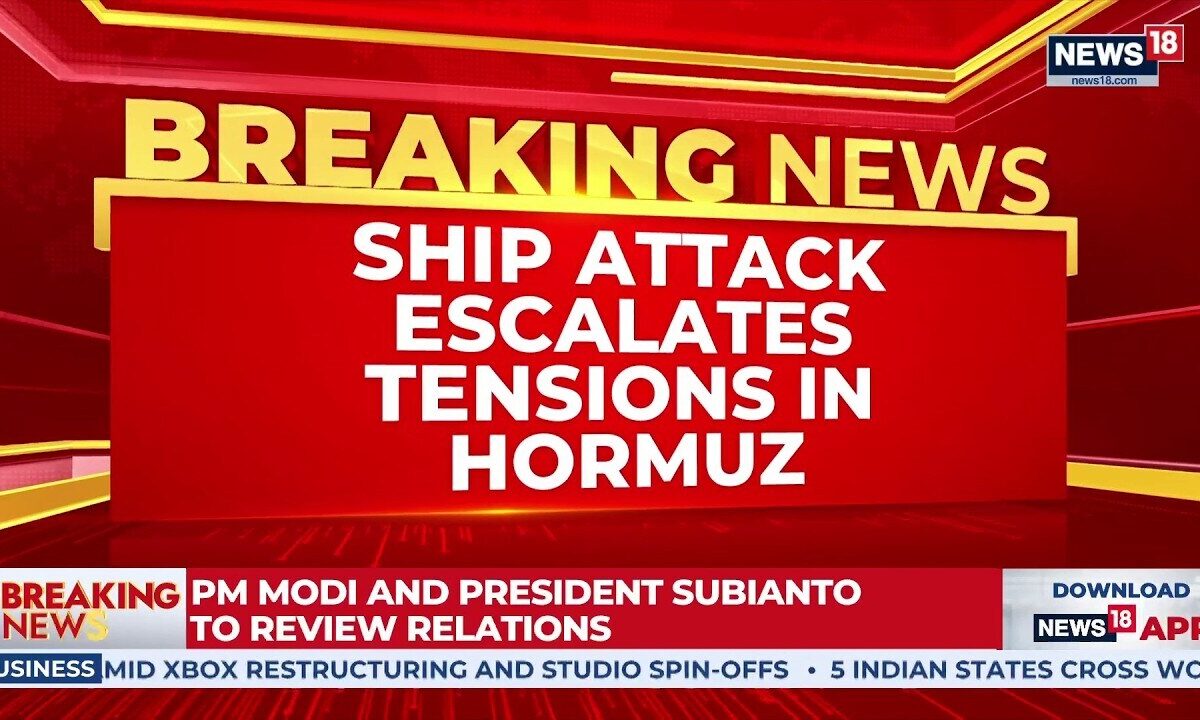
A burning vessel near Oman and renewed military threats have plunged the Gulf into a volatile state of uncertainty as the U.S. points fingers at Tehran.
The maritime calm in the Gulf has shattered. A tanker fire near Oman has triggered a fresh wave of #hormuzlive updates, as the U.S. accuses Iran after the incident, further inflaming the #strait of #hormuz tensions. With reports filtering in from global observers, the situation is rapidly evolving from a localized maritime emergency into a broader geopolitical flashpoint.
The incident comes at a time when the region is already reeling from fresh reports of missile and drone strikes—the first such activity in weeks—targeting the UAE. Simultaneously, international media outlets are tracking a significant escalation in rhetoric, with reports indicating that the U.S. has renewed threats of military action against Iran. While cricket fans might be scrolling through the latest https://www.news18.com/cricket/ results and #movies enthusiasts look for their next watch, the security apparatus in the Middle East is on high alert.
The Escalation Cycle
This latest flare-up isn't happening in a vacuum. Regional reporting, including from sources like Dawn, suggests that military strikes involving both Israel and the U.S. are now being met with direct retaliation. For traders and energy markets, the #tanker fire near Oman is a chilling reminder of how vulnerable the world’s most critical oil chokepoint has become.
The U.S. assertion that Iran is behind the latest maritime provocation follows a pattern of heightened suspicion. However, Tehran has historically denied such allegations, framing the U.S. and its allies as the true aggressors. As the #world watches, the lack of a clear, verifiable timeline on the fire has only added to the confusion, leaving global shipping companies to scramble for safety protocols in the Persian Gulf.
Why it matters
The broader implications here are stark. We are looking at a classic security dilemma: every move toward deterrence by one side is being perceived as an act of war by the other. If the Strait of Hormuz—the vital artery for global energy—becomes a theatre for sustained kinetic conflict, the economic shockwaves will be felt far beyond the Middle East, including in India’s energy-dependent markets.
Historically, tensions in this region follow a cycle of provocation, denial, and posturing. What makes this moment different is the explicit nature of the threats emanating from Washington. When global powers signal a return to "finishing the job" militarily, the margin for diplomatic error vanishes. For now, the region remains trapped in a volatile loop where a single miscalculation at sea could trigger a conflict that no one claims to want, but everyone seems prepared to fight.
Arjun Mehta reports on government, policy and Parliament for PoliticalPedia, in English and Hindi.