Robotic Arm Repair: Two NASA Astronauts To Take A 7-Hour Spacewalk Outside ISS On June 30
Two NASA Astronauts To Take 7-Hour Spacewalk Outside ISS On June 30: What They Will Do
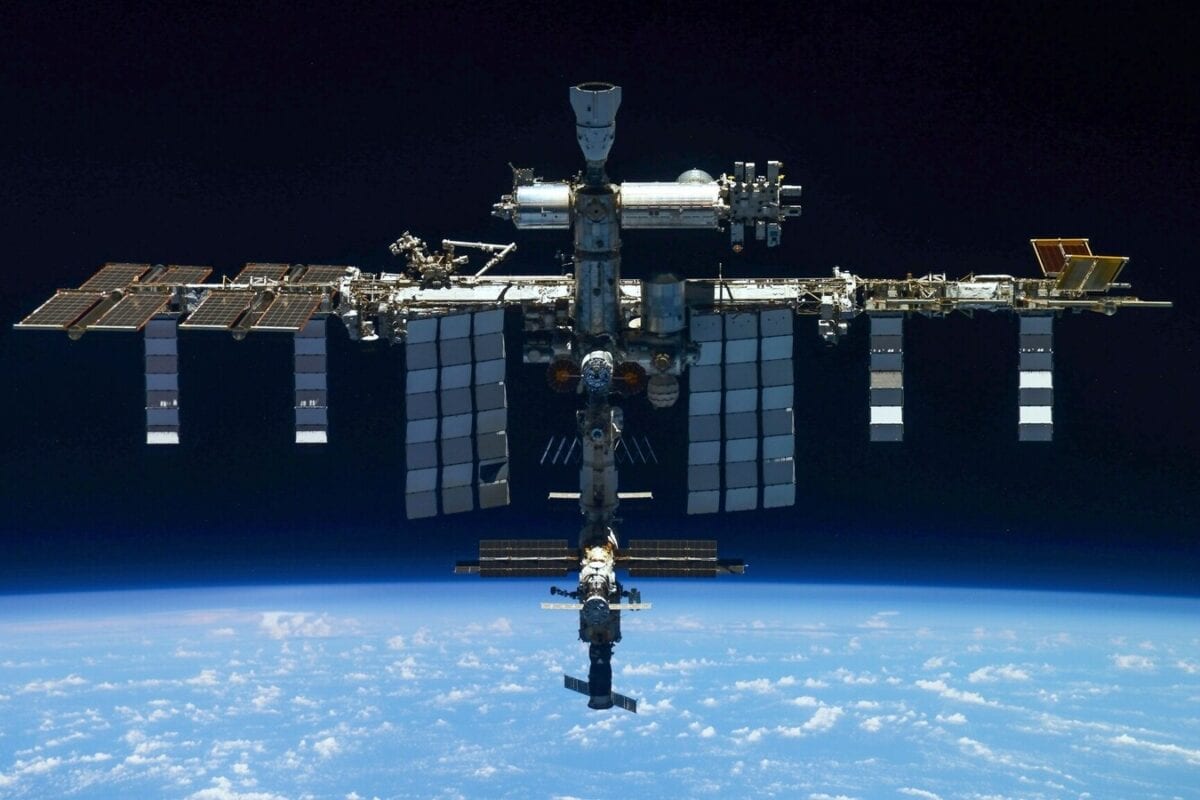
Jessica Meir and Chris Williams are gearing up for US Spacewalk 95, a critical mission to restore the functionality of the station’s primary robotic handler.
High above the Earth, the International Space Station (ISS) relies on a mechanical backbone that rarely gets the spotlight until something goes wrong. On June 30, NASA astronauts Jessica Meir and Chris Williams will venture outside the orbiting laboratory for a seven-hour mission, designated US Spacewalk 95. Their primary goal is to perform complex surgery on Canadarm2, the station’s essential robotic arm, which has been hampered by a malfunctioning wrist joint since late May.
The mission is scheduled to begin with the astronauts exiting the Quest airlock at approximately 8:35 am EDT (6:05 pm IST). For those following the mission from India, live coverage is slated to start at 7 am EDT, giving viewers a front-row seat as the duo attempts to restore the arm that handles everything from cargo docking to assisting crew members during their own extravehicular activities. NASA has confirmed that the stream will be accessible across multiple platforms, including YouTube, Amazon Prime, and Netflix.
A Repeat Performance in Orbit
This outing marks the second time Meir and Williams will work in tandem outside the station this year. Their previous collaboration on March 18 lasted just over seven hours, during which they focused on upgrading the station's power grid by preparing for new roll-out solar arrays. While Meir is a veteran of four such excursions, the upcoming repair represents a high-stakes test of the station's maintenance capabilities. The urgency stems from the May 27 incident, where the robotic arm’s wrist joint developed a fault that sidelined its full range of motion.
Why It Matters: The Longevity of Space Assets
The necessity of this repair highlights a reality often overlooked in the race for space exploration: the ISS is aging. While we talk about future commercial missions and deep-space travel, the station relies on constant, hands-on intervention to stay functional. The Canadarm2 is not just a tool; it is the station’s primary "hand" for docking visiting spacecraft and moving heavy equipment. Without it, the operational efficiency of the ISS drops significantly.
As the station prepares for its eventual transition into a more commercialized role, these "space walk" maintenance jobs become more than just routine repairs—they are stress tests for how human crews will manage infrastructure in orbit long-term. This mission serves as a reminder that the transition to future space ventures requires keeping existing, vital infrastructure in peak condition despite the harsh, unforgiving environment of low Earth orbit.
Rohan Gupta covers the economy, markets and companies for PoliticalPedia.