Beyond the Scorched Earth: Scientists Finally Reset the Timer on Our Planet’s Green Life
Timer on Earth's plants? New scientific model finally has a timeline
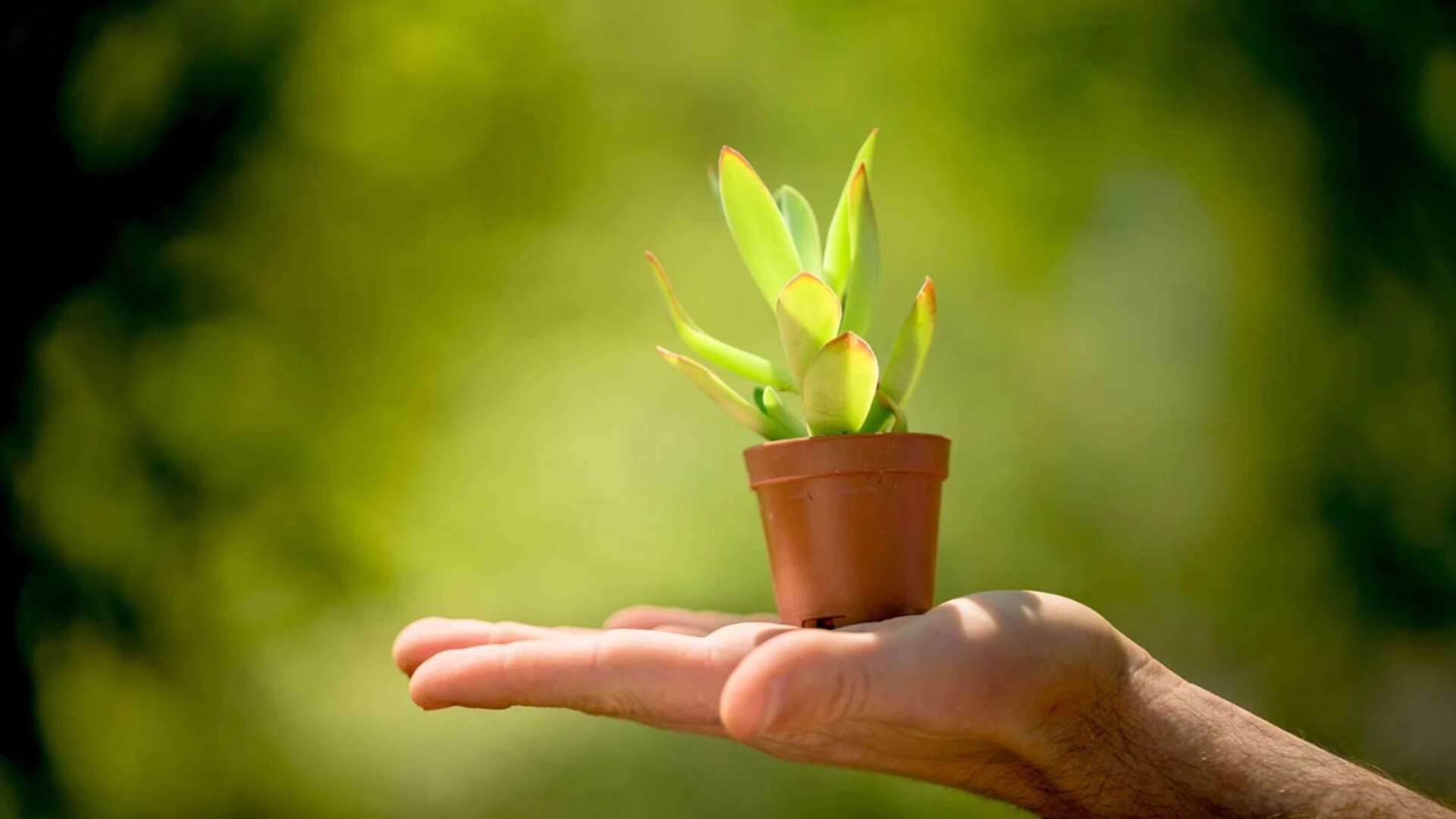
New research suggests our forests and grasslands have a much longer future than previously assumed, shifting our understanding of Earth’s final chapter.
We often imagine the end of the world as a cinematic spectacle—the sun bloating into a red giant, swallowing the inner planets in a final, fiery gulp. It is a dramatic image that has dominated our collective anxiety for decades. Yet, when we zoom in on the actual mechanics of our biosphere, the reality is far more nuanced. For a long time, the prevailing wisdom in the scientific community held that Earth’s plants would vanish long before the sun’s ultimate expansion, choked out by a warming planet. Now, fresh data is challenging that grim timeline.
A study published in the Journal of Geophysical Research: Atmospheres by Jacob Haqq-Misra and Eric Wolf of Blue Marble Space offers a much brighter outlook. Using advanced climate and biosphere models, the team has calculated that photosynthetic life—our forests, grasslands, and every green thing in between—could survive for another 1.8 to 2 billion years. This is a massive extension of the previous estimates, suggesting that the "natural" history of our planet is far from its final act.
The Heat and the Greenhouse Factor
The science behind this timeline is a delicate balancing act between the sun’s luminosity and Earth’s internal temperature control. The sun’s energy output climbs by about 10% every billion years, slowly turning up the dial on our global thermostat. However, this is not a straight line to extinction. The real variable in this equation is carbon dioxide (CO2).
Earth maintains its atmosphere through a slow-motion dance called silicate weathering. Rain and rocks work together to pull CO2 from the air, sequestering it into the oceans as calcium carbonate. This carbon is eventually recycled back into the atmosphere via volcanic activity. It is a planetary feedback loop that has kept life viable for eons. While human-induced climate change is an immediate and urgent concern, this new model looks at the long-range history of our planet’s ability to regulate its own chemistry.
Why it matters: A New Perspective on Time
This discovery does more than just give us a slightly longer lease on life; it forces us to rethink the life-cycle of a habitable planet. For years, scientists have been piecing together the history of our world—from the mystery of missing geological eras to the evolution of the first sponges—to understand how life persists in extreme conditions. By finally pinning down a more accurate timer for the biosphere, we aren't just looking at the end; we are gaining a better understanding of what makes a planet "green" in the first place.
Whether it is the evolution of birds or the complex history of our magnetic field, these insights remind us that Earth is a dynamic, resilient system. While the sun will eventually call the shots, the fact that life has nearly two billion more years of runway is a stark reminder that our current environmental challenges, however severe, are occurring within a much larger, more robust geological framework. We may not need to panic about the end of the salad just yet, but we do need to respect the delicate, long-term cycles that keep this planet breathing.
Priya Nair covers parties, elections and the business of power for PoliticalPedia.