Return, Decline, Or Pivot? The Three Things That Happen To BJP Exits—And Where Annamalai Fits
Return, Decline, Or Pivot? The Three Things That Happen To BJP Exits—And Where Annamalai Fits
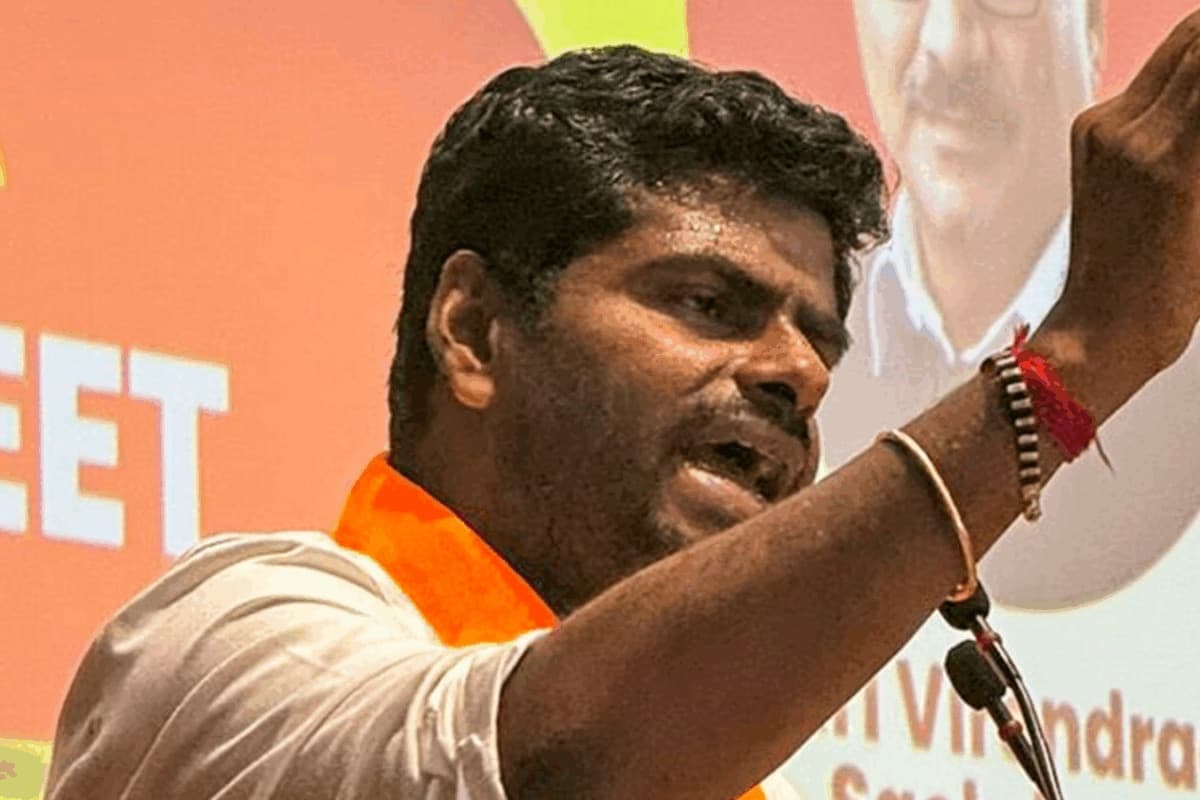
As K. Annamalai steps away from the Tamil Nadu BJP leadership, the regional political landscape faces a structural shift that tests the party’s long-term southern strategy.
The resignation of K. Annamalai from his post as the Bharatiya Janata Party’s Tamil Nadu state unit chief has triggered a significant realignment in southern politics. Following his departure, the state unit saw immediate administrative changes, with State Vice President Karu Nagarajan and State Secretary Sumathi Venkatesh also stepping down. For a party that has historically struggled to gain a foothold in the Dravidian-dominated state, Annamalai’s exit marks a cooling of the combative, "Tamil-first" political style he championed.
A Modern Paradigm for Political Exits
Analysts often study the "three things that happen to BJP exits" to understand the potential futures of departing leaders. Historically, the party has seen three distinct patterns: a return to the fold after a period of independence (as seen with B.S. Yediyurappa or Uma Bharti), a slow decline in national influence (seen in figures like Yashwant Sinha), or a pivot to opposition coalitions (as in the case of Shankersinh Vaghela).
However, Annamalai’s situation presents a unique case. Unlike many of his predecessors, his career was built on high-octane grassroots engagement rather than long-standing ideological inheritance. Reports suggest that his departure is less about a total break and more about a strategic disagreement over the party’s alliance trajectory, specifically regarding the AIADMK’s demand for his removal as a prerequisite for reconciliation.
The Strategic Fallout in Tamil Nadu
The friction between Annamalai and the central leadership became palpable as the 2026 assembly elections approached. While he was once credited with raising the BJP’s vote share from 3.7% in 2019 to 11.4% in the 2024 Lok Sabha polls, that momentum stalled. The subsequent decision to replace him as state president with Nainar Nagenthran and the exclusion of his name from key election committees signaled his marginalisation.
For the AIADMK, Annamalai’s exit was a necessary "pound of flesh" to secure a possible NDA alliance. The Dravidian party had previously severed ties with the BJP due to Annamalai’s harsh critique of icons like M.G. Ramachandran and J. Jayalalithaa. With the rise of actor Vijay’s Tamilaga Vettri Kazhagam (TVK), which disrupted the traditional power balance in the recent assembly polls, both the BJP and the AIADMK are now scrambling to stabilise their electoral prospects in a landscape where the DMK remains a formidable incumbent.
Future Trajectories
Annamalai’s next steps remain the subject of intense speculation. While there is talk of him launching a new, centrist political outfit, he has framed his Delhi meetings as a "gesture of gratitude" toward the leadership. His ability to maintain a public profile despite being sidelined suggests he may avoid the path of fading significance altogether.
Whether he chooses to eventually integrate back into the parent party or chart an entirely independent course, his exit underscores the difficulty of balancing aggressive, disruptive regional expansion with the pragmatic, alliance-driven requirements of national political strategy. For now, the Tamil Nadu BJP is in a state of reset, attempting to mend bridges with regional allies while searching for a new face that can command the same level of street-level traction that defined the "Singham" era.
The PoliticalPedia Editorial Desk brings verified, sourced political news and analysis from across India.