Resetting Ties: Nepal Foreign Minister Khanal Calls for Open-Hearted Diplomacy to Resolve India Border Row
Nepal wants to resolve boundary row with India through diplomacy, open heart: Khanal
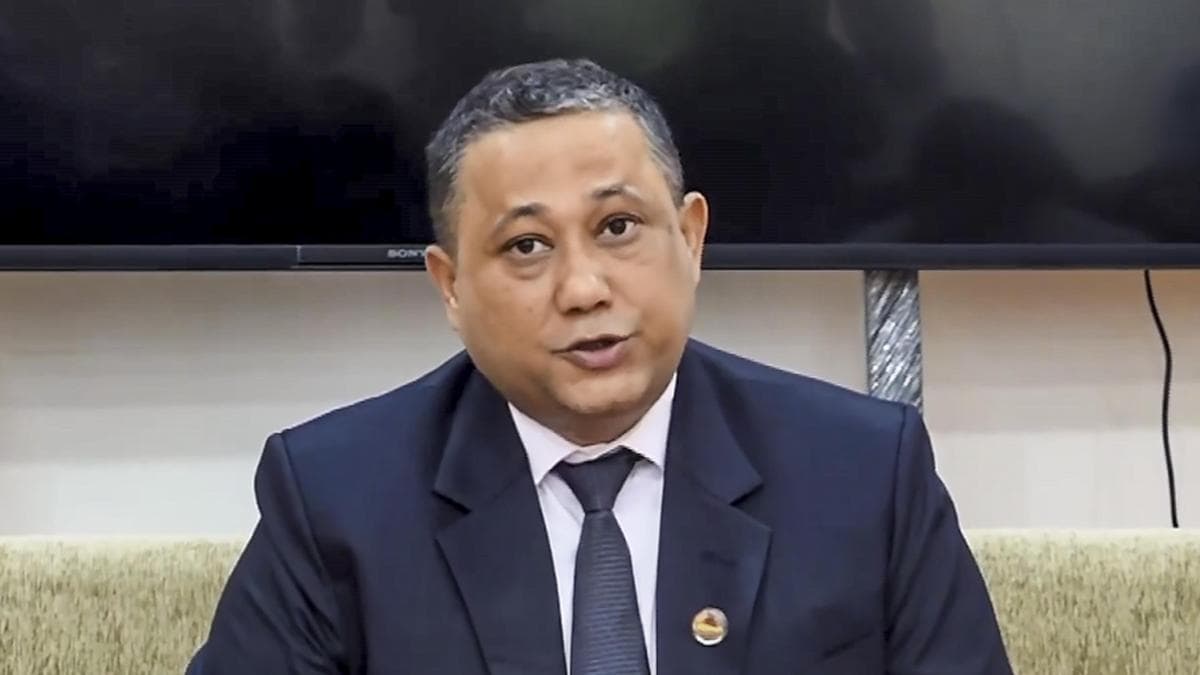
Amidst a cloud of diplomatic friction, Nepal’s Foreign Minister Shishir Khanal has pivoted toward a pragmatic reset, prioritizing economic cooperation over historical boundary disputes.
The diplomatic air between New Delhi and Kathmandu appears to be clearing as Nepalese Foreign Minister Shishir Khanal concludes a high-stakes three-day visit to India. Speaking at a media interaction on Sunday, Khanal emphasized that the current administration in Kathmandu is keen to move beyond the "hyper-sensitive lens of 21st-century geopolitics." His visit, aimed at realigning bilateral relations, serves as a strategic cooling-off period following a storm of controversy sparked by Prime Minister Balendra Shah’s recent, contentious remarks regarding the shared border.
Moving Past the "Old Baggage"
The core of the Nepalese minister's message was a commitment to resolve the long-standing border row through direct, bilateral diplomacy. By dismissing the need for third-party mediation—a stance India has firmly maintained following calls for international intervention—Khanal signaled a return to traditional, state-to-state dialogue. "No problem is too large and no boundary too complex when we sit down with an open heart," Khanal said, framing the path forward as one driven by data rather than hyper-nationalistic grandstanding.
This "reset" push is particularly significant given the political backlash Prime Minister Shah faced domestically after suggesting that international actors, including the UK and China, should be involved in boundary negotiations. New Delhi’s rejection of any third-party role, coupled with the internal pressure in Nepal to clarify those comments, created an urgent need for the current diplomatic outreach. Khanal’s visit, which included wide-ranging discussions with External Affairs Minister S. Jaishankar and the Indian National Security Advisor, has been positioned as a deliberate effort to clear the air.
Economic Transformation as the Priority
Rather than dwelling on territorial friction, the Nepalese delegation has focused on the economic potential of a "Rising India." Khanal lauded India’s trajectory as a tech and economic powerhouse, expressing a desire for Nepal to integrate its own "Aspiring" energy into this growth story. He described the agenda as "transparent" and singular: the economic transformation of Nepal. By distancing the government from the "old baggage" of past grievances, the foreign minister is attempting to frame the relationship through the requirements of the next generation.
The visit marks a transition toward a more Gen Z-backed, pragmatic foreign policy approach. As both nations look to the future, the emphasis remains on fostering a mutually beneficial partnership. Whether this "open heart" approach translates into a definitive, long-term resolution for the contested border regions remains the central question for policymakers in both capitals, but for now, the signal from the leadership is clear: diplomacy is the only viable path forward.
The PoliticalPedia Editorial Desk brings verified, sourced political news and analysis from across India.