Rebellion in the Ranks: 20 Trinamool MPs signal shift toward NDA
20 Trinamool rebel MPs write to Lok Sabha Speaker, say want to join NDA, end ties with Abhishek Banerjee-led bloc
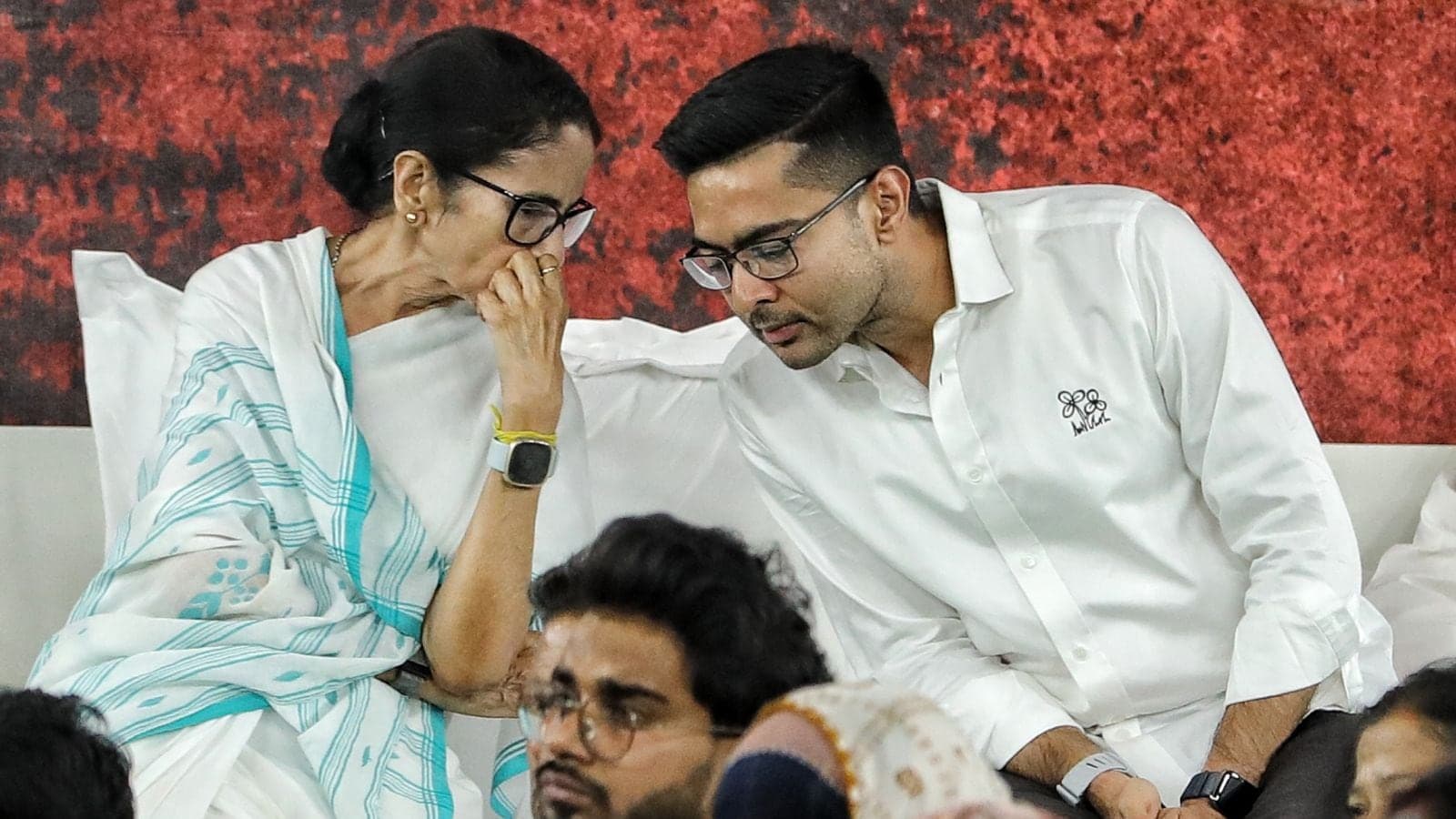
A massive internal revolt brews in the capital as two-thirds of the party's parliamentary contingent seek to break away from the Abhishek Banerjee-led bloc.
The power dynamics in the Trinamool Congress have hit a boiling point. While party supremo Mamata Banerjee and general secretary Abhishek Banerjee are in Delhi for critical INDIA bloc meetings, a substantial faction of their own house is reportedly plotting an exit. Sources confirm that 20 of the party’s 28 Lok Sabha MPs have retreated to an undisclosed location in the city, effectively signalling a mutiny that threatens to reshape the parliamentary arithmetic.
The rebel group, reportedly led by senior leader Kakoli Ghosh, has moved to formalise their dissent. They have drafted a communication to the Lok Sabha Speaker, Om Birla, outlining their intent to sever ties with the parliamentary leadership currently helmed by Abhishek. For a party that prides itself on iron-fisted discipline, this public display of defiance during a high-stakes national gathering is a seismic event.
The Strategy of the Rebels
The rebels are weighing two distinct options to force a change in the status quo. The primary route involves asking the Speaker to recognise them as a separate bloc within the House, effectively stripping the current leadership of their authority over these 20 members. Should that legal or parliamentary hurdle prove too high, the contingency plan is even more drastic: mass resignation.
If these MPs resign, it would create an immediate vacuum in the party’s strength and present a logistical nightmare for the TMC leadership. The move to openly court the NDA as a landing pad indicates that this is not merely a protest against internal management, but a calculated pivot toward the ruling coalition.
Why it matters: The bigger picture
This revolt signals a deepening crisis of control within the Trinamool hierarchy. If the rebellion holds, it marks the most significant internal fissure since the party’s inception, potentially weakening Mamata Banerjee’s bargaining power in the opposition INDIA bloc. The timing—occurring while the top leadership is physically present in Delhi—suggests a move meant to cause maximum embarrassment and political damage.
Beyond the immediate headlines, this development highlights the fragility of regional parties when faced with the gravitational pull of the NDA. While the political landscape is often compared to the shifting alliances seen in states like बिहार, this internal fracture is a strictly TMC affair. Whether the rebels follow through on their threat to resign or settle for a parliamentary split, the party’s cohesion in the Lok Sabha is effectively broken. The coming days will reveal if the central leadership can contain the damage or if the party is facing its most significant splintering in years.
Politics Desk at PoliticalPedia covers parties & elections for an Indian audience in English and Hindi.