INDIA Bloc Eyes Revival: Key Strategy Shifts After Recent Poll Strains
Meeting every 2 months, next huddle in August, letter to CJI on SIR: Key takeaways from INDIA bloc meet
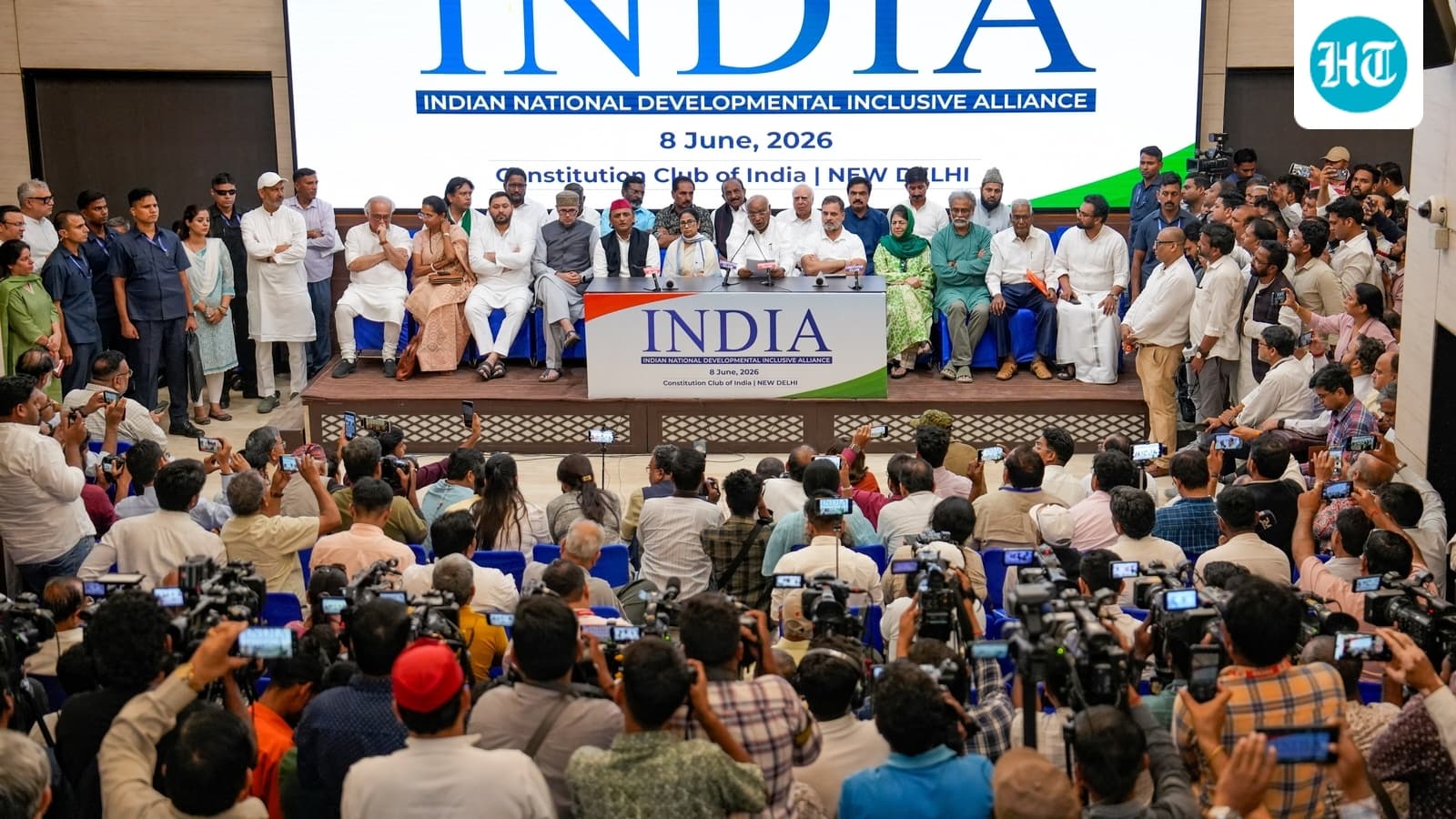
Opposition leaders map out a bi-monthly coordination plan and target the Union Education Minister as they seek to mend internal fissures.
The corridors of power in New Delhi saw a flurry of activity as 25 parties under the INDIA bloc gathered to recalibrate their political machinery. Amidst the persistent hum of post-poll friction, the alliance is attempting to pivot from a loose collective to a more structured opposition force. With several constituents reeling from recent setbacks in West Bengal and Tamil Nadu, the meeting served as a crucial test of the bloc's internal cohesion.
A New Rhythm to Strategy
Congress President Malliikarjun Kharge, acting as the face of the unified front, confirmed that the coalition has adopted a more disciplined calendar. To ensure the alliance remains agile, partners have committed to a formal meeting every two months, with the next huddle scheduled for August. This move is clearly aimed at preventing the drift that often plagues large coalitions, ensuring that state-level grievances do not spiral into national-level fractures.
However, the meeting was not without its notable absences. The DMK, citing friction over the Congress party’s recent local alliance choices in Tamil Nadu, stayed away, as did Arvind Kejriwal’s Aam Aadmi Party. These gaps highlight the delicate balancing act the leadership faces in keeping regional powerhouses aligned with the national agenda.
Targeting the Institutions
The bloc has zeroed in on two primary flashpoints to challenge the current administration. First, the alliance is drafting a formal letter to the Chief Justice of India (CJI) to protest the Special Intensive Revision (SIR) process, which the leaders allege is being manipulated to facilitate "vote loot" and electoral malpractice. By bringing the highest judicial office into the fold, the opposition is signaling a shift toward legal and institutional oversight as a core pillar of their resistance.
Simultaneously, the coalition has found a rallying cry in the ongoing controversies surrounding examination integrity. The bloc has demanded the immediate resignation of the Union Education Minister, holding him directly responsible for the lapses in NEET and CBSE exams that have left lakhs of students in limbo. The demand is a calculated bid to turn widespread youth frustration into a sustained political campaign.
Why it matters
The broader implication of this meeting is a transition toward "coordination-heavy" politics. For the INDIA bloc, the challenge is not just the electoral arithmetic, but the management of ego and regional interest. By institutionalizing their communication—moving from ad-hoc calls to a bi-monthly schedule—they are trying to create a fallback mechanism for when tensions inevitably flare. Whether this structure is enough to survive the regional pressures remains the definitive question for the months ahead. The success of their August gathering will likely serve as the litmus test for whether the alliance can move beyond rhetoric and present a consistent, unified front on the floor of Parliament and the public square.
World Desk at PoliticalPedia covers global affairs for an Indian audience in English and Hindi.