Between Kabaddi and Chess: Chhagan Bhujbal’s Blunt Take on NCP’s Dynastic Dilemma
‘I play kabaddi, not chess’: Chhagan Bhujbal hits out at NCP after Rajya Sabha snub, raises dynasty question
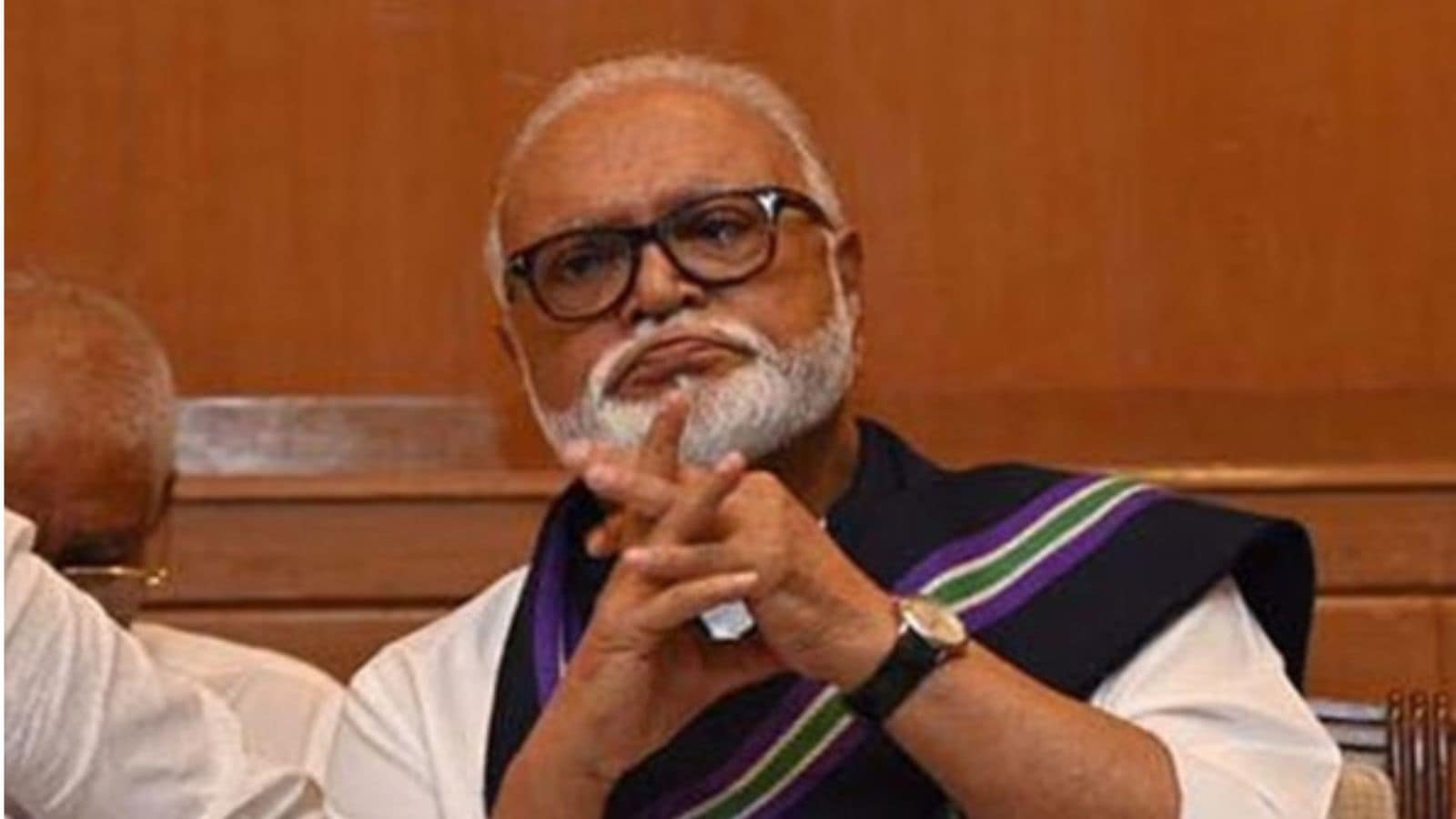
The Maharashtra minister’s public outburst over a Rajya Sabha nomination highlights a deepening rift within the party and the persistent shadow of family politics.
The corridors of power in Maharashtra are rarely quiet, but the recent Rajya Sabha nomination process has brought a simmering frustration to the surface. As senior minister Chhagan Bhujbal stood by while party colleague Rajendra Jain filed his nomination for the vacant Upper House seat, his body language told a different story than his formal presence. Speaking his mind, the veteran leader didn’t mince words, famously declaring, “I am a kabaddi player, not a chess player,” to describe his preference for direct, transparent politics over the calculated maneuvering he feels has sidelined him.
The Demand for Equity
At the heart of the friction is Bhujbal’s desire for a transition. The minister had proposed a clean swap: he would head to the Rajya Sabha in Delhi, while his nephew, Sameer Bhujbal, would take his place in the Maharashtra state cabinet. For a founding member of the NCP, this was not merely a personal career move but a demand for what he considers "fair treatment." Bhujbal’s argument rests on a pattern he observes within his own ranks and the broader ruling alliance: that the kin of established leaders are routinely fast-tracked into ministerial berths, Lok Sabha seats, and Legislative Council nominations.
The Tatkare Focus
Bhujbal’s sharp critique was pointedly aimed at the party leadership, specifically state president Sunil Tatkare. The optics of the NCP’s current structure are hard to ignore. While Tatkare serves as the Lok Sabha MP from Raigad, his daughter, Aditi Tatkare, holds a key portfolio as the Women and Child Welfare Minister in the state, and his son, Aniket Tatkare, has recently secured a seat in the Legislative Council. To observers, Bhujbal’s remarks were a direct challenge to this consolidation of power, which he feels leaves little room for those who have spent decades building the party from the ground up.
The Bigger Picture: Why It Matters
This episode reveals the fragility of alliances built on a delicate balance of competing ambitions. When a founding figure like Bhujbal openly questions the party’s internal selection process, it signals that the NCP is grappling with the classic political tension between rewarding loyalty and managing hereditary claims. The inclusion of figures like Zeeshan Siddique, son of the late Baba Siddique, into the fold further illustrates that for the NCP, the calculus of who gets a ticket is often dictated by legacy and alliance management rather than just seniority.
Ultimately, Bhujbal’s outburst isn't just about one seat in the Rajya Sabha. It is a loud, public airing of a grievance shared by many in the rank-and-file who feel the "chess board" of modern politics is being tilted in favor of dynasties. Whether this leads to a formal realignment or a quiet cooling of tensions remains to be seen, but the message from the veteran minister is clear: the grassroots are watching how the top brass balances the family tree against the party’s foundational identity.
Features Desk at PoliticalPedia covers culture, tech & life for an Indian audience in English and Hindi.