RBI Policy Outlook: Sanjay Malhotra Highlights Monsoon Risks to Food Prices
RBI MPC Meeting 2026: Sanjay Malhotra & co warn weak monsoon could stir food inflation despite price stability
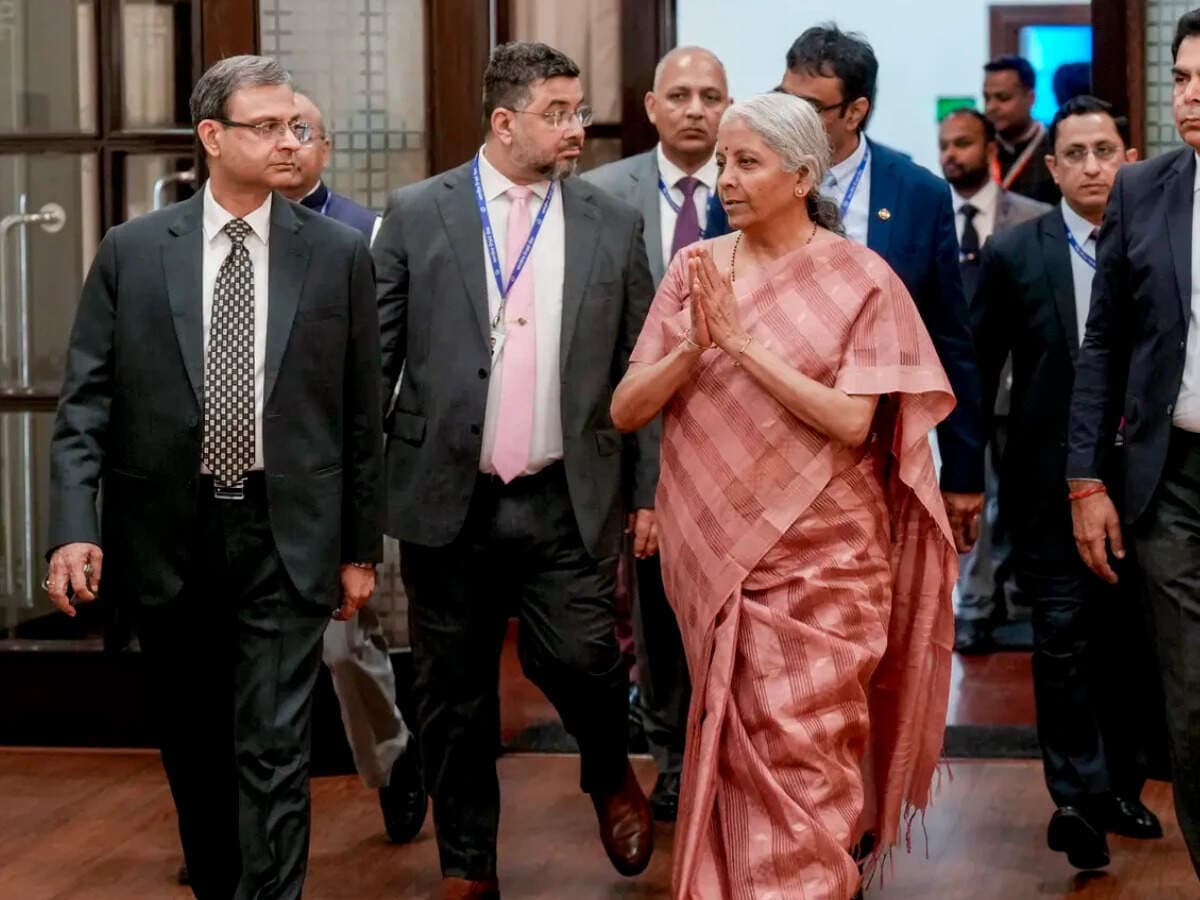
As the latest RBI MPC meeting unfolds, officials warn that a deficient monsoon could reignite food inflation despite recent trends in price stability.
The Reserve Bank of India (RBI) is keeping a close watch on weather patterns as the central bank navigates the complexities of the current economic landscape. During the ongoing RBI MPC meeting, Sanjay Malhotra emphasized that while headline consumer inflation remains within the central bank’s target, the outlook for food prices is clouded by growing concerns over the upcoming southwest monsoon. With projections suggesting the season could yield only 90% of the Long Period Average rainfall, policymakers are bracing for potential disruptions to the agricultural sector.
The Monsoon-Inflation Link
Food constitutes nearly half of India’s Consumer Price Index (CPI) basket, making the agricultural cycle the most critical determinant of the country’s inflationary trajectory. The India Meteorological Department has classified the expected rainfall as "below normal," a designation that often signals reduced crop yields. Should this prediction hold, the resulting supply constraints for essential commodities—such as pulses, cereals, and vegetables—could create significant upward pressure on the prices faced by households.
Market analysts are particularly wary of the possible emergence of El Niño conditions, which historically correlate with weaker rainfall across the subcontinent. Sanjay Malhotra noted that these weather-related risks remain a primary focus for the committee. While a robust monsoon typically acts as a pillar for rural income and price stability, a period of deficient rainfall could complicate the central bank's ability to maintain the current inflation target of 5.1% for the remainder of the financial year.
Navigating Price Pressures
The timing of these weather concerns is particularly delicate. After bottoming out, consumer price inflation has shown a steady climb, reaching 3.84% in April from 3.4% in March. This marks four consecutive months of rising costs, creating a challenging environment for those shaping the country’s monetary framework. Beyond the threat of a weaker monsoon, economists point to a volatile mix of factors including elevated global energy costs linked to the conflict in West Asia and a depreciating rupee.
In the lead-up to the current RBI MPC meeting, the finance ministry echoed these sentiments, urging continued vigilance regarding the economic outlook. The convergence of these variables—specifically the threat to food supply chains and the potential for imported inflation—suggests that the central bank will need to tread carefully. As the monsoon progresses, the data on actual rainfall will be scrutinized just as heavily as financial indicators to determine the future path of domestic price stability.
The PoliticalPedia Editorial Desk brings verified, sourced political news and analysis from across India.