RBI MPC Meeting: Balancing Growth and Inflation Amid Global Uncertainty
RBI MPC Meeting at a Glance: Your one-stop guide for all key decisions
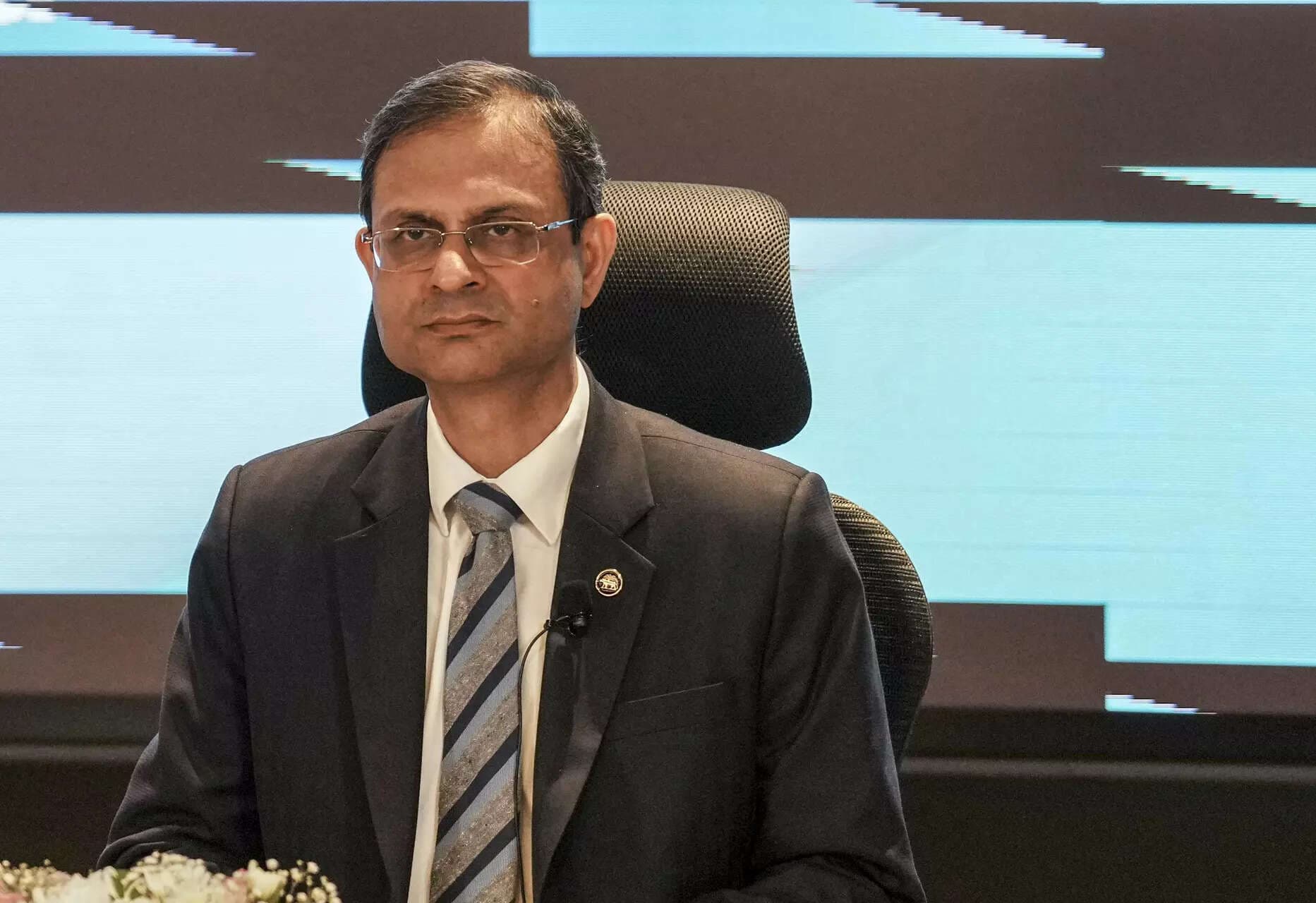
As the central bank navigates shifting global headwinds, the latest monetary policy review highlights a cautious outlook on India's economic trajectory.
The Reserve Bank of India’s (RBI) Monetary Policy Committee (MPC) continues to adopt a watchful stance, prioritizing stability as it evaluates the evolving macroeconomic landscape. In its recent review, the committee chose to maintain the benchmark repo rate at 5.25%, keeping the Standing Deposit Facility (SDF) at 5% and the Marginal Standing Facility (MSF) at 5.5%. This decision reflects a strategic effort to balance robust domestic demand against an increasingly complex global environment, particularly as geopolitical tensions in West Asia threaten to disrupt energy markets and supply chains.
Assessing Domestic Growth and Inflation
While India’s economic foundations remain resilient, the central bank’s latest projections suggest a period of moderation. For the fiscal year 2026-27, the RBI has forecasted economic growth at 6.9%, following a strong performance of 7.6% in the previous year. High-frequency indicators through early 2026 suggest that private consumption and investment demand remain the primary engines of the economy. Urban consumption, in particular, is expected to receive a further boost from the services sector and the ongoing benefits of GST rationalization.
On the price front, retail inflation has shown signs of softening, with recent figures dropping to 3.48% in April—comfortably below the central bank’s 4% medium-term target. Despite this, the MPC remains vigilant regarding upside risks. The bank has projected CPI inflation for FY27 at 4.6%, though quarterly estimates suggest a potential rise to 5.2% in the third quarter. Concerns remain that an erratic monsoon could impact agricultural output, thereby pushing food prices higher.
Navigating External Risks
The global narrative has grown more uncertain in recent months. The MPC has flagged that the duration and intensity of the conflict in West Asia pose direct risks to India’s inflation and growth outlooks. Specifically, potential disruptions in infrastructure, such as the Strait of Hormuz, could lead to a surge in crude oil prices. This external pressure is compounded by the depreciation of the rupee, which has faced significant volatility, falling 5.4% this year.
Looking Ahead
For those seeking a glance at the path forward, the RBI's policy communication underscores a focus on data-driven decision-making. With external demand potentially weakening and remittance flows under threat from global slowdowns, the central bank is prepared to adjust its stance if inflation trends toward the 5% mark in the latter half of the fiscal year. By maintaining a steady hand, the committee aims to anchor expectations while ensuring that the Indian banking system remains robust enough to support business sentiment and long-term investment.
The PoliticalPedia Editorial Desk brings verified, sourced political news and analysis from across India.