RBI MPC Keeps Repo Rate Steady as Governor Sanjay Malhotra Navigates Economic Headwinds
RBI MPC highlights: Top decisions announced by Governor Sanjay Malhotra & Co
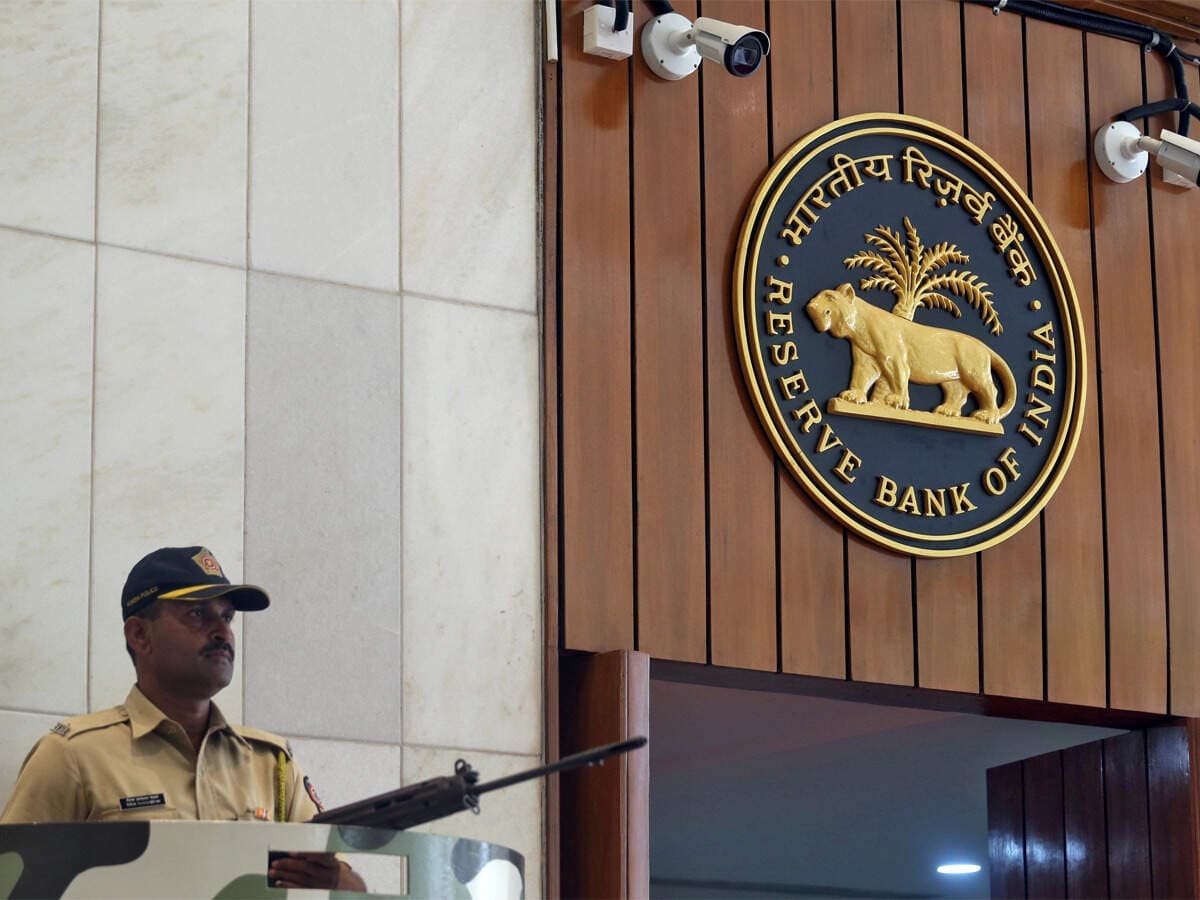
The Reserve Bank of India’s rate-setting panel maintains a neutral stance, balancing domestic growth momentum against emerging global risks and potential inflationary pressures.
The six-member Monetary Policy Committee (MPC) has concluded its latest three-day review, opting to keep the repo rate unchanged at 5.5 percent. This decision, announced by Governor Sanjay Malhotra, marks the second consecutive pause following a series of rate cuts earlier in the year. While domestic consumption and investment remain robust, the central bank’s latest rbi policy announcement underscores a cautious approach amidst a shifting global economic landscape.
Managing Growth and Inflation
Governor Malhotra noted that the current economic environment reflects strong underlying drivers, leading the central bank to revise its GDP growth projection for FY26 upward to 6.8 percent from the previous estimate of 6.5 percent. The decision to hold rates steady was unanimous, reflecting a strategic effort to support sustainable expansion while keeping a close watch on price stability. The committee’s neutral stance provides the necessary flexibility to respond to incoming data as the economy progresses.
The inflation outlook has seen a significant shift, with the RBI lowering its CPI forecast for the year to 2.6 percent. This downward adjustment is largely attributed to the positive impact of GST reforms and a period of benign food prices. However, the committee remains vigilant, noting that while headline inflation has eased, future risks—including the potential for volatility in food prices due to weather patterns—remain a focal point for the rbi mpc.
Global Pressures and Market Stability
Despite the domestic strength, the governor highlighted several external challenges that could influence future policy decisions. Rising crude oil prices, a weakening rupee, and the looming impact of potential US tariffs on Indian exports have introduced new layers of complexity. While the bank is unlikely to use interest rates as a primary tool to manage currency fluctuations, it continues to monitor the foreign exchange market to prevent excessive volatility.
Looking ahead, the central bank is balancing these "Goldilocks" conditions against the reality of global headwinds. While two members of the panel initially proposed a shift toward an accommodative stance, the majority favored a neutral path to ensure that policy remains calibrated to the evolving economic reality. As the committee tracks the impact of global trade shifts and domestic monsoon trends, the focus remains firmly on maintaining financial stability and anchoring inflation expectations in the coming months.
The PoliticalPedia Editorial Desk brings verified, sourced political news and analysis from across India.