Rare 6.1 Magnitude Earthquake Hits Offshore Cuba, Rattling Buildings from Havana to Florida
6.1 magnitude earthquake hits offshore Cuba; tremors felt in Florida
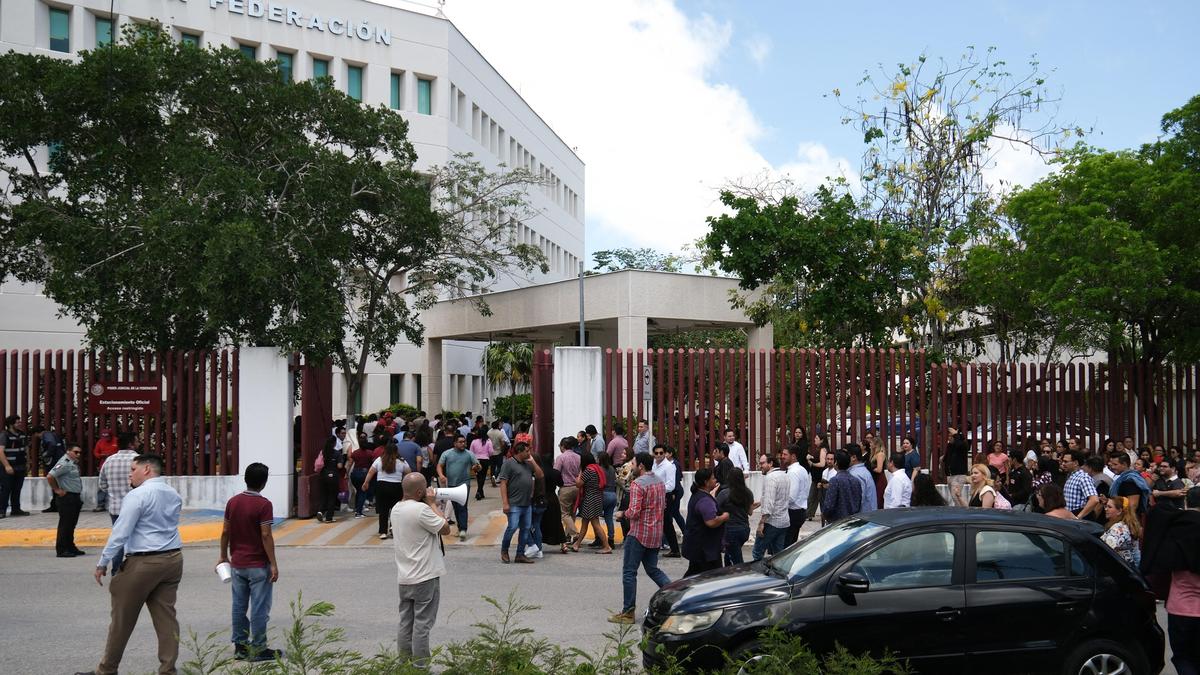
A powerful offshore tremor sent shockwaves across the Gulf, prompting building evacuations in Miami as geologists label the rare event a historic anomaly.
The afternoon of June 8, 2026, began as a routine Monday for office workers in downtown Miami and hoteliers in western Cuba, but it quickly turned into an unsettling reminder of the Earth’s volatility. A 6.1 magnitude earthquake struck in the waters off the western coast of Cuba, sending tremors that were felt as far north as Orlando. While the epicenter was deep in the ocean, the shaking was significant enough to spark panic in Havana and trigger precautionary evacuations across the Florida coastline.
A Rarity in the Gulf
According to the U.S. Geological Survey (USGS), the quake hit at a depth of 10 km. For seismologists, this event is more than just a momentary tremor; it is an outlier. William Barnhart, a geophysicist with the USGS, noted that this is the largest earthquake ever recorded in the Gulf of Mexico since modern instrumentation began in the 1950s. It is one of only a handful of events with a magnitude of five or greater in the region, making it an exceptionally rare geological occurrence for this specific basin.
In Havana, the experience was visceral. Flavia Pupo, a manager at the Pinar del Rio hotel, described the scene as buildings began to sway. While there was widespread fear among residents on the street, authorities confirmed that everyone in the immediate area remained safe. Fortunately, no tsunami was generated by the shift, and initial reports from both sides of the Florida Straits indicated no major property damage or injuries.
Florida’s Unsettling Flashback
For those in Florida, the shaking was a jarring disruption. In downtown Fort Lauderdale, Maria Moncayo—a resident who previously lived through the devastating 7.8 magnitude earthquake in Ecuador in 2016—felt the distinct vibration of her desk. She initially mistook the sensation for nearby construction work. "When I felt my desk moving, I thought it was going to be like Ecuador," she said, reflecting on the sudden flashback. Once she realized the intensity was minor, the relief was palpable.
The impact was broad enough that Miami-Dade officials took no chances, ordering the evacuation of several structures, including a 28-story government high-rise. Commuter train services running through the city were also temporarily suspended as a safety measure. Social media was quickly flooded with reports from residents in southwestern Florida and beyond, documenting the rare tremors felt in their homes and workplaces.
Why it matters
While the Gulf of Mexico is not typically associated with the high-frequency seismic activity seen in the Pacific, this 6.1 magnitude event serves as a stark reminder that even "quiet" zones are not immune to significant geological shifts. For the millions of residents living along the Gulf Coast, the event underscores the importance of earthquake preparedness in regions that rarely consider it a primary hazard. As geophysicists continue to analyze the data, this tremor will likely be studied as a benchmark for understanding tectonic stresses in a part of the world that rarely sees the ground move so forcefully.
Ananya Iyer covers global affairs with an Indian lens for PoliticalPedia.