Trump’s ‘Great Settlement’ Hits a Wall: Tehran Rejects White House Claims of Impending Iran Deal
‘No final decision’: Big setback for Donald Trump as Iran rejects US’s ‘great settlement’ claim
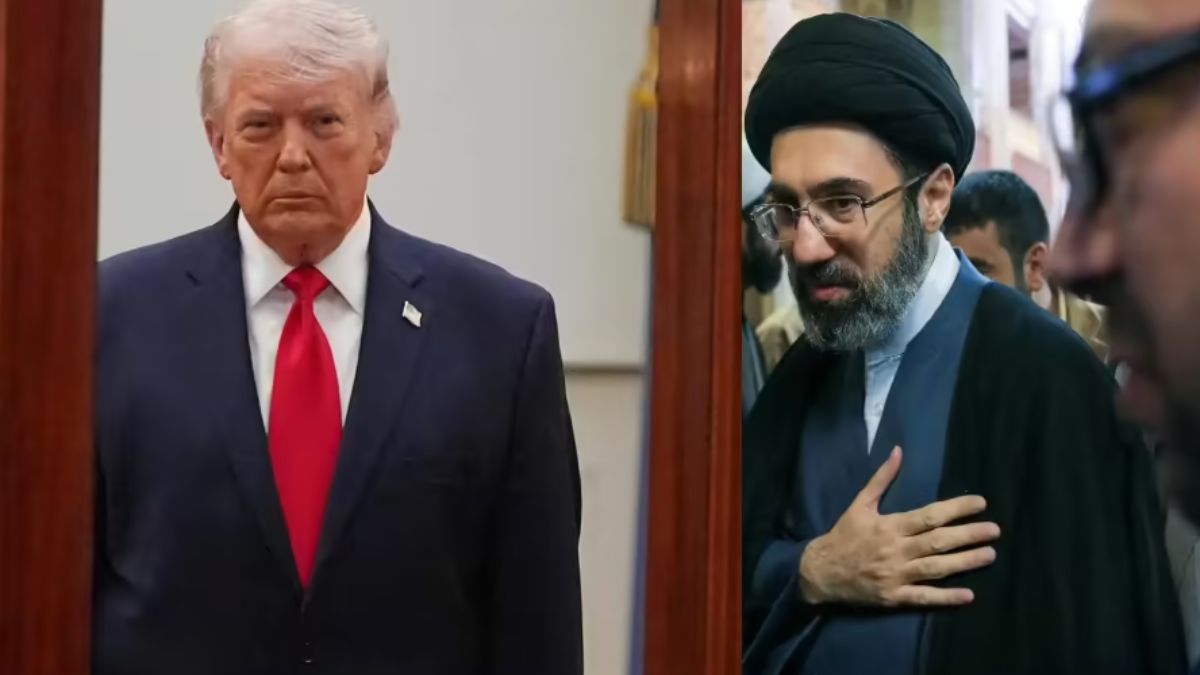
While the US President signals a breakthrough in the standoff, Iranian officials have categorically denied that any final agreement has been reached.
The mood at the White House shifted sharply this week as President Donald Trump declared that a "fantastic" deal to resolve the Iran-US conflict was within reach, potentially finalized by the weekend. Speaking to reporters, Trump framed the situation as a monumental success, asserting that US military pressure had fundamentally altered the Iranian political landscape. According to the President, the current leadership in Tehran is far more “rational” than their predecessors, creating a window for a permanent nuclear agreement and the reopening of the Strait of Hormuz.
However, the reality on the ground appears far more tenuous. In a swift, public pushback, Iranian Foreign Ministry spokesperson Esmail Baghaei dismissed the notion of an imminent settlement. Tehran has made it clear that while negotiations are ongoing, no final decision has been taken, effectively pouring cold water on the administration's upbeat rhetoric.
The Gap in Narratives
This disconnect between Washington and Tehran highlights a recurring pattern in the current administration’s foreign policy: declaring victory before the ink is dry. Trump’s claim that a "regime change" of sorts has occurred—implying that a new, more compliant group of leaders has emerged in Iran—has been met with skepticism by observers tracking the conflict. While the US insists the political landscape has shifted, the lack of a formal, signed document suggests that the high-stakes diplomacy is still very much in flux.
Reports from various global outlets underscore that the situation remains volatile. Even as the White House touts a "great settlement," the reality of the Iran-US conflict remains defined by ongoing strikes and a complex, back-channel diplomatic effort. Beyond the rhetoric, Tehran is reportedly pushing a 10-point counter-proposal, suggesting that the terms of any potential deal are far from the simple, quick resolution that the President’s public comments might suggest.
The Bigger Picture
Why does this matter? For the global markets, the Strait of Hormuz is the world’s most critical maritime chokepoint. Any claim of a deal to open it signals a massive de-escalation that would ripple through energy prices worldwide. However, the recurring cycle of "deal announced" followed by "denial" creates a credibility gap.
Trump’s tendency to declare success as a fait accompli—regardless of the actual progress—is a hallmark of his approach to international crises. By framing the Iran issue as a personal success story, the President attempts to project strength to his domestic base, even when the diplomatic reality is fraught with disagreement. For now, the world remains in a state of watchful waiting; until a formal, signed agreement is presented by both sides, this "great settlement" remains little more than a promise in the wind.
Priya Nair covers parties, elections and the business of power for PoliticalPedia.