Netanyahu’s Red Line: Why the Israel-Iran Standoff Still Hangs by a Thread
Israeli PM Netanyahu Warns Iran: "As Long As I Am PM, You Will NEVER Have Nuclear Weapons" |BREAKING
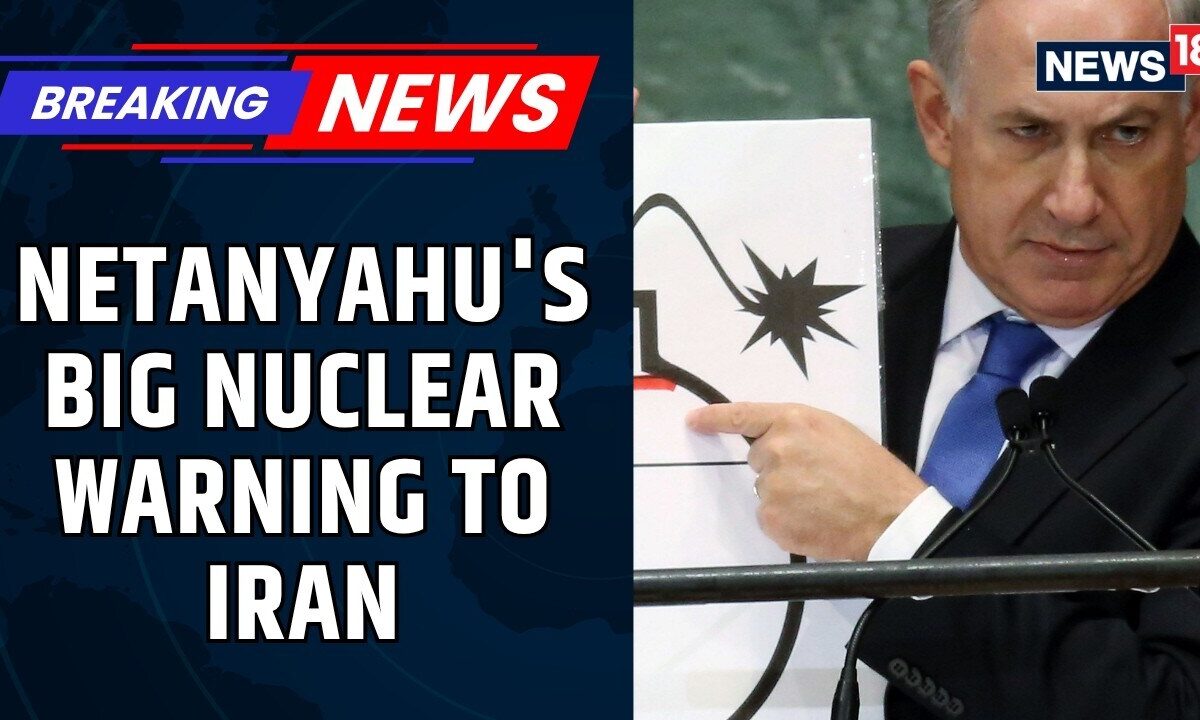
As Washington pushes for a rapid diplomatic settlement, the Israeli Prime Minister remains defiant, setting the stage for a volatile standoff over Tehran’s nuclear ambitions.
The shadow of war, which has loomed over the Middle East for 101 days, appeared to soften this week as reports of a ceasefire trickled out from the Strait of Hormuz to Beirut. Yet, behind the scenes of a frantic U.S.-led push for peace, the friction between Jerusalem and Washington is palpable. While President Donald Trump claims that a major diplomatic breakthrough is imminent, Israeli PM Netanyahu warns that his government’s core objectives remain non-negotiable. Speaking with a tone of resolve that echoed through global capitals, he declared, “As long as I am PM, you will never have nuclear weapons,” effectively drawing a hard line in the sand that complicates any quick-fix deal.
The disconnect is stark. Reports from The New York Times and Al Jazeera indicate that while direct airstrikes have paused following Trump’s blunt “stop shooting” directive, the peace remains fragile. Trump has publicly exerted pressure on the Israeli leadership, even suggesting that if Jerusalem continues to escalate, they might find themselves “on their own.” This puts Netanyahu in a precarious position: he is navigating a delicate diplomatic dance with the White House while maintaining a domestic mandate that demands the total neutralization of the Iranian threat.
A Divergence of Strategy
The core of the current crisis isn't just about the tactical strikes witnessed over the past few weeks; it is about the long-term endgame. While the U.S. appears to be prioritizing a rapid, structured exit from the conflict—citing progress in negotiations—Netanyahu remains deeply skeptical of any agreement that leaves Iran with residual nuclear capabilities. The breaking news of the ceasefire has been met with caution in Tel Aviv. Even as the U.S. military shoots down Iranian drones and tries to stabilize the Strait of Hormuz, the Israeli defense establishment has signaled that their campaign against Iranian proxies, particularly those in Lebanon, is far from over.
The volatility of this situation was underscored when Pakistani politician Khawaja Asif’s inflammatory social media commentary on the war had to be swiftly deleted following the international fallout of Netanyahu's uncompromising rhetoric. Such reactions highlight how the Israel-Iran conflict continues to act as a polarising force, dragging regional players into the diplomatic fray.
Why it matters
The larger picture here is a clash between two different definitions of stability. For the current U.S. administration, success is measured by the cessation of active fire and the stabilization of global energy corridors. For Netanyahu, however, the barometer for success is the total prevention of a nuclear-armed Iran—a goal that he views as an existential imperative rather than a bargaining chip.
This creates a dangerous gap in the current landscape. If the U.S. forces a deal that falls short of dismantling Iran’s nuclear infrastructure, the risk of a "shadow war" intensifying becomes high. Netanyahu’s insistence that he is “not done yet” suggests that Israel is prepared to act unilaterally if it feels its security is being traded for a temporary, fragile peace. We are looking at a scenario where the guns may have gone quiet for now, but the fundamental causes of the conflict remain locked in a stalemate that could shatter at any moment.
Arjun Mehta reports on government, policy and Parliament for PoliticalPedia, in English and Hindi.