Rahul Gandhi meets Sarthak Sidhant: Why the teen who probed CBSE is now at the heart of a political row
'Modi wants youth to make reels instead': Rahul Gandhi at meeting with Sarthak Sidhant, teen who probed CBSE
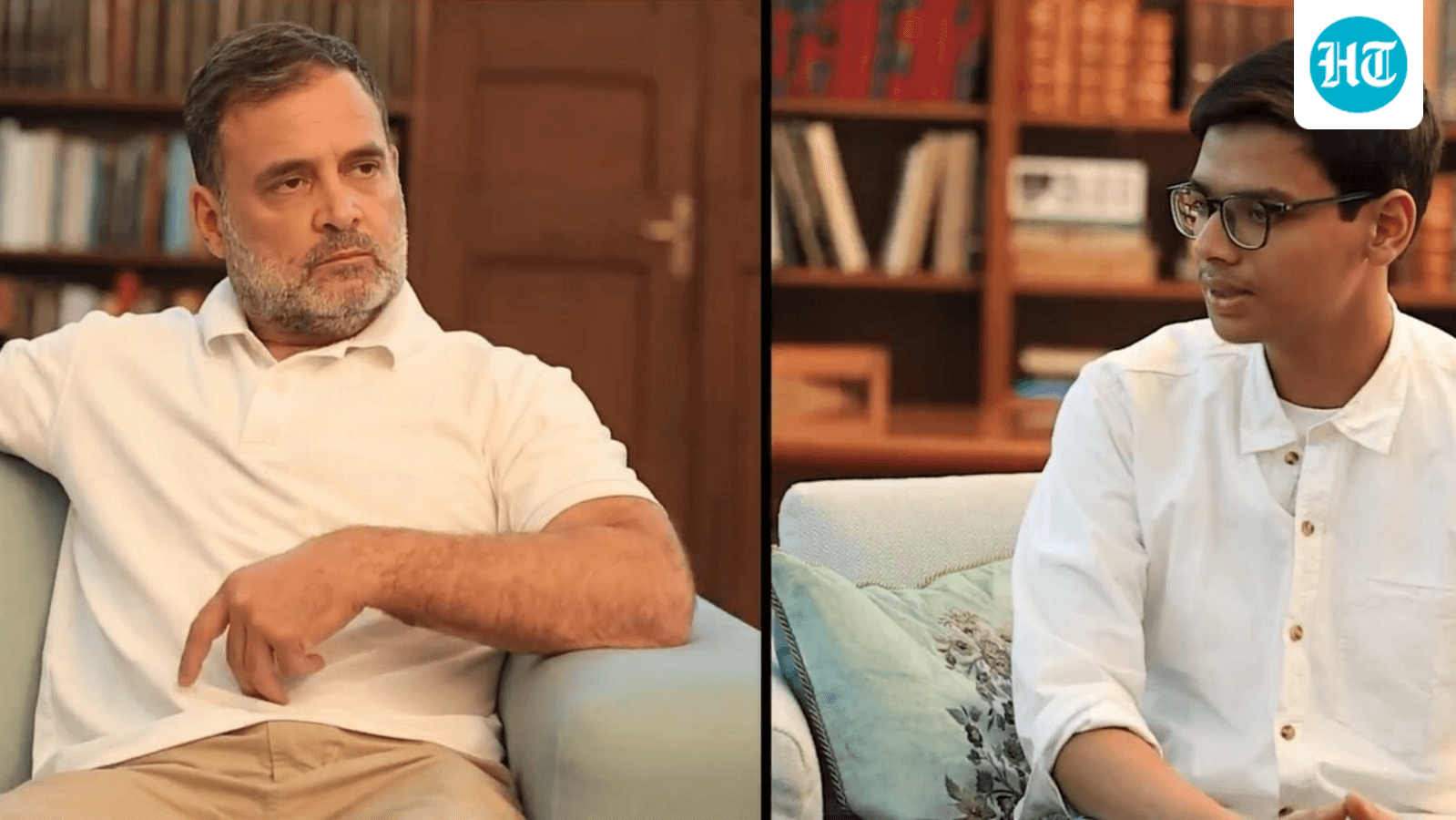
The Leader of Opposition has lauded 18-year-old Sarthak Sidhant for exposing alleged irregularities in CBSE’s marking process, using the incident to critique the government’s vision for India's youth.
The political spotlight turned toward the integrity of the Central Board of Secondary Education (CBSE) this week after Rahul Gandhi highlighted the investigative work of 18-year-old Sarthak Sidhant. During a recent meeting with the student and his family, the Congress leader praised Sidhant and his peer, 19-year-old Nisarga Adhikary, for uncovering alleged flaws in the board's On-Screen Marking (OSM) tender process—a task that Gandhi claimed surpassed the efforts of established investigative agencies.
A challenge to official narratives
Gandhi, who serves as the Leader of Opposition in the Lok Sabha, took to social media to share his interaction with the duo. He described the teenagers’ pursuit of transparency as a masterclass in civic engagement. According to the Congress leader, the fact that two young men could navigate complex bureaucratic systems to find answers that eluded formal institutions reflects a significant failure of the current administration.
"An 18-year-old from the country proved faster and sharper than the CBI; this victory for the youth is, in the true sense, a defeat for the government," Gandhi stated in a post written in Hindi. By focusing on the investigative rigor displayed by the pair, the meeting served as a platform to contrast the opposition’s vision of an empowered, inquisitive citizenry against the government’s current policy framework.
The 'Reels' versus 'Questions' debate
The discourse quickly turned into a broader ideological clash, with Gandhi aiming his critique directly at Prime Minister Narendra Modi. He alleged that the government’s approach to the demographic dividend is reductive, favoring entertainment over intellectual rigor. "Modi wants our youth to keep making reels and frying pakodas, without asking questions or opening their eyes," Gandhi remarked, suggesting that the administration is uncomfortable with a generation that demands accountability.
This critique highlights a growing tension in Indian politics regarding the role of youth in public life. While the government often promotes initiatives centered on skill development and entrepreneurship, critics like Gandhi argue these platforms lack the structural support necessary for young people to engage with and improve the country’s democratic institutions.
Implications for institutional oversight
Sarthak Sidhant has recently emerged as a prominent voice calling for reform within the CBSE, even presenting his findings before a parliamentary panel. His work centers on the technical and procedural vulnerabilities within the OSM tender process, which is critical to the handling of millions of examination scripts annually.
For many observers, this episode underscores the power of modern information access. By leveraging open-source data and persistent inquiry, the students have managed to force a conversation on board transparency that policy makers can no longer ignore. As Sidhant continues to push for systemic changes, his interaction with Rahul Gandhi has effectively turned his technical investigation into a case study on the importance of an informed, questioning youth population in sustaining India's democracy.
The PoliticalPedia Editorial Desk brings verified, sourced political news and analysis from across India.