Putin Rejects Zelenskyy Meeting, Vowing to Press Russia’s War Goals in Ukraine
Putin rules out meeting Zelenskyy and vows to pursue war goals
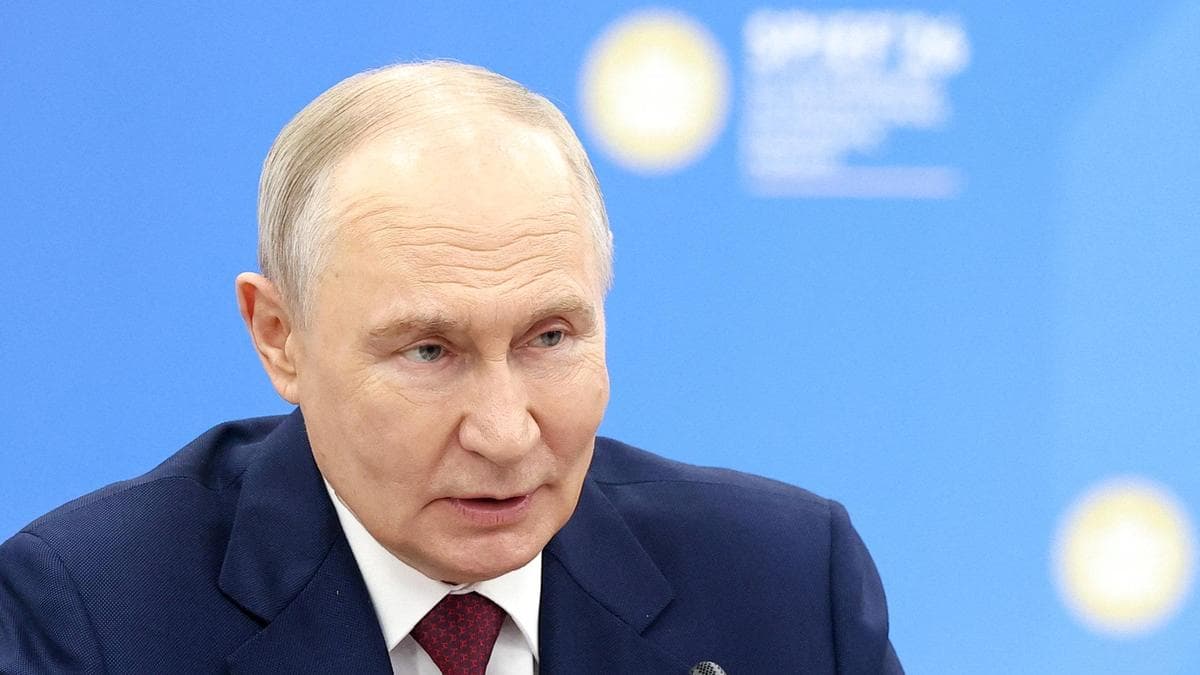
The Russian President dismissed an open letter from his Ukrainian counterpart seeking direct negotiations, insisting that military operations will continue until Moscow’s objectives are fully realised.
Russian President Vladimir Putin has firmly ruled out any immediate meeting with his Ukrainian counterpart, Volodymyr Zelenskyy, declaring that he sees "no point" in such a dialogue while the ongoing conflict remains unresolved. The rejection came on Friday during Russia’s flagship economic forum in Saint Petersburg, providing a stark rebuttal to an open letter sent by Mr. Zelenskyy just one day prior. In that appeal, the Ukrainian President had proposed a face-to-face summit to set a clear date for ending the four-year war, arguing that waiting for international intervention—particularly from the United States—was no longer a viable strategy.
A Cold Response to Diplomacy
The diplomatic rebuff was swift and pointed. Mr. Putin, speaking to a gathered audience of officials and business leaders, characterized the Ukrainian proposal as insincere and even "rude" in its delivery. He maintained that any meaningful discussion must be preceded by an agreement reached through technical experts, rather than a high-level summit. For the Russian side, the priority remains the continued advance of its armed forces until a long-term, binding settlement can be secured, rather than a short-term ceasefire that Moscow fears would merely allow Kyiv to regroup.
President Zelenskyy hit back shortly after the remarks, telling his nation in a video address that Mr. Putin’s refusal confirmed that the Kremlin is "choosing war again." The Ukrainian leader described the response as "weak" and suggested that it would likely cause disappointment among the international community, which has been closely monitoring the prospects for a peace deal. The tension between the two leaders highlights the widening gulf in their respective positions; while Ukraine refuses to cede any territory, Russia continues to demand control over the Donbas region and the imposition of significant political and military restrictions on its neighbour.
The Human and Tactical Cost
As the rhetoric intensifies, the reality on the ground remains grim. The conflict, which began with a full-scale invasion in February 2022, has claimed hundreds of thousands of lives and displaced millions. Even as the leaders exchanged messages about a potential path to peace, violence persisted. Ukrainian authorities reported that Russian strikes on Friday in the Donetsk region, specifically impacting Mykolaivka and Druzhkivka, resulted in the deaths of four civilians and left seven others wounded.
The impasse underscores the "security guarantee" paradox that has long plagued diplomatic efforts: any deal robust enough to protect Ukraine’s sovereignty is viewed by Moscow as an unacceptable threat, while any concession offered by Kyiv is perceived by the Ukrainian government as an invitation to future aggression. With U.S.-brokered talks stalled and Washington pivoting its foreign policy focus, Mr. Zelenskyy is now turning toward European allies. The Ukrainian President is scheduled to meet with French President Emmanuel Macron, British Prime Minister Keir Starmer, and German Chancellor Friedrich Merz in London this Sunday, hoping to inject fresh momentum into his diplomatic strategy.
Despite the mounting costs and international pressure, Mr. Putin remains defiant. He reiterated that military actions would cease only once Russia’s stated goals are achieved, dismissing concerns about the sustainability of the Russian economy under the strain of the protracted campaign. For now, the prospect of a direct meeting remains a distant possibility, as both nations appear locked into a cycle of confrontation that shows no sign of yielding to negotiation.
The PoliticalPedia Editorial Desk brings verified, sourced political news and analysis from across India.