Putin Rejects Direct Meeting With Zelenskyy as Russia Vows to Press On with War Goals
Putin rules out meeting Zelenskyy and vows to pursue war goals
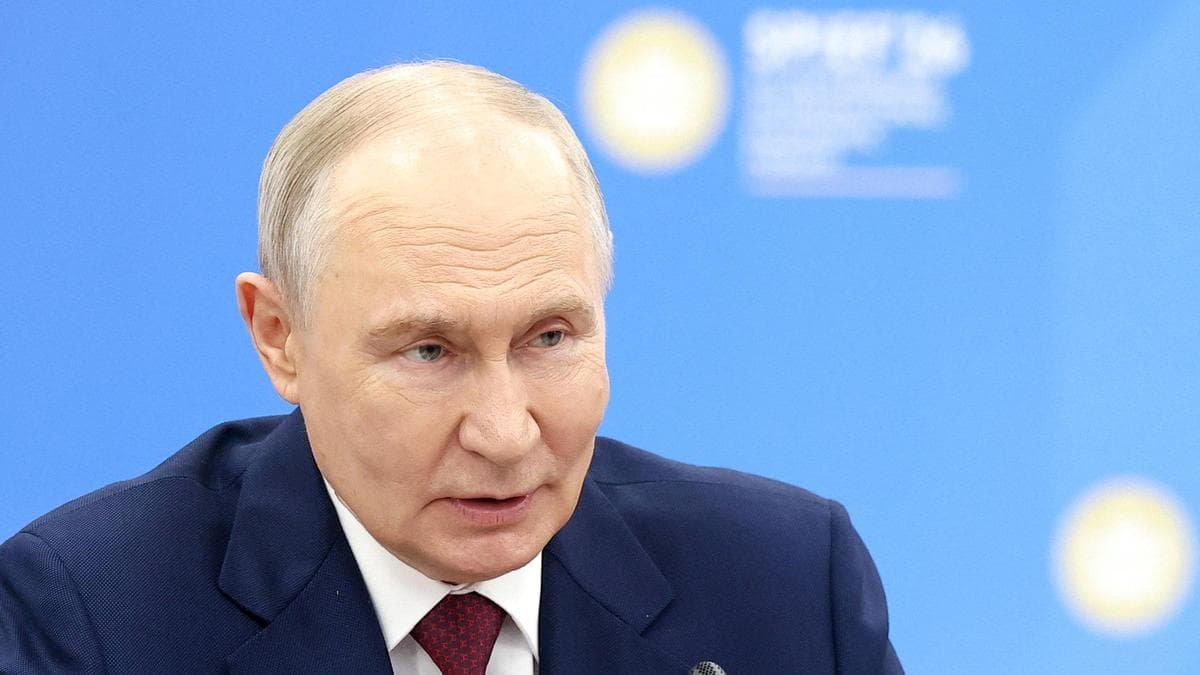
As the four-year conflict grinds on, Vladimir Putin has dismissed calls for a summit with Volodymyr Zelenskyy, insisting that military objectives remain the priority for Russia.
The diplomatic stalemate between Russia and Ukraine deepened on Friday, June 5, 2026, after President Vladimir Putin explicitly ruled out a direct meeting with his Ukrainian counterpart. Speaking at an economic forum in Saint Petersburg, the Russian leader dismissed a recent appeal from Volodymyr Zelenskyy for a sit-down to negotiate an end to the hostilities. Putin stated that he saw "no point" in such a meeting until a concrete peace deal has been pre-agreed by experts, effectively closing the door on the direct high-level dialogue that Kyiv has been pushing for.
Zelenskyy, who had issued an open letter on Thursday proposing a clear date for a summit, did not mince words in his response. He characterized Putin’s refusal as a sign of weakness and a deliberate choice to prolong the violence. The Ukrainian president remains convinced that a summit is the only viable path to thrash out the complex issues surrounding a durable peace. The rejection from Moscow comes as the conflict enters its fifth year, with the human cost reaching hundreds of thousands of lives and millions of citizens displaced.
Strategic Objectives and the 'Capitulation' Dilemma
The core of the impasse lies in the vastly divergent terms for peace. Russia continues to demand control over the eastern Donbas region, alongside sweeping military and political restrictions on its neighbour—demands that Kyiv and its Western allies have consistently rejected as tantamount to total capitulation. While the Kremlin frames its offensive as a "special military operation," the reality on the ground remains a full-scale war. Putin emphasized on Friday that Russia will continue its military campaign until these specific war goals have been achieved, suggesting that if a peace deal cannot be reached, the offensive will be settled "by force."
This hardline stance has rendered previous US-brokered peace efforts ineffective, leaving little room for middle-ground diplomacy. The "security guarantee" paradox—where guarantees that are too weak fail to protect Ukraine, yet those too robust are viewed by Moscow as an existential threat—continues to stifle progress. As the diplomatic track falters, the military situation remains volatile, with Ukrainian authorities reporting that Russian strikes on Friday claimed the lives of four civilians in the Donetsk towns of Mykolaivka and Druzhkivka.
International Context and Future Outlook
The rejection of the meeting comes amid a complex web of international maneuvering. With the war showing no signs of a quick resolution, Ukraine is increasingly looking to firm up its diplomatic alliances. Reports indicate that Zelenskyy is scheduled to hold talks with European leaders, including officials from France, Germany, and the UK, in London this Sunday. These meetings are seen as crucial for maintaining the flow of advanced military aid and air defense systems, which have been promised by international partners to bolster Ukraine's defensive posture.
Observers note that the timing of these events is critical. As the conflict drags into its fifth year, the initial Russian expectation of a swift victory in Kyiv has long since evaporated, replaced by a grueling war of attrition. By refusing to engage directly, Putin is signaling a preference for military momentum over legislative compromises. For now, the prospect of a negotiated settlement remains distant, as both nations appear locked in a cycle of continued mobilization and intense combat, leaving the international community to grapple with the reality of a prolonged European conflict.
The PoliticalPedia Editorial Desk brings verified, sourced political news and analysis from across India.