Pune’s Gig Economy Under Pressure: Delivery Riders Seek Payout Hikes Amid Soaring Fuel Costs
Pune’s delivery riders demand higher payouts as fuel costs eat into already thin margins
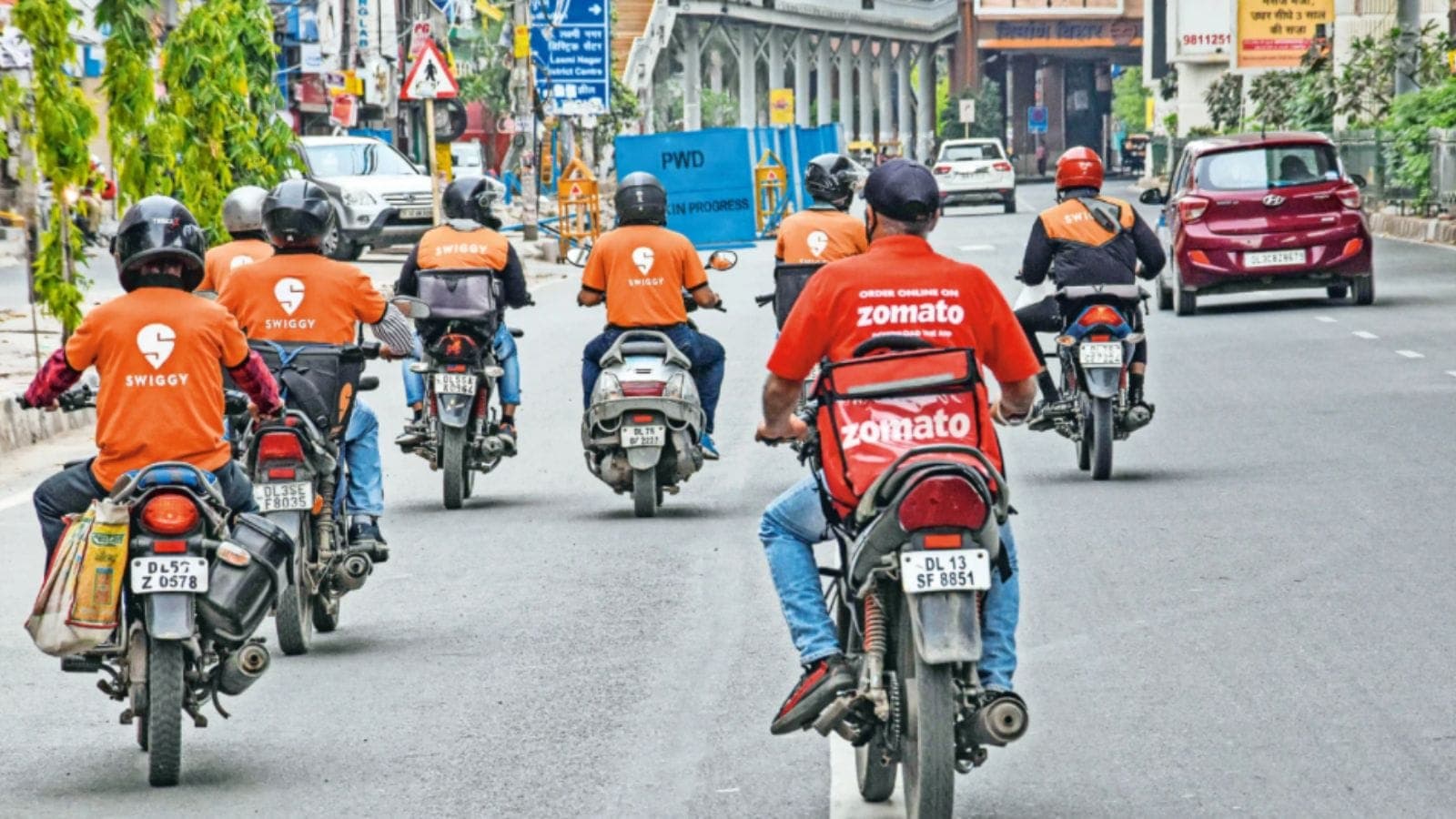
As petrol prices breach the Rs 112 per litre mark in Pune, delivery partners struggle to maintain livelihoods while fighting stagnant delivery rates.
Every morning, Parshuram Kamble navigates the dense traffic of Pune’s Shivajinagar area, his workday dictated by the unrelenting demand for food deliveries. For thousands of gig workers like Kamble, who sends his earnings back home to support his family in Kolhapur, the job has transformed from a sustainable occupation into a precarious balancing act. With petrol prices hovering around Rs 112 per litre, the cost of fuel now consumes nearly 20 per cent of his per-order earnings, leaving him with a shrinking take-home income despite working shifts that often stretch to 12 hours.
The Economics of a Delivery Run
The financial strain is exacerbated by a rigid pay structure that has failed to keep pace with the volatile energy market. Riders report that the platform-fixed payout—typically between Rs 5 to Rs 6 per kilometre for short runs and rising to Rs 8 for longer hauls—remains unchanged despite the rising cost of petrol. Raju Ghube, a delivery partner working out of the Katraj-Bibwewadi belt, notes that for longer deliveries, his fuel expenditure has spiked from approximately Rs 2 per kilometre to Rs 3. Because these long-distance assignments rarely result in a return order, the riders must absorb the cost of the commute back to a high-demand zone, effectively doubling their fuel overhead without additional compensation.
Penalties and Operational Challenges
The pressure is compounded by the punitive measures enforced by delivery platforms. Riders are granted only one free cancellation per day; any subsequent refusal to accept an inconvenient or long-distance order triggers a Rs 25 penalty and the total forfeiture of the day’s performance incentives. For a worker like Ghube, who travels roughly 100 kilometres daily, an unexpected fuel hike adds over Rs 100 to his daily operating expenses, a significant sum when margins are already paper-thin. This creates a cycle where riders are forced to work through extreme weather conditions, from heatwaves to monsoons, just to maintain their base monthly target of approximately Rs 25,000.
The EV Dilemma
While some analysts suggest transitioning to electric two-wheelers could mitigate these costs, the reality on the ground in Pune presents a different picture. Riders like Ghube argue that the current landscape is prohibitive. The high upfront purchase price of electric vehicles, coupled with substantial maintenance costs and a lack of reliable, accessible charging infrastructure throughout the city, makes the switch unfeasible for those living on a daily wage.
The situation highlights a growing rift between the rapid expansion of the food-tech industry and the economic stability of the workforce powering it. As fuel prices remain high, the demand for revised per-kilometre payouts grows louder, reflecting a broader struggle for fair wages within India’s burgeoning gig economy. Without intervention or a restructuring of delivery rates, riders fear that the very job meant to provide them with economic mobility will continue to eat into their basic survival.
The PoliticalPedia Editorial Desk brings verified, sourced political news and analysis from across India.