PM Modi Chairs High-Level EAC Meeting to Bolster Growth Amid Global Economic Headwinds
PM Modi pushes growth agenda at EAC meet amid economic pressure
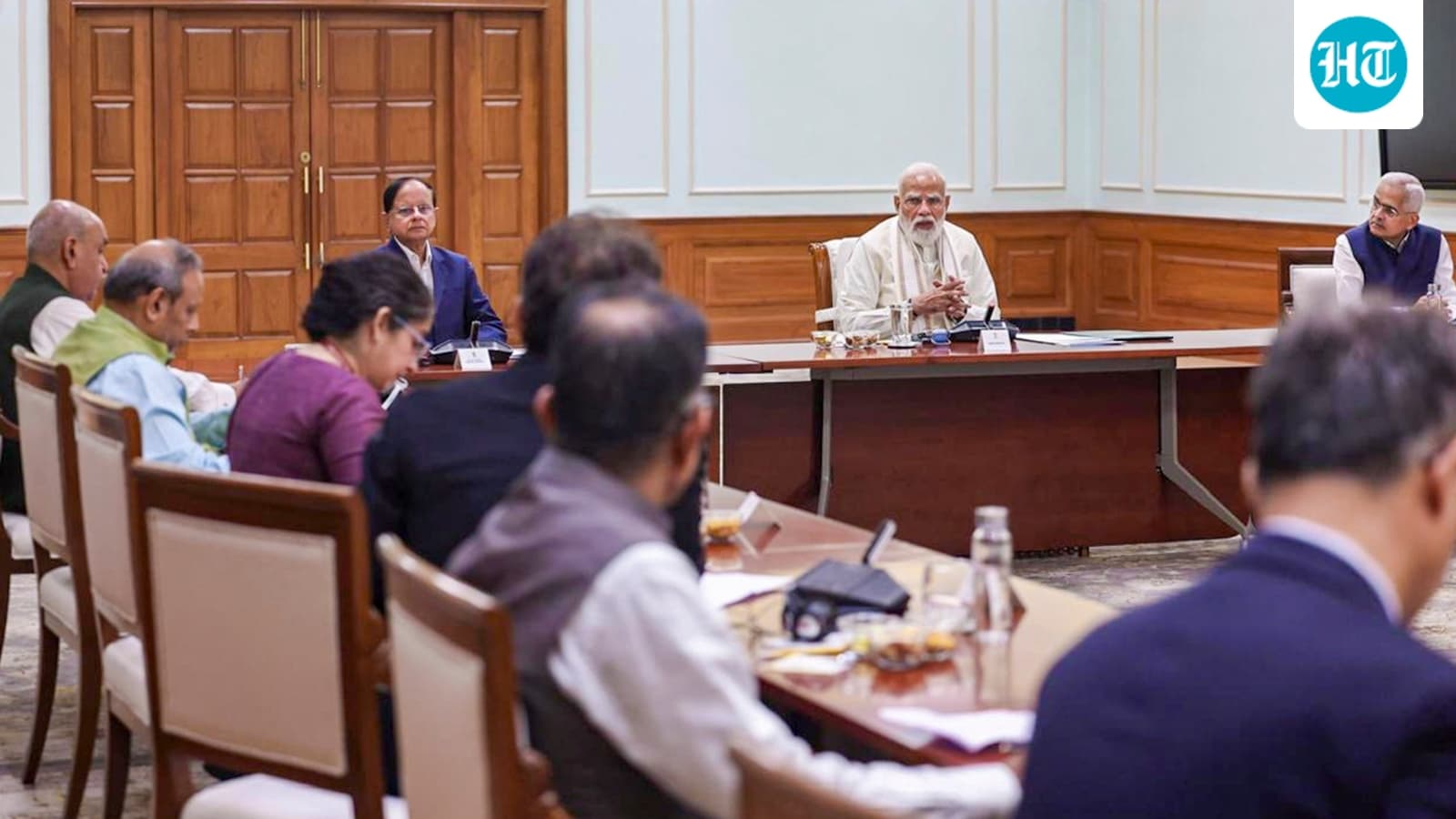
Following a robust 7.7% annual GDP growth report, the Prime Minister is steering a fresh reform agenda to navigate market volatility and currency pressure.
Prime Minister Modi convened a critical meeting of the Economic Advisory Council (EAC) on Saturday, signalling a renewed focus on long-term development priorities. The session followed a week of intense activity aimed at insulating India’s economy from global instability, including the ongoing West Asia crisis. While the government has celebrated a 7.7% GDP growth rate for the 2025-26 fiscal year, the administration is clearly looking beyond these figures to address structural challenges that have sparked recent criticism from opposition parties.
Addressing Market Volatility and the Rupee
The discussions arrived at a time when the rupee has faced significant downward pressure, leading to concerns over retail fuel costs and inflationary risks. In response, the finance ministry and the Reserve Bank of India (RBI) rolled out a series of strategic measures on Friday to encourage foreign capital inflows. These include specific tax concessions for government bonds and expanded investment avenues for foreign portfolio investors, designed to make Indian securities more competitive globally. By late Friday, these interventions had already yielded results, with the rupee strengthening by 56 paise.
The Reform Push: Ease of Living and Doing Business
During the council deliberations, PM Modi emphasized the need for a sustained reform journey. The Prime Minister underscored that the government’s priority remains the dual goals of "Ease of Living" and "Ease of Doing Business." Sources familiar with the proceedings indicated that the EAC evaluated various mechanisms to maintain economic momentum despite the uncertain global environment. The focus is not merely on short-term stability, but on institutionalizing deregulation and slashing compliance burdens across sectors to ensure the economy remains resilient against external shocks.
Balancing Growth with Fiscal Discipline
The political atmosphere surrounding the economic review has been marked by opposition claims of policy failure, particularly concerning the currency’s performance. However, the government’s latest move—which includes a concessional swap window for FCNR(B) deposits and hedging cost subventions—suggests a proactive approach to managing foreign exchange reserves. As experts note, the success of these policies depends on balancing aggressive investment reforms with the need to keep sovereign debt instruments attractive in a volatile international market.
As the dust settles on the latest GDP data, the government is signalling that it will leave no stone unturned to maintain its growth trajectory. The emphasis on streamlining bureaucracy and deepening financial markets reflects a broader strategy to ensure that India’s growth story remains decoupled from the worst of global turmoil. With the EAC playing a central role in these strategic reviews, the administration appears intent on pivoting from reactive crisis management to a more permanent, growth-oriented policy framework.
The PoliticalPedia Editorial Desk brings verified, sourced political news and analysis from across India.