Oil prices ease as Iran and Israel pause attacks, offering a glimmer of stability
Oil prices ease as Iran and Israel pause attacks; Brent, WTI retreat from recent highs
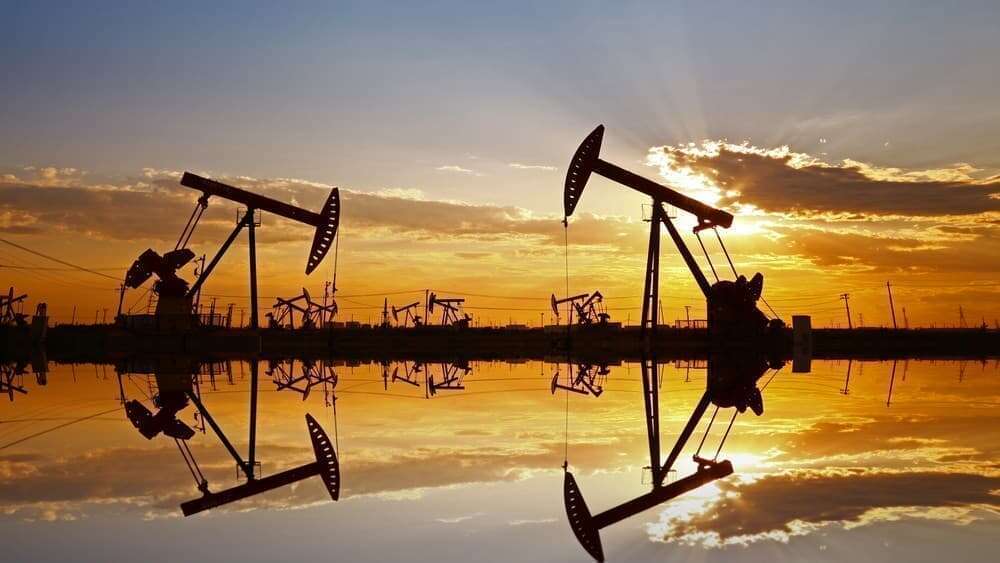
Global energy markets caught their breath on Tuesday as a temporary halt in direct strikes between Iran and Israel cooled crude prices from their recent volatile peaks.
The frantic energy trading seen earlier this week has subsided. Following appeals for restraint from US President Donald Trump, both Tehran and Tel Aviv have paused their direct military exchanges, providing a much-needed cooling effect on global energy markets. By 8 am IST on Tuesday, Brent crude had retreated by roughly 0.51% to trade at $93.77 a barrel, while WTI crude slipped 0.57% to $90.78.
This pullback comes as a relief after a white-knuckle Monday that saw oil prices surge by more than 5%. The conflict, now stretching past the 100-day mark, has kept energy traders on edge, with Brent crude up nearly 31% and WTI up 37% since the hostilities began. The volatility is a stark reminder of how fragile the supply chain has become, particularly with memories of April, when Brent prices spiked beyond $126 a barrel.
The shadow of the Strait of Hormuz
While the immediate shelling has stopped, the underlying risks to global supply remain entrenched. Tehran has made it clear that any enduring peace deal with Washington must account for the cessation of Israeli military operations in Lebanon, especially against Hezbollah. The Islamic Revolutionary Guard Corps’ rhetoric remains sharp, with warnings that strikes will resume if Israel continues its campaign against their regional proxies.
For the global economy, the primary concern is the potential for a blockade of the Strait of Hormuz. Before the recent escalation, this narrow waterway acted as the transit point for nearly one-fifth of the world’s daily oil and LNG shipments. Fears are mounting that any long-term restriction of this route would be catastrophic. Adding to the friction, Yemen’s Iran-aligned Houthis have threatened to ban ships linked to Israel from entering the Red Sea, effectively widening the theatre of potential supply disruptions.
Why it matters: The bigger picture
For India, which remains heavily dependent on crude imports to fuel its economic engine, this volatility is far from over. The global oil market is now caught in a cycle of "geopolitical risk premium"—where prices are driven as much by fear of future supply blockages as by actual inventory levels. Even with the current pause in direct fire, the involvement of regional proxies and the threat to critical maritime chokepoints like the Bab El-Mandeb Strait mean that energy costs will likely remain sensitive to every new headline.
The situation is a classic test for global diplomacy, where the alignment of US influence and regional security demands remains in flux. While the market is currently pricing in a "pause," the structural vulnerabilities in the Middle East suggest that any miscalculation could swiftly erase these modest gains, sending prices back toward the $100-plus territory that causes significant strain on India's current account deficit and inflation trajectory.
Ananya Iyer covers global affairs with an Indian lens for PoliticalPedia.